

The method of gathering information for reloading ammunition has been gradually evolving. Reloaders once had to acquire information from several separate resources. However, now there are platforms that can act as a central hub of information, combining load reference data with ballistic analysis in a much more practical way, making the overall process more efficient and easier to manage.
The Good And Bad Of Reloading Data
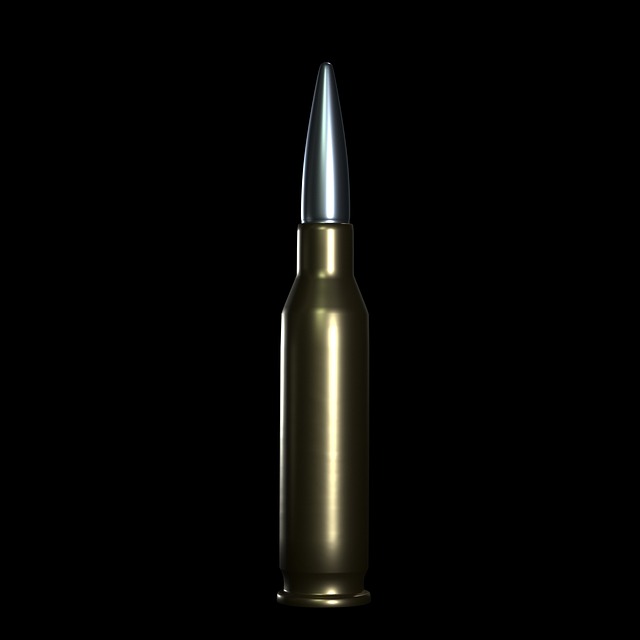
Traditionally, most reloaders depended on published load manuals from powder and bullet manufacturers. These manuals provided tested charge ranges for specific cartridges and projectiles, giving shooters a reliable starting point when building loads safely.
While these references remain extremely useful, they also come with limitations. In many cases, manufacturers only include their own powders or bullets, which means reloaders must compare data from multiple sources when exploring different component combinations.
Alongside printed data, ballistic simulation software became another important part of modern handloading. Programs such as QuickLOAD allowed users to estimate internal ballistic behavior, including pressure and velocity, before assembling rounds. The rise of this type of software
added a deeper level of precision to load development, especially for experienced shooters trying to optimize performance. However, simulation tools generally require the user to already know which bullet, cartridge, and powder combination they want to test. Some of these older programs also struggle to keep pace with newer components because database updates have become less frequent over time.



Quicker And More Efficient Data Collection
Newer reloading platforms are beginning to merge these two systems into a more connected workflow.
Newer digital platforms combine ballistic calculators and analysis tools that allow for cross-referencing of multiple types of powder and bullet manufacturing data.

Instead of searching load tables first and then manually entering information into external software, reloaders can move between both steps inside the same environment. Platforms like ApexLOAD PRO are designed around this idea, offering access to extensive load data together with built-in ballistic calculators that can immediately analyze selected combinations.
In practice, this saves time and reduces unnecessary steps during load development. A reloader can quickly review compatible powders and bullets, evaluate possible combinations, and then refine the load for a particular rifle or performance target without constantly switching between different tools. For experienced handloaders, this creates a faster and more flexible workflow, while newer users benefit from a simpler introduction to ballistic analysis and load optimization.
Yeah, fast… like a bullet.