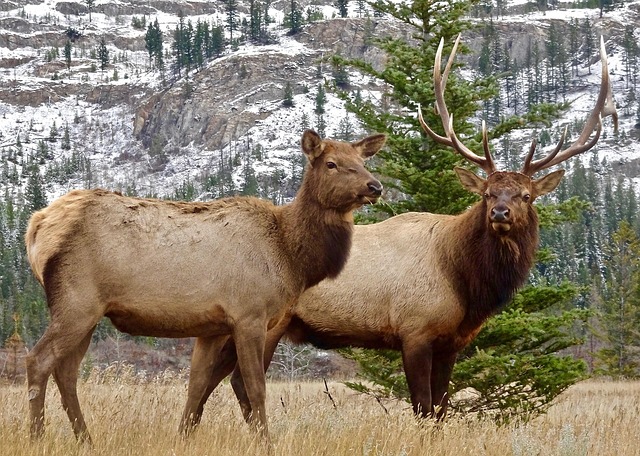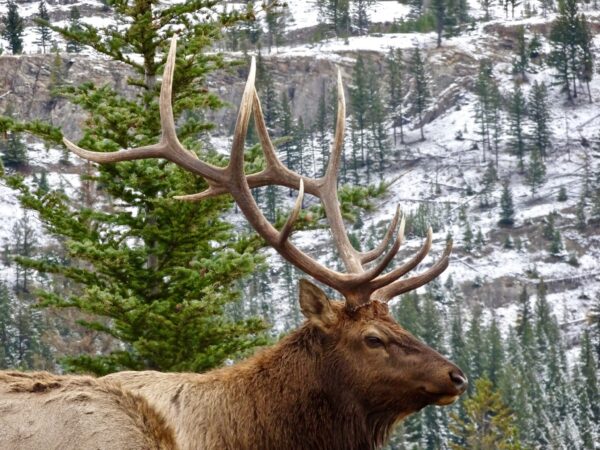
elk with snowy mountainside in background

Backcountry Ready: Hunting Fitness, Preparation and Recovery Framework That Keeps Hunters in the Field

Day three of a backcountry elk hunt is where most hunters find out the truth about how well they prepared. 

The first morning was adrenaline. The second day was determination. By the third morning, when the alarm goes off at 4:30 and the legs that climbed six thousand feet of elevation over the previous two days are registering their opinion about the situation, the gap between the hunter who prepared and the one who just showed up becomes visible in a way that no amount of willpower closes. 

The elk don’t care. The mountain doesn’t care. And the bull that’s working the ridge above camp is going to require another two miles of hard hiking to close the distance. 

Whether your body is ready to make that happen is a question you answered months ago.

backpack hunter looking in binos at dusk

The hunters who come home with elk meat in the cooler year after year are not the most naturally athletic ones. They are the ones who respected what the mountain requires and built themselves to meet it.

What the Mountain Actually Costs Physically

The muscular demands of backcountry hunting are specific in ways that general gym fitness does not fully address. Steep uphill hiking under a loaded pack recruits the posterior chain, hip flexors, and calf complex under sustained eccentric load in patterns that flat-ground running and standard strength training leave underprepared. 

The knee stabilizers absorb forces on steep descents that accumulate into significant fatigue over multi-day hunts. The shoulder and upper back musculature carries the pack weight continuously in ways that create a sustained postural demand no standard pressing or pulling exercise quite replicates.

Add the recovery demands of sleeping on the ground at altitude, where sleep quality is reduced and the temperature swings that cool nights produce keep the body working to maintain core temperature through the night, and the daily physical deficit that a serious backcountry elk hunter accumulates becomes significant. 

mountain in distance in winter

By day three or four of a hard hunt, the question of whether a hunter can close a stalk is not just a matter of hunting skill. It is a matter of physical reserve.

The pack-out after a successful kill represents the single most physically demanding component of an elk hunt for most hunters. Quartering and packing out a mature bull elk involves multiple loads of seventy to ninety pounds or more over the same terrain that was challenging to navigate unloaded

Hunters who have not prepared specifically for the strength and muscular endurance demands of a pack-out discover it in a way that is unforgettable. Those who have are the ones who make it out in reasonable shape and are ready to hunt again the following season.

Fueling the Hunt: Nutrition Before, During, and After

The nutritional demands of a physically demanding multi-day hunt substantially exceed what most hunters eat in their normal daily life, and the appetite suppression that altitude and sustained exertion produce means that the deficit between what the body needs and what the hunter actually consumes can be significant. 

The hunters who perform most consistently through day four and five of a hard hunt are the ones who make deliberate nutritional choices rather than relying on appetite to guide their intake.

Protein is the nutritional variable that matters most across a multi-day hunting trip. Muscle tissue stressed during sustained hiking, climbing, and packing weight is repaired during the night if adequate protein is available, and the quality of that repair determines how the body performs the following morning.

High-quality clean whey protein packs efficiently for backcountry trips, mixes with cold water, and provides the complete amino acid profile needed to support overnight muscle repair when the body is trying to recover from the day’s demands in time for the following morning’s hunt. A packet mixed into a water bottle after the evening camp tasks are done takes thirty seconds, and addresses the single most important nutritional input of the hunting day.

Caloric density matters on backcountry hunts where every pound of pack weight is deliberate. The most experienced backcountry hunters have their food strategy dialled in over years of trial and error: enough carbohydrates for daily energy output, adequate fat for sustained fuel during lower-intensity terrain coverage, and protein targeted specifically at the overnight repair process, rather than incidentally met through whatever happened to be in the food bag.

Planning the protein component of a backcountry food strategy as deliberately as the gear list is one of the habits that separates hunters who come out of a hard week ready to go again from those who need a full week of recovery.


What Research Shows About Protein and Prolonged Physical Demand

A study published in the Journal of Strength and Conditioning Research examining physical performance and protein intake in athletes undergoing sustained high-load physical activity found that those meeting elevated protein targets above 1.6 grams per kilogram of body weight daily showed significantly better preservation of lower body strength and power output across multi-day physical demand periods compared to those at standard intake levels. The researchers noted that the protective effect was most pronounced in the later days of sustained effort, with the performance gap between adequate and inadequate protein groups widening rather than staying constant across the testing period. 

For a backcountry hunter on day four of a hard elk hunt, this is precisely the window where physical reserve determines whether a stalk is executable or whether the body has nothing left to give.

The same research found that muscular damage markers were significantly lower in the higher protein group throughout the testing period, which translated to better functional recovery each morning. 

elk in the backcountry

MOXULE Pro 5000 Frame Backpack - Meat Hauler Pack with Rain Cover for Outdoor- Lightweight, Green
$309.99
Buy Now
We earn a commission if you make a purchase, at no additional cost to you.
07/09/2026 11:07 am GMT

Building Backcountry Fitness: What Actually Transfers

The most common mistake serious hunters make in their fitness preparation is doing too much of what feels like hunting fitness and not enough of what actually transfers.

Running is the most common choice, and it builds a cardiovascular base that helps, but it does not prepare the specific musculature and connective tissue that loaded hiking, steep descents, and pack-out demands place under stress. 

The hunters with the most consistently successful backcountry seasons build their fitness around weighted hiking, single-leg strength work, and posterior chain training that mirrors the actual demands of the mountain.

loaded backpack

Three to four weighted hikes per week in the three months before a season, combined with two weekly strength sessions targeting the posterior chain, produces the physical capability that day three and four of a hard hunt require.

montana mountains

Recovery at Camp and After the Season

Recovery during a multi-day hunt is a different challenge than recovery in a normal training context because the options are limited. The tools available in the field are: sleep quality, nutritional input, and whatever the hunter has chosen to pack. This is why the habits built at home in the weeks and months before the hunt matter for performance in the field. A hunter whose body is adapted to deliberate recovery inputs produces better results from the limited recovery available at camp than one whose body is not.

Post-season recovery is where most hunters underinvest. A hard week of backcountry elk hunting, culminating in a pack-out, is a genuine physical event that leaves the body requiring meaningful recovery time before the next demanding physical undertaking. The connective tissue stress of sustained hiking under load, the muscular fatigue of a full pack-out, and the accumulated sleep deficit of a week at altitude all require deliberate recovery inputs to resolve completely.

Hyperbaric oxygen therapy has a specific evidence base for the recovery of soft tissue stress from sustained physical load in outdoor and athletic contexts. The pressurised oxygen environment supports cellular repair in muscle and connective tissue at a rate that standard rest cannot replicate, which matters for hunters who want to process what the season demanded from the body and return to full physical readiness for the following year. A personal hyperbaric chamber brings this recovery capability into the home environment, allowing serious hunters to run post-season recovery protocols without clinic scheduling or travel. For hunters who take their preparation as seriously as their hunting, it is a natural extension of the same investment in being physically capable of meeting what the mountain demands.


Boost Oxygen Large Natural 10 Liter Canister | Respiratory Support for Aerobic Recovery, Altitude, Performance and Health (3 Pack)
$47.91
Buy Now
We earn a commission if you make a purchase, at no additional cost to you.
07/09/2026 11:08 am GMT

The Hunt Starts Now

The elk season that delivers what you have been planning for opens on a date months from now. The physical condition you bring to that opening morning is being built or neglected in the decisions you make between now and then. 

The hunters who are still moving well, thinking clearly, and executing on day five of a hard backcountry hunt did not get there by simply hoping they would hold up. They prepared specifically, fuelled deliberately, and recovered intentionally across the months that preceded the season.

elk calling in a bog

The best elk hunters are not the most naturally gifted athletes. They are the ones who took the physical side of hunting as seriously as the scouting, the shooting practice, and the gear selection. 

Treating preparation and recovery as part of the hunt rather than as a separate lifestyle consideration is what separates the hunters who consistently fill tags from the ones who run out of physical reserve before the opportunity arrives.

Prepare well, and hunt safely!
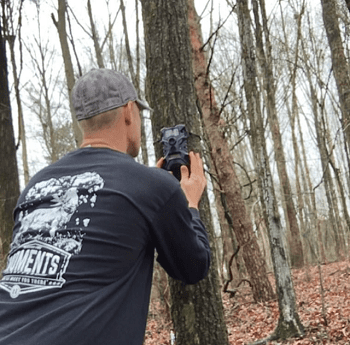
 

man mounting a trail camera to a tree

Too Much Information? | How Often Should You Check Your Trail Cameras? 

One of the most common questions new hunters ask is, “How often should I check my trail cameras?”

Some hunters check their cameras every few days because they don’t want to miss new activity. Others leave cameras alone for weeks to avoid disturbing deer and other game animals. Both approaches can work under the right circumstances, but neither tells the whole story.

The real goal isn’t simply deciding how often to visit your cameras, but rather collecting useful information while causing as little disturbance as possible.

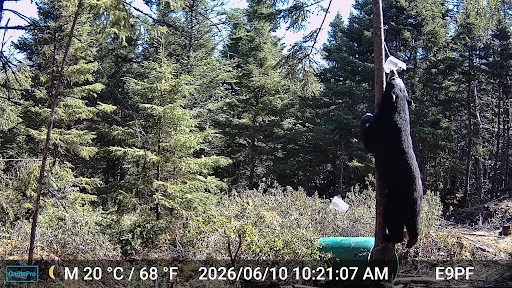
bear trail camera pic

Why Checking Too Often Can Work Against You

Every visit to a trail camera leaves behind more than footprints.

Walking through bedding areas, driving an ATV down access roads, opening camera housings, trimming branches, and simply spending time in the area all introduce noise, scent, and disturbance. Mature bucks may not abandon a property after a single visit, but repeated human activity can gradually influence where and when they move.

This is especially true during the weeks leading up to hunting season, when deer have established relatively predictable summer patterns. Frequent visits can unintentionally change the very behavior you’re trying to observe.

For this reason, many experienced hunters try to gather as much information as possible while making as few trips into the woods as practical.

There Isn’t One Perfect Schedule

The ideal checking frequency depends largely on why the trail camera is there in the first place.

If you’re monitoring a mineral site or food plot during the summer, checking every two to four weeks is often enough. Deer movement tends to be fairly consistent during this period, and there’s usually little benefit to disturbing the area every weekend.

As the season approaches, many hunters become tempted to check cameras more frequently. While changing deer patterns certainly make fresh information valuable, excessive visits can also increase hunting pressure before opening day. Finding a balance between collecting current information and preserving natural deer movement is often more important than following a fixed schedule.

During the rut, deer movement becomes much less predictable. Some hunters increase the frequency of reviewing new images during this period, while others rely on remote image transmission to stay informed without repeatedly entering the property.

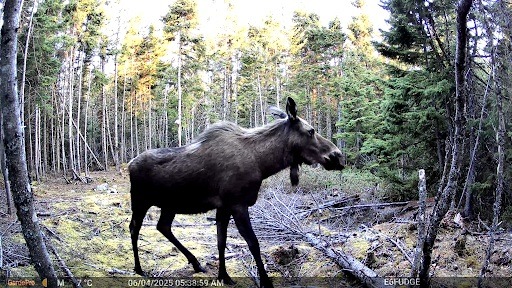
moose trail cam pic

“Checking” a Trail Camera Doesn’t Always Mean Visiting It

Ten years ago, checking a trail camera almost always meant walking into the woods, removing an SD card from your trail camera, and reviewing photos back at home.

Today, that definition has changed.

Traditional trail cameras still require physical visits to retrieve images. They remain an excellent choice for many hunting situations because of their simplicity, long battery life, and affordable cost.

Wi-Fi trail cameras make the process more convenient by allowing hunters to connect directly to the camera with a smartphone when standing nearby. Instead of removing the SD card, users can preview images, adjust settings, and download photos wirelessly.

Cellular trail cameras go one step further by transmitting images through the mobile network, allowing hunters to review new activity without visiting the camera at all. This significantly reduces unnecessary trips into the woods, especially for cameras placed in sensitive locations where minimizing human presence is part of the overall hunting strategy.

As camera technology has evolved, “checking your trail camera” has become less about physically visiting the tree where the camera is mounted and more about accessing the information it collects.

The Hidden Problem: Reviewing Thousands of Photos

Reducing trips into the field solves only part of the problem.

Eventually, every hunter still has to review the images.

After several weeks in the woods, it’s not unusual for a trail camera to capture thousands of photos. Many of them are valuable. Many are not.

Changing sunlight, moving branches, blowing grass, squirrels, raccoons, and countless other triggers can fill an SD card with images that provide little useful information. Even if the camera successfully captured the deer you were hoping to see, finding those few important photos can take far longer than expected.

Ironically, many hunters spend more time sorting images at home than they spend checking the cameras themselves.

AI Is Changing How Hunters Review Trail Camera Photos

This is one area where recent trail camera technology has made a genuinely practical improvement.

For example, cameras like the GardePro X66 Pro Max AI Camera introduce AI Tags that automatically categorize captured images. Instead of scrolling through thousands of files one by one, hunters can filter photos by species with a single tap, making it much easier to locate deer, turkey, or other wildlife.

The benefit isn’t simply convenience.

If you’ve allowed your trail cameras to remain undisturbed for several weeks, the amount of information waiting for you can be overwhelming. AI-assisted organization helps transform that large collection of images into something that can be reviewed quickly, making every camera check far more productive.

Instead of encouraging hunters to visit their cameras more often, this technology helps them gain more value from each visit.

Smarter Uploads Can Reduce Unnecessary Notifications

Another recent development addresses a different frustration.

Cellular trail cameras make it possible to review images remotely, but anyone who has used one extensively knows that not every notification is worth opening.

Wind moving through tall grass, shifting shadows, or vegetation passing in front of the sensor can generate hundreds of empty photos over the course of a week. Besides filling your gallery, these unnecessary uploads also consume battery power and cellular data.

Features such as Smart Capture, available on cameras like the aforementioned GardePro X66 Pro Max, allow hunters to choose which types of photos should actually be uploaded through the cellular network. Images that don’t contain the target species can remain stored on the SD card while only meaningful captures are transmitted to the app.

The result is a cleaner gallery, fewer unnecessary notifications, and more efficient use of cellular data.

Most importantly, when you open your app to “check your cameras,” you’re spending more time looking at useful wildlife activity and less time deleting empty frames.

So, How Often Should You Check Your Trail Cameras?

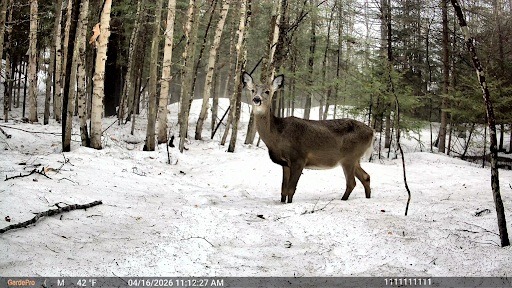
doe in snow trailcam pic

There isn’t a single answer that applies to every hunter or every property.

Regardless of the camera you choose, the objective remains the same: collect useful information while interfering with wildlife as little as possible.

Modern features such as live image access, AI-assisted photo organization, and intelligent upload filtering don’t necessarily change how often you need to check your trail cameras. What they do change is how efficiently you can use the information once it’s available.

Frequency Is Not The Goal

Hunters often focus on how frequently they should check their trail cameras, but frequency is only part of the equation.

A better question is whether each check provides meaningful information.

By limiting unnecessary visits, allowing deer to behave naturally, and taking advantage of technologies that simplify image management, hunters can spend less time managing cameras and more time understanding wildlife movement.

Whether you’re reviewing an SD card after several weeks in the field or opening an app to see the latest activity from a cellular camera, make every camera check count!


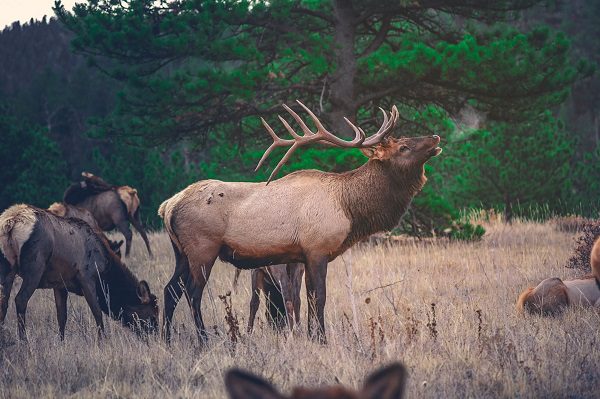
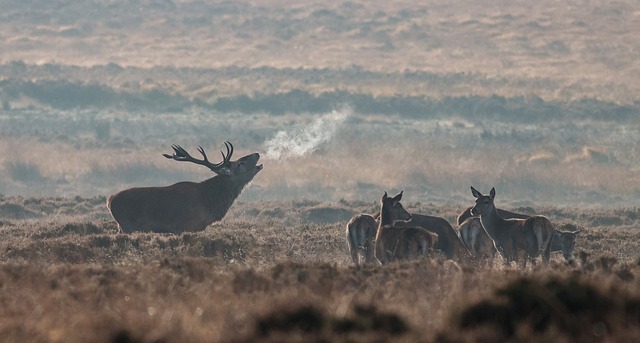
bull elk bugling with cow elk

Elk Hunting Pack List: Essential Gear for Day Hunts and Backcountry Expeditions

Elk hunting in America, especially in the American West, demands far more preparation than a typical North American deer hunt. 

Unlike other types of deer, an elk hunt typically entails trekking through rugged backcountry, weathering unpredictable conditions, and lugging heavy loads. 

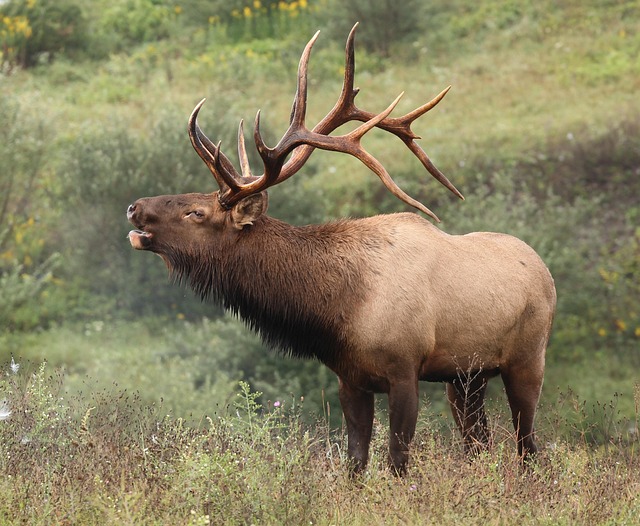
elk bugling in meadow

Whether you’re just heading out for a day hunt or embarking on a multi-day expedition, your gear and preparation can make or break you. 

For that reason, we thought it crucial to outline some of the basics and essential equipment every elk hunter needs, as well as some of the preparation and gear you might have never even thought of. 

Elk Hunting Pack List And Gear Essentials (Day/Short Hunts)

On the simpler side of things, day hunts will usually kick off before dawn and may not come to an end until well after dark. 

Even though you’re not overnighting, elk country is vast, remote, and often brutal, so packing smart is key. 

A 1,500–3,000 cubic inch daypack with load lifters and a solid hip belt is a great starting place. Many frame-style daypacks can also haul a quarter if needed, giving you the meat-hauling capacity you need, even on a single-day hunt.


Layering is Critical 

Starting at your base layer, wear a moisture-wicking base followed by an insulating mid-layer like fleece or a puffy, and then finish with a waterproof, breathable shell. 

Mountain weather changes quickly, and you will find yourself in the mountains for most elk hunts, so always bring rain gear, even if it appears to be a clear day. 

A beanie or brimmed hat, light gloves, and extra socks are also highly recommended. Now, when it comes to regulations, some states require rifle hunters to wear blaze orange, at minimum a vest and hat over your camo.


N1 Outdoors hunting hats!


Footwear Matters, A Lot

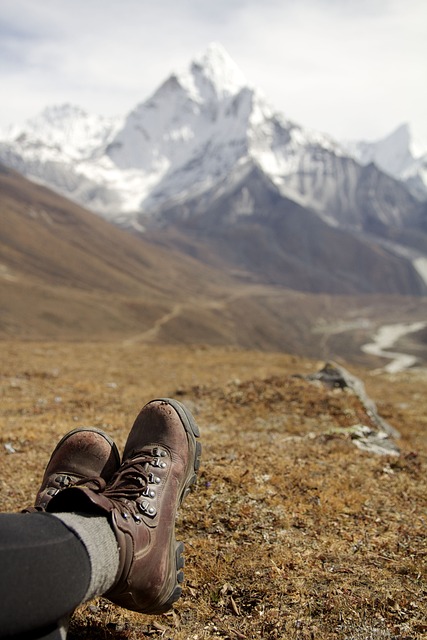
On an elk hunt, hiking boots matter… a lot!

It is far easier to wear broken-in boots that are waterproof and that have ankle support. Do what you can to avoid breaking in new boots on an elk hunt. 

You can also pair your broken-in boots with some warm wool or synthetic socks, just make sure to always pack a second pair. Trust us, it’s better to carry an extra pair back with you than to be stuck trying to hike with soaked socks if push comes to shove.

hiking boots with mountain background


Athletic Moleskin for Blister Prevention (408 sq in) Ultra Thin Foot Protection Tape Super Adhesive Mole Skin Tape
$19.98
Buy Now
We earn a commission if you make a purchase, at no additional cost to you.
07/09/2026 01:03 pm GMT

Navigational Needs 

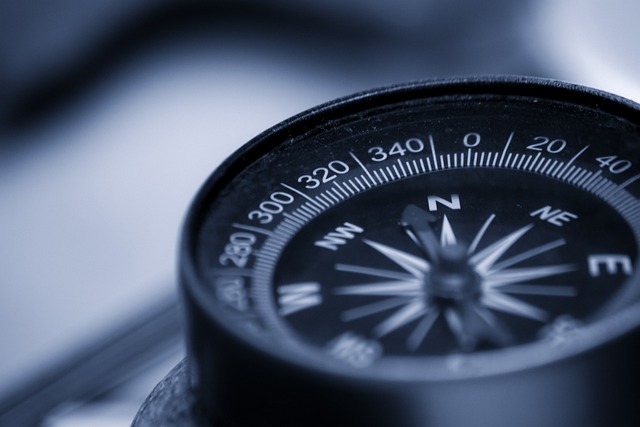
Bring a GPS or smartphone mapping app (with offline maps), plus a topo map and compass. If you are out on a guided elk hunt with an outfitter, there is a good chance they will have this covered.

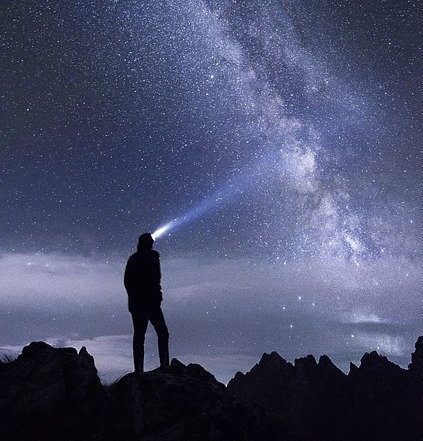
A headlamp is another non-negotiable piece of gear for hikes in and out in the dark, so just make sure to carry spare batteries. Beyond extra batteries, there is a wide array of emergency gear that you should include, such as a fire starter, a small emergency blanket, and a basic first aid kit with personal meds.

Optics Can Make or Break You

Add chest-mounted 8x or 10x binoculars to your elk hunting pack list so you can constantly scan, especially in areas of thick timber. 

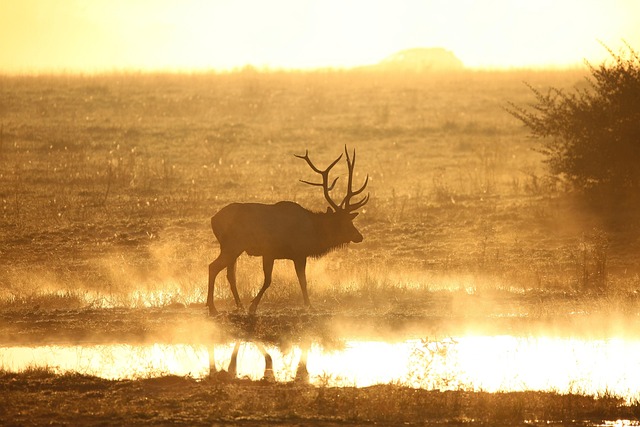
elk at water hole sunrise

A rangefinder is also extremely helpful, as elk may look closer than they are across canyons or open hillsides. This is especially true for bowhunters who rely on precise yardage. A lens cloth is also a plus.


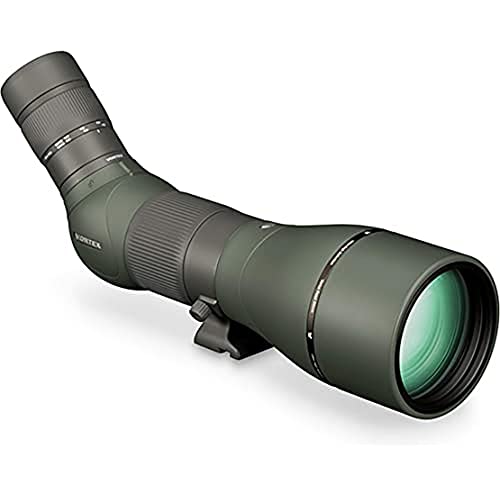
Vortex Optics Razor HD Spotting Scope 27-60x85 Angled
$1,699.00
Buy Now
We earn a commission if you make a purchase, at no additional cost to you.
07/10/2026 08:01 am GMT


Locked and Loaded

If you’re rifle hunting, be sure to clean and zero your firearm before the trip. Any time spent on the hunt prepping your rifle is time lost hunting elk. Just in case, pack a multi-tool or Allen wrench for field repairs.

Extra ammo or arrows are another obvious must-have. While it goes without saying for bow hunters, rifle hunters can also benefit from elk calls, so it can’t hurt to pack one.

Mind the Wind

Do your best to start with clean, unscented gear and make an effort to control scent in the field, elk have an amazing sense of smell.

More importantly, play the wind. A small chalk-based wind checker or milkweed fluff are perfect for reading air currents. At the end of the day, staying downwind is more important than any scent eliminator.

Processing gear 

Don’t short yourself when it comes to processing gear:

  • Sharp knife (or two, replaceable knife types are popular for processing)
  • Knife sharpener
  • Gloves
  • Game bags
  • Paracord
  • Tarp or contractor bag (to keep meat clean) 

If you prefer traditional field dressing, add a bone saw or small hatchet, but the gutless method saves weight. 

Also, don’t forget zip ties or tape and a pen to attach your tag per state law.


Food and Hydration

water hydration during elk hunts

A hydration bladder is your best bet when it comes to saving space and weight.

In dry zones, a compact filter or purification tablets are a great backup that can save your hunt. 

Eat before heading out and pack light snacks like, trail mix, nuts, and energy bars. Even things like deer jerky, freeze-dried meals and MRI-style meals are great for longer sits, just again, mind the smell. Electrolyte packets are another nice touch to help replace salts lost on big climbs.

Finish Your Kit 

Some miscellaneous gear you should keep in mind is toilet paper in a zip bag, emergency duct tape (wrapped around a water bottle or trekking pole), and extra waterproof storage for your license and tags.

 In bear country, bear spray is always a plus, as it can often be more effective than a sidearm. 

Some hunters use trekking poles, which can save your knees on steep descents or when hauling meat, but this is not very common.


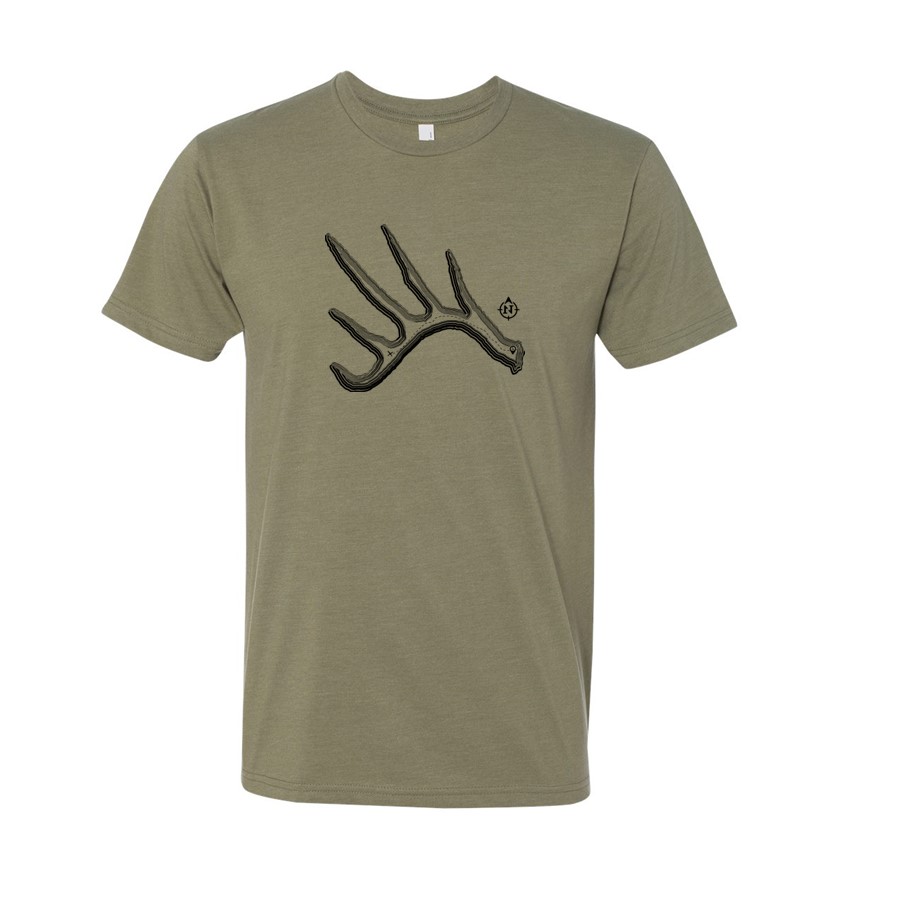
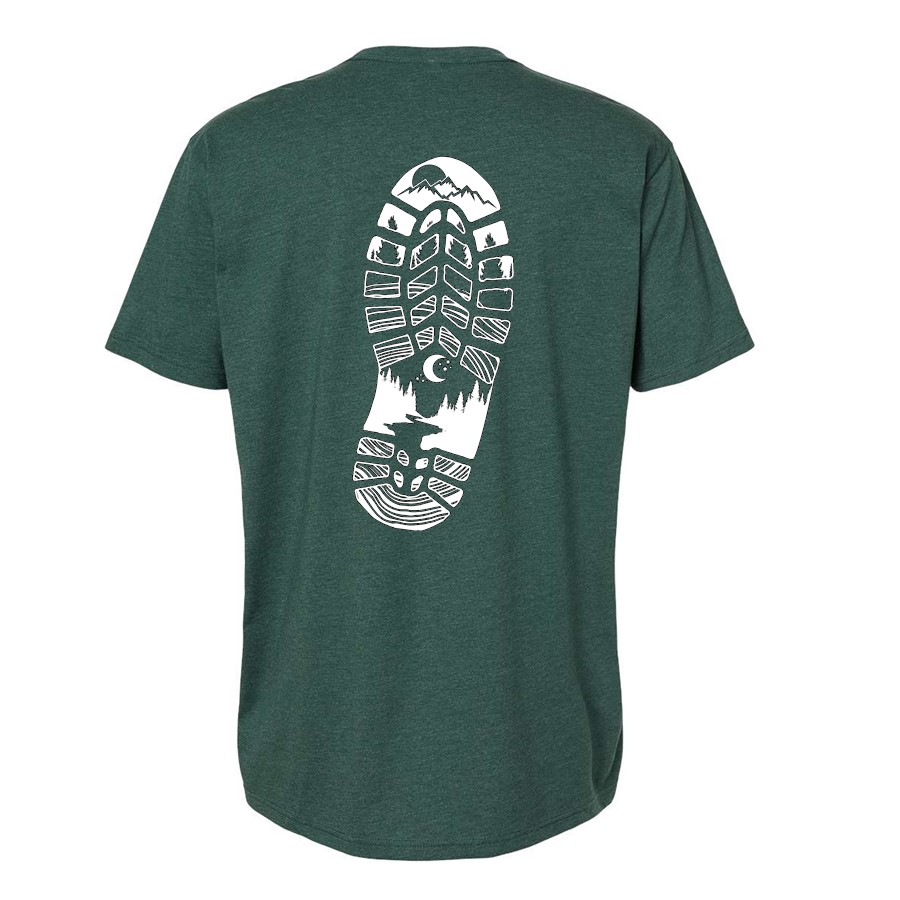
Hunting Tees from N1 Outdoors


Elk Hunting Pack List And Multi-Day Backcountry Gear (Extended Hunts)

If a day hunt is the equivalent of a long hike, a multi-day elk hunt is like a full-blown camping trip

Multi-day elk hunts call for all of the same gear as a day-hunt, plus everything you need to survive for several days in the backcountry. 

You’ll be hiking miles from any road, so self-reliance is critical. You’ll likely need a 4,000–7,000 cubic-inch internal or external frame pack with a strong meat shelf. 

Make sure you know how to cinch loads and practice packing quarters as well. You’ll need to keep your total pack weight below one-third of your body weight, usually around 40–60 pounds, so that you’re not completely burned out before the hunt even begins.

Shelter Options 

A multi-day hunt calls for either a one or two-person tent, bivy sacks, or hammocks (with a rainfly). 

Make sure to bring a setup with strong weather protection. A ground tarp is also a must-have to protect your tent floor and to use as a dry surface for gear or meat processing. 

The best practice for sleeping bags is being rated at least 10°F colder than the lowest expected temps, as mountain nights can fluctuate heavily and drop below freezing, even in early Fall. 

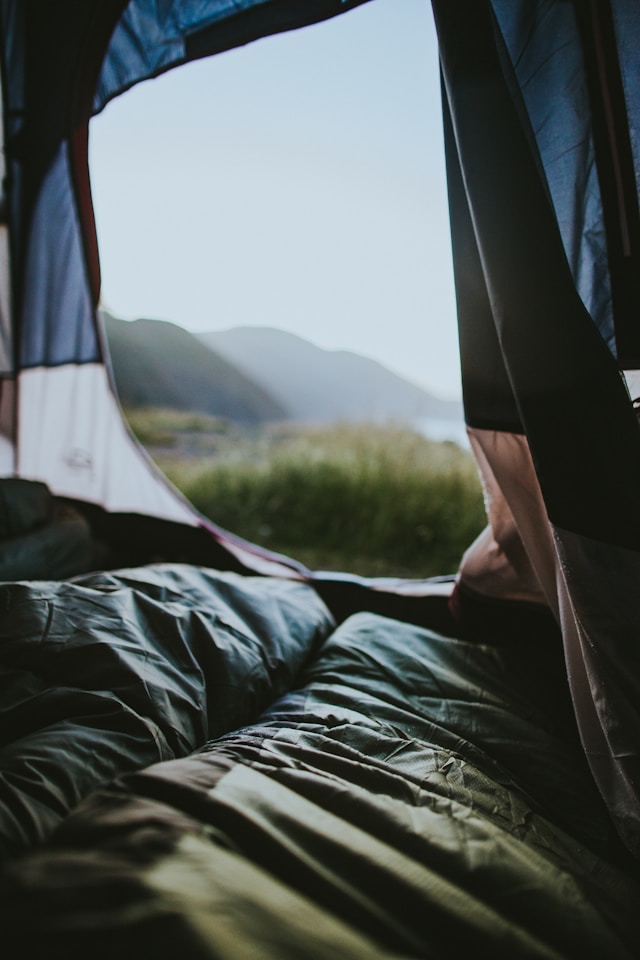
sleeping bags

Whichever you go with, an insulated sleeping pad is a great addition to keep warm in your tent and off the cold ground.

Modular Clothing

Be prepared to wear your main hunting outfit for several days. Make sure to also pack:

  • An extra set of underwear
  • An extra set of base layers
  • Additional socks
  • A second insulating layer (if in a region where conditions might turn frigid)
  • Rain gear (especially in the rainier seasons) 

In early archery seasons, sun protection is another essential, so use UPF-rated clothing and sunscreen

Lastly, camp shoes are a huge plus to let your feet breathe after a long day in boots.

Planned Meals

Pre-packed and labeled food in zip or vacuum sealed bags is best. 

Freeze-dried dinners are great because they are lightweight, nutritious, and only require boiling water. Good breakfast options might be oatmeal, granola, or just energy bars. 

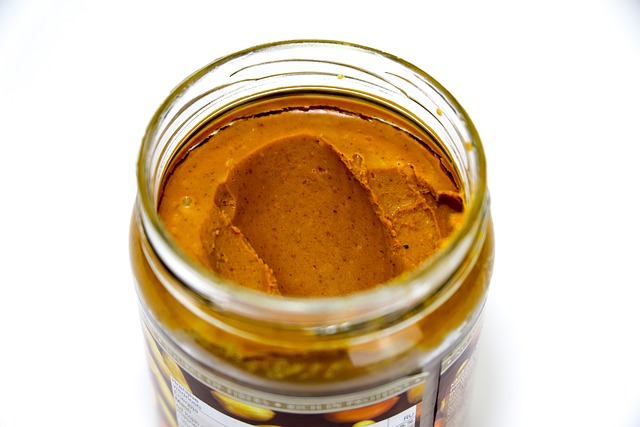
peanut butter

Aim high for 3,000–4,500 calories per day, you’ll be pushing yourself on the hunt. 

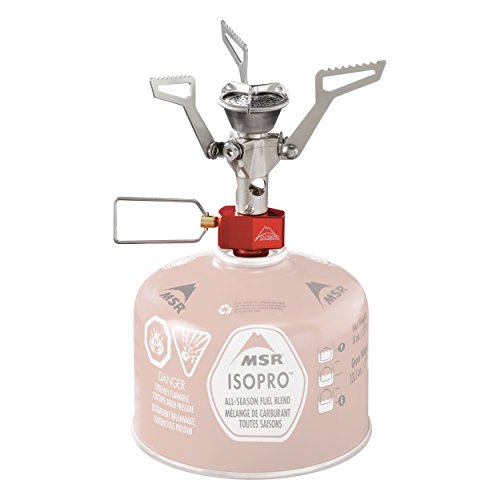
A compact canister stove, fuel, titanium pot, lighter, long spoon, and insulated mug cover should cover just about everything else you need, and unless you’re crazy, some instant coffee or energy drink mixes are a must-have.


MSR PocketRocket 2 Ultralight Camping and Backpacking Stove
$49.95
Buy Now
We earn a commission if you make a purchase, at no additional cost to you.
07/10/2026 08:02 am GMT

Hydration is Critical

Locate reliable water sources like creeks or springs using maps or GPS apps. 

Use a pump, gravity, or squeeze filter, and always carry tablets as backup. Store 3–4 liters in camp and 2+ liters when you’re on the move. 

Camel up. Drink a full liter before leaving a water source to lighten your load. In late-season hunts, make sure to keep freezing risks in mind with bladders, in which case bottles may be the better option.

Navigation and Communication

GPS and communication become far more important when spending several days in the backcountry. 

compass

Keep in mind that cold kills batteries fast, so keep electronics close to your body at night. A satellite messenger like a Garmin inReach can also send SOS signals and text family from anywhere in case of emergency. 

Radios are also helpful for in-field communication with hunting partners to better coordinate stalks and to stay safe.


Garmin inReach Mini 2, Lightweight and Compact Satellite Communicator, Hiking Handheld, Orange - 010-02602-00
$319.99
Buy Now
We earn a commission if you make a purchase, at no additional cost to you.
07/09/2026 01:01 pm GMT

Fire Essentials 

Waterproof matches, a lighter, and fire cubes or magnesium strikers are all perfect as backup firestarters. Another situation you do not want to find yourself in is being stuck at camp without a way to start a fire.

Extended First Aid Kit 

Your kit needs to cover more than just cuts: 

  • Ibuprofen
  • Allergy pills
  • Anti-diarrheal tablets
  • Antibiotic ointment
  • Gauze
  • Medical Tape
  • Blister care. 

Also include any personal medications (split between your pack and pocket). Safety pins and zip ties, while strange, can be extremely useful for gear and medical fixes.


Preserving Your Elk Meat

Hang your game bags in shaded areas with good airflow, and keep them off the ground. 

Prioritize loins and quarters if warm weather limits how much you can pack. If possible, you might need to make more than one trip, so don’t try to carry everything at once. 

Just work with your group to hoist the packs and mark any meat caches with GPS and flagging tape.


Miscellaneous Camp Items 

While keeping pack weight down is a must, there are some miscellaneous camp items that just make life easier.

man looking toward the sky with headlamp

A trowel is also great for waste disposal unless you’re using WAG bags. Other hygiene products like wipes, toothbrush, toothpaste, and a tiny bottle of biodegradable soap can make all the difference as well. 

Just make sure to store toiletries and food well away from camp, preferably hung up, to avoid any unwanted visitors in the middle of the night.

Advanced Extras

Beyond what we’ve covered, you can always bring a GPS watch to track your elevation, time, and distance into the hunt, all of which help pace and mark spots. 

For long glassing sessions, consider a spotting scope and tripod, but only bring it if you’ll actually use it. Every ounce counts when out in the backcountry.


Hunt Smart, Pack Smarter

Your pack list and gear prep shouldn’t be about packing as much as you can, but rather making sure you’re ready for everything from early-morning hikes to hauling meat at dusk with the least amount of gear possible. 

elk bull with cow at base of mountains

Use this information as a baseline and refine it based on your exact hunt, as no two trips are the same.

As you become a seasoned elk hunter, each trip will teach you what works and what doesn’t. What matters is that you stay safe and enjoy the grind. 

There are very few things that match the feeling of bringing home a trophy elk after days of hard-earned effort, so give yourself the best shot you can and prepare yourself for the hunt the best you can!