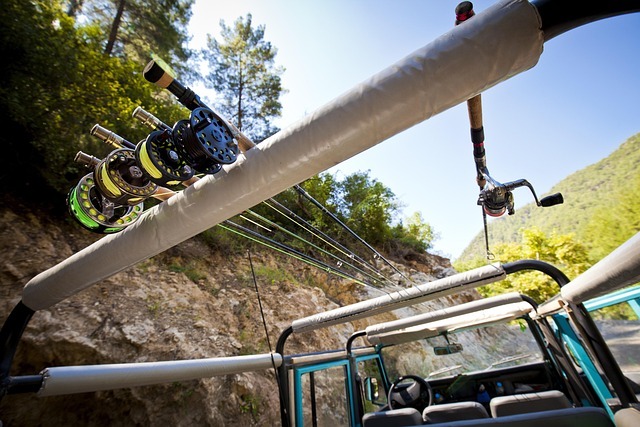
fly rods on top of jeep

Best Fly Fishing Gear for Beginners: Summer Season Essentials

For anyone picking up a fly rod for the first time, Summer removes a lot of the usual guesswork. Warmer conditions keep the setup simple. Longer days leave more room to practice, and frequent surface activity makes it easier to see what’s working.

Southerners don’t have to look far — the Southern Appalachians, from north Georgia through western North Carolina and into Tennessee, offer some of the best beginner trout water in the country, with wild brook trout streams and stocked tailwaters within a few hours of most major cities in the region.

From there to the Rockies, July and August deliver the classic dry-fly scene people picture when they think about the sport: trout sipping insects off the surface while you stand in a river that looks like it belongs on a postcard.

holding cutthroat trout

The Core Setup: Rod, Reel, and Line

Every fly fishing setup starts with three components that work together as a system: the rod, the reel, and the line. Get them matched correctly and casting becomes significantly easier to learn.

The 5-Weight Rod

For summer trout fishing across most of North America, a 5-weight rod between 8’6″ and 9′ handles the vast majority of situations a beginner will encounter. The “5-weight” designation refers to the line weight the rod is designed to cast—more on that in a moment. Nine feet has become the standard length because it provides enough reach for most casting situations without being unwieldy for someone still learning the mechanics.

Modern entry-level graphite rods perform remarkably well. Most come as four-piece designs that break down for easy transport and storage—perfect for the trunk of a car or checked luggage.

two men casting fly fishing


The Reel

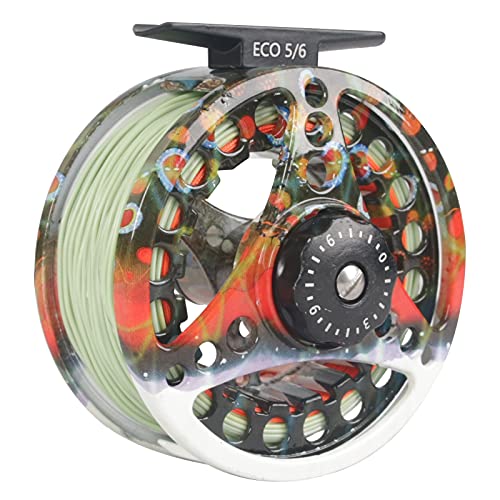
For most beginner trout fishing situations, the reel primarily functions as a line holder, which means beginners don’t need to overthink this component. Any mid-arbor or large-arbor reel in the appropriate weight range (a 5-weight rod pairs with a size 5/6 reel) will do the job. Look for models with a disc drag system rather than a click-and-pawl—disc drags are smoother and easier to adjust.

Quality has improved dramatically at every price point. Reels that cost $100 to $150 now feature sealed drags and machined aluminum construction that used to be reserved for premium models. With basic care, they’ll provide reliable performance for years to come.

The Fly Line

This is where beginners often go wrong, and it’s the most important component for learning to cast well. The fly line does the work in fly fishing—its weight loads the rod and carries the nearly weightless fly to the target. A mismatched or low-quality line makes everything harder.
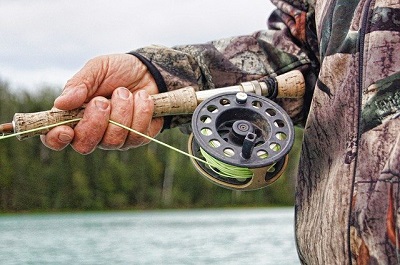
fisherman holding fly rod and reel

Budget lines work fine for practicing in the yard, but stepping up to a mid-tier line ($90-$130 range) from manufacturers like Rio or Scientific Anglers makes an enormous difference in how smoothly the line shoots through the guides and how it behaves on the water. The upgrade pays for itself in reduced frustration during the learning curve.


MAVRK Enduro Fly Fishing Reel | All-Purpose Trout Reel for Dry Fly & Indicator Nymphing | Smooth Drag | CNC Machined
$200.00
Buy Now
We earn a commission if you make a purchase, at no additional cost to you.
06/16/2026 09:40 am GMT

Flies: What Actually Works in Summer

Fly selection intimidates beginners more than it should. Walk into any fly shop and you’ll see thousands of patterns in bins organized by categories that mean nothing if you’re new. The reality: a dozen patterns cover 90% of summer trout fishing situations.

Dry Flies for Surface Action
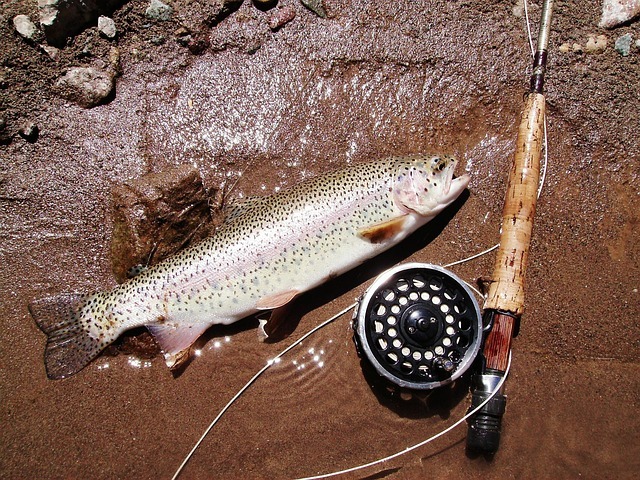
rainbow trout and fly fishing rod

Start with these patterns in multiple sizes:

– Parachute Adams (sizes 14-18): imitates a wide range of mayflies

– Elk Hair Caddis (sizes 14-18): the universal caddis pattern

– Chubby Chernobyl or similar foam hopper (sizes 10-14): for grasshopper season

– Parachute Ant (sizes 14-18): simple, effective, and trout love them

The “parachute” style (with a visible white post) makes these flies easy to track on the water—critical for beginners who struggle to see their fly amid the surface texture and glare.

Nymphs for Below the Surface

Trout do most of their feeding below the surface, even during summer. Nymphs imitate the immature stages of aquatic insects drifting in the current. They’re less visually exciting than dry flies, but they catch more fish.

Core nymph patterns:

– Pheasant Tail (sizes 14-18): imitates mayfly nymphs

– Copper John (sizes 14-18): heavy, sinks fast, catches fish everywhere

– Prince Nymph (sizes 14-16): classic general-purpose pattern

– Zebra Midge (sizes 18-20): small but deadly when trout are selective


Streamers for Aggressive Fish

Streamers imitate baitfish, leeches, and other larger prey. They’re fished with an active retrieve (short strips of line) rather than a dead drift. Streamers catch bigger fish and work well in faster water where nymphs and dry flies are harder to manage.

Beginner-friendly streamers:

– Woolly Bugger (sizes 6-10) in black, olive, or brown

– Zonker (sizes 6-10): rabbit fur creates lifelike movement

– Muddler Minnow (sizes 6-10): classic sculpin imitation

Buy flies in multiples. Losing flies to trees, rocks, and fish is part of the learning process. Having three of each pattern means you’re not sidelined the first time a trout breaks off your best producer.

Leaders and Tippet: The Invisible Connection

Leaders and tippet connect the fly line to the fly. They’re tapered (thicker at the fly line end, thinner at the fly) to transfer casting energy efficiently and make the final presentation look natural to the fish.

Leaders come in various lengths and taper designs. For summer trout fishing, a 9-foot leader tapered to 4X or 5X handles most situations. Buy pre-made knotless leaders to start—they’re inexpensive and eliminate one variable while learning.

Tippet is the section you tie to the end of the leader to replace what’s lost as you change flies throughout the day. A spool each of 4X, 5X, and 6X tippet covers the range from larger dry flies (4X) down to smaller nymphs and midges (5X, 6X). If you plan to fish streamers, add a spool of 2X — streamers attract bigger, more aggressive fish and are cast with more force, so the lighter stuff will let you down.


RIO Products Fly Fishing Tippet Head Gate, 2X, 3X, 4X, 5X, 6X Powerflex Tippet, 30 Yard Spools, Clear
$44.99
Buy Now
We earn a commission if you make a purchase, at no additional cost to you.
06/16/2026 09:42 am GMT

Essential Accessories

A handful of small tools and accessories makes the difference between a smooth day and a frustrating one.

Nippers

A pair of small scissors or nippers cuts tippet and trimming tag ends from knots. The ones that clip onto a zinger or retractor (so they’re always accessible) are worth the extra few dollars.

Forceps or Hemostats

hemostats and trout

Floatant

Dry fly floatant keeps flies riding high on the surface. Gel or paste formulations work better than liquids for beginners. Apply it before the fly hits the water, not after it’s already waterlogged.

Strike Indicators

These visible markers suspend nymphs at the right depth and signal when a fish takes the fly. Yarn indicators are easy to adjust and gentle on leaders. Many beginners fish nymphs under an indicator all day and catch plenty of trout while they’re still learning dry-fly presentation.

Fly Box

fly box with lures

Tippet Holder

A simple tippet holder keeps multiple spools organized and accessible. Models that attach to a vest or pack eliminate the “which spool is which” fumbling mid-stream.
Clothing and Wading Gear

Summer fishing means lighter gear and more clothing options than any other season. The essentials still matter, though.

Waders and Boots

Lightweight stockingfoot waders paired with wading boots give access to more water and keep you fishing all day comfortably. Breathable waders have replaced neoprene for warm-weather fishing—they’re cooler, lighter, and dry faster.

For true summer conditions, wet wading (shorts or convertible pants with wading boots) works perfectly. The water is warm enough that getting wet doesn’t matter. Purpose-built wet wading shoes with quick-drying uppers and rubber soles or legally permitted felt soles provide traction without the bulk of full wading boots.

Sun Protection

A wide-brimmed hat, long-sleeve sun shirt with UPF rating, and polarized sunglasses are non-negotiable. Trout water is exposed, and the summer sun reflected off the water compounds UV exposure. Polarized lenses also let you see into the water to spot fish, structure, and wading hazards.

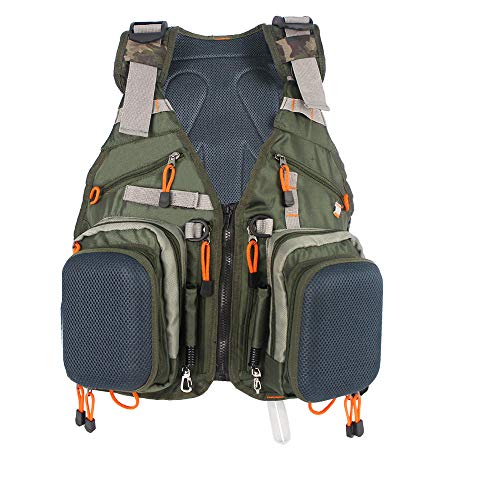
Fishing Vest or Pack
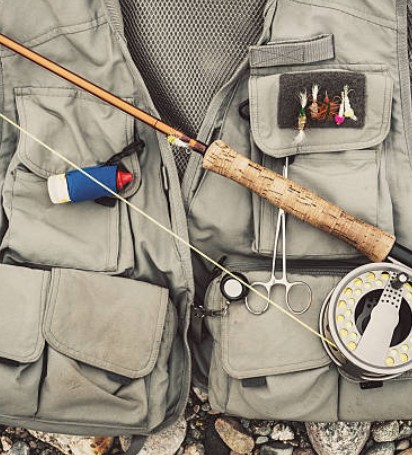
fishing vest

Where to Fish: Finding Water Near You

Every state fisheries agency maintains online resources showing public access points for rivers and lakes. Many states also stock trout in easily accessible urban waters during the summer months specifically to provide opportunities for new anglers.

Look for:

– Designated public fishing areas with parking and clear access

– Rivers or streams with fishable water within walking distance of the parking area

– Water that doesn’t require wading across private land to reach

– Spots where you can see other anglers fishing (not to crowd them, but to confirm you’re in the right place)

Local fly shops—if you have one nearby—maintain fishing reports and can point you toward beginner-friendly water. Most shops appreciate someone walking in and asking “I’m brand new, where can I catch my first trout?” That question makes their job easier than trying to help the person who pretends to know more than they do.

Why Summer Simplifies the Starter Kit

For beginners, summer removes a lot of the usual guesswork from fly fishing. Warmer conditions mean new anglers can keep the setup simple, spend more time practicing, and focus on learning how the rod, line, leader, and fly work together.

Summer is the ideal time to build a first kit around practical essentials rather than specialty gear. The right starter setup should help a beginner get on the water, cast comfortably, match common seasonal conditions, and avoid buying equipment they do not actually need yet.

Final Thoughts: Just Start

Perfect knowledge doesn’t exist. Perfect gear doesn’t exist. Perfect conditions don’t exist. What exists is water with fish in it and a summer season that won’t last forever.

Buy the basics. Learn the fundamentals. Drive to the nearest trout stream with public access. Rig up the rod and just start casting. You’ll tangle your line, put flies in trees, and spook fish with clumsy wading. But everyone does all of that in the beginning.

There are lists available that help make the fly fishing gear buying process less confusing. For example, Trident Fly Fishing’s beginner gear list organizes the essentials into a practical starting point.

The destination doesn’t really matter… At some point—with luck and perseverance—a trout will eat your fly. The rod will bend. Your heart will race. And the whole thing will click.
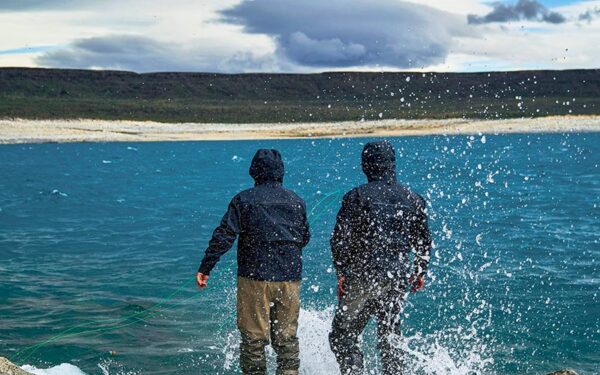
 

best fly fishing destinations two men fly fishing

Best Fly Fishing Destinations To Add To Your Bucket List

Some fishing trips are worth planning years in advance. For fly anglers, there are rivers, lakes, and flats that stand out because of the quality of fishing, the setting, and the overall experience. These locations often combine reliable fisheries, knowledgeable guides, and comfortable lodges in locations that feel far removed from everyday life.

But what defines a true bucket-list fishing destination? Well, that depends on each angler’s preferences and the species of fish they want to pursue. Still, for a trip to feel truly memorable, an all-inclusive, lodge-based experience is hard to beat.

Often guide-led and set on productive local waters, these trips offer a balance of comfort, service, and serious angling – without the guesswork of planning every detail. Whether you’re wading a shallow flat for bonefish, drifting a wild river for trophy rainbows, or stalking sea-run browns in remote estuaries, these are fishing adventures that stand the test of time.

From Alaska’s salmon-filled rivers to Patagonia’s legendary trout waters, and from bonefish flats in the Bahamas to the remote atolls of the Seychelles, certain destinations stand out as true bucket-list experiences. This guide highlights when to go, what species to target, and how lodge-based trips can make your adventure unforgettable.

Wild Trout an Salmon In Alaska – Lodge Based Fly Fishing

Alaska remains one of the most varied and productive fisheries in the world. Bristol Bay’s rivers and lakes hold all five Pacific salmon species, trophy wild rainbow trout, Arctic char, and grayling. The Naknek River is famous for its large rainbows, while the Kvichak delivers consistent action for salmon and trout from June through fall.

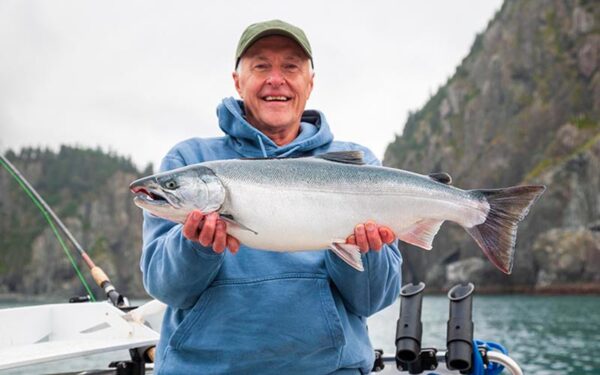
alaska fly fishing man holding salmon

On the Kenai Peninsula, lodges provide access to prolific salmon runs and big resident rainbows. Daily float trips, jet boat runs, and walk-and-wade options make this area a strong choice for anglers who like to mix techniques or who are seeking a more active adventure.


Patagonia’s Rivers and Lakes – Trophy Trout Lodges

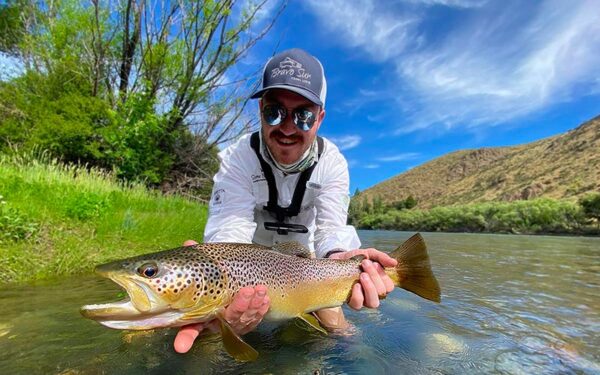
man holding huge brown trout

Further south, Santa Cruz Province is known for its big stillwaters, including Lago Strobel (better known as Jurassic Lake) where rainbow trout can reach remarkable sizes. While access here is limited to a small number of outfitters, across Patagonia there are many more lodges offering diverse programs that combine lake and river fishing.

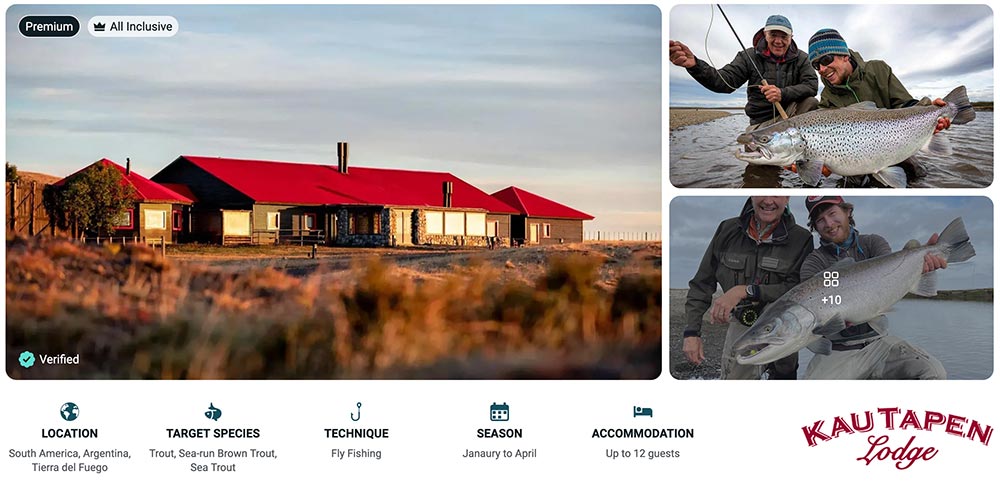
At the southern tip in Tierra del Fuego, the focus shifts to sea-run brown trout. From January through April, fishing is available to target these powerful fish as they enter the Rio Grande and other rivers, and experienced guides help anglers adapt to the subtle changes in conditions that can make all the difference.

Bahamas – Saltwater Flats Fly Fishing

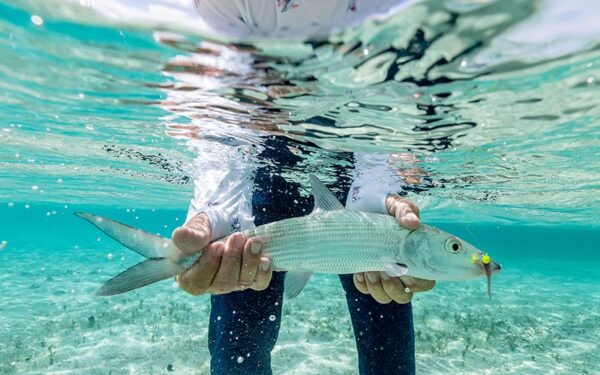
The Bahamas are one of the world’s classic flats destinations, with islands like Andros and Abaco offering endless shallow waters that hold strong populations of bonefish. These flats are often within sight of your lodge, making for easy daily access and plenty of time on the water.

bonefish in bahamas

Lodges range from simple, family-run operations to full-service resorts, but the focus is always on clear water, sight-fishing, and the thrill of spotting tailing bonefish across wide, open flats.


Kylebooker Fly Fishing Vest Pack Adjustable Fishing Backpack
$49.99
Buy Now
We earn a commission if you make a purchase, at no additional cost to you.
06/16/2026 12:05 pm GMT

Seychelles – Remote Fisheries and Various Species

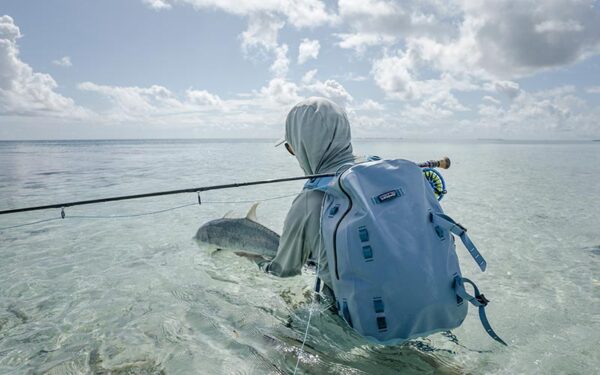
The Seychelles offer one of the most unique saltwater fly fishing experiences in the world. Remote atolls hold bonefish, giant trevally, milkfish, triggerfish, and Indo-Pacific permit – species that demand quick, accurate casts and strong tackle.

seychelles fly fishing man with fish

While fishing is possible year-round, the prime window is October through May, when lighter winds and calmer seas provide the best access to the flats. During the southeast monsoon from June to September, stronger winds can make travel and fishing more challenging. Alphonse Island is a notable exception, offering year-round fishing thanks to its more sheltered location.

When To Take Your Fly Fishing Trip

fishing lodge
  • Alaska (Jun–Sep) – From Bristol Bay to the Kenai systems, all five Pacific salmon species return during summer, fueling the ecosystem. June is the prime time for king salmon, while August and September bring big rainbow trout and Arctic char feeding heavily behind spawning salmon. Early and late in the season can also mean fewer anglers on the water.
  • Patagonia (Nov–Apr) – Across southern Argentina and Chile, rivers such as the Limay and Aluminé see long summer days, steady insect hatches, and trout feeding actively on the surface. Lakes and spring creeks add variety, and the austral summer offers the most reliable conditions for anglers targeting wild browns and rainbows.
  • Bahamas (Oct–Apr) – This is the most reliable season for flats fishing, with stable weather, comfortable temperatures, and good light conditions. Bonefish are the main draw across islands like Andros and Abaco, with occasional opportunities for permit and tarpon, depending on the area.
  • Seychelles (Oct–May) – While some destinations like Alphonse operate year-round, the most reliable fly-fishing season across the Seychelles’ outer atolls runs roughly from October to mid-May. The calmer northwest monsoon during this period brings steadier, lighter wind and better casting conditions, ideal for targeting species such as bonefish, giant trevally, milkfish, triggerfish, and Indo-Pacific permit 

Tip: traveling just before or after peak season often means fewer people and lower costs, with good fishing still available.


How To Choose Your Fly Fishing Lodge

A bucket-list fly fishing trip isn’t just about the fishing – it’s about finding the right destination and lodge to match your style. When evaluating options, consider:

  • Species Focus – Do you want variety (salmon, trout, grayling) or a single target (like sea-run browns)? Some lodges specialize narrowly, while others offer daily variety.
  • Guiding Philosophy – Are you seeking one-on-one coaching, or do you prefer a more independent style where guides simply put you in the right spot?
  • Accessibility – Fly-out lodges in Alaska or boat-access atolls in the Seychelles can add adventure, but also cost and complexity. If convenience matters, look for road-access lodges near regional airports.
  • Lodge Experience– Some focus on rustic authenticity, others on luxury comforts. Decide whether you want fine dining and spa options, or a simpler camp that maximizes fishing time.
  • Sustainability & Conservation – Increasingly, lodges are adopting catch-and-release policies, habitat projects, and community partnerships. Supporting these operations ensures the fishery remains world-class for the future.

Mistake to avoid: Don’t choose a destination only for its trophy-size catch potential. A memorable fishing trip is about more than just the size of the fish. The quality of guides, the variety of water, and even non-fishing amenities often play a bigger role in how enjoyable the experience will be.


How To Communicate Directly With Fishing Lodge Owners Worldwide

Don’t choose a destination only for its trophy-size catch potential. A memorable fishing trip is about more than just the size of the fish. The quality of the fishing guides, the variety of water, and even non-fishing amenities often play a bigger role in how enjoyable the experience will be. 

Whether your dream is chasing salmon in Alaska, stalking trout in Patagonia, or wading the tropical flats of the Bahamas or Seychelles, the right lodge can turn a good trip into an unforgettable one. 

Sites like Fishing Explora offer offers a curated selection of premium fly fishing lodges and destinations worldwide, where members can directly contact lodges to plan their next adventure with confidence.


Now Get Out There!

We hope we have provided helpful info for you to assist in making your decision of where to take your next bucket list fly fishing adventure. Remember, be sure to consider the species of fish you’re after, the location, the timing and the lodge preferences before packing up and heading out.

Grab your fly fishing gear, get to fishing, and we hope you put a hook N1!


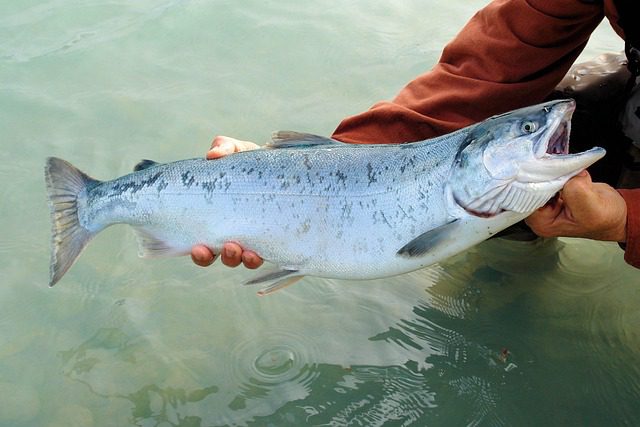
fishing in alaska salmon

Planning Your Alaska Fishing Trip | Winning Tips For A Successful Adventure

Whether you are a die-hard fly-fishing purist or just fancy yourself as an avid angler, make sure to pin Alaska as your next fishing destination, as the waters here are one of the best places on earth to cast a line in.

We’ve done the “when, where, and how” legwork for your dream Alaska fishing trip, so read on to find out more!

Before You Go (Research, Research!)

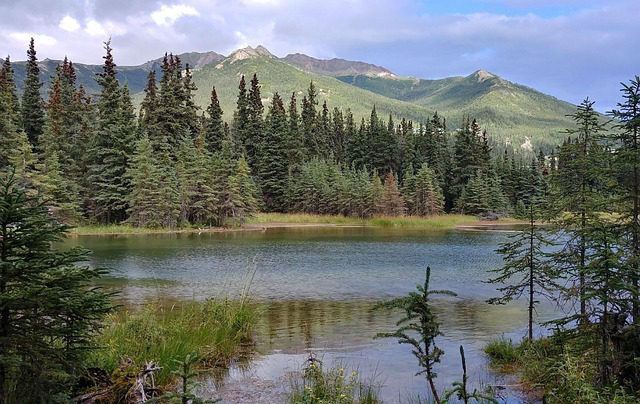
view of fishing spot in alaska

Fishing charters and guided tours get booked very early, so do a research to find the one you are looking for and plan your trip well in advance.

Fishing charters for salmon and halibut can also be boarded for various ports of call on an Alaskan cruise, as well as freshwater fishing on overland cruise trips, for those willing to pay the price. Cruise guests also get to sample the diverse wild wonders of the 49th state, often just minutes away from where the cruise ship leaves port.

Types Of Fish In Alaska

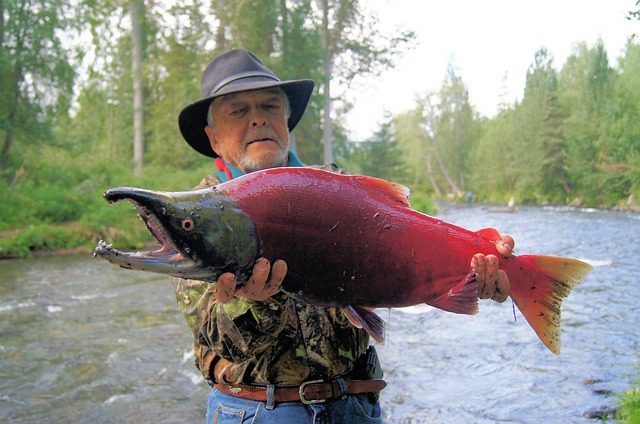
SOCKEYE SALMON

There are five species of salmon found in Alaska, each of which spawn typically from late Spring To Fall. So, do your research on the best time to pursue whichever fish is your main target.

  • Chum (Dog) Salmon
  • Sockeye Salmon
  • Coho Salmon
  • Chinook Salmon
  • Pink Salmon

Never waste a fish! If you catch a fish that is outside the size limits, or something you simply don’t want to keep, release it gently and quickly.


sockeye salmon in hand
  • Salmon: May to September
  • Halibut: March to October
  • Rainbow Trout: June to September
  • Rockfish: Round the year
  • Dolly Vardenf Trout: July to October

While peak season runs from May to September, you can fish year-round in Alaska, providing you are willing to try new species and locations. In addition, there is ice fishing on the frozen lakes in winter.

You need a fishing license to fish in Alaska, which can be arranged right on board your cruise vessel or online. For more details, visit the website of Alaska Department of Fish & Game.


Bagenerous 39L Fishing Tackle Backpack with Rod Holders & Cooler,Water-resistant Fishing Gear Storage Bag with Protective Rain Cover,Khaki
$50.99
Buy Now
We earn a commission if you make a purchase, at no additional cost to you.
06/15/2026 02:03 pm GMT

Best Fishing Locations In Alaska

Whether you’re an avid fishermen or just a casual caster, you can find a place to fish almost anywhere in Alaska where there is water.

Freshwater Fishing Locations In Alaska

Below are some of the locations you should consider for freshwater fishing in Alaska:

1. The Kenai River is considered one of the world’s best sportfishing rivers, and is renowned for chinook (king salmon) runs.

  • Species: Chinook (King) salmon, sockeye salmon, silver salmon, rainbow trout, and Dolly Varden. 
  • Accessibility: Multiple access points for bank fishing, boat launches, and established campgrounds. 

2. The Nushagak River is an excellent Alaskan fishing location that provides excellent opportunities for both salmon and trout.

  • Species: All five species of Pacific salmon (Chinook, sockeye, chum, coho, and pink), along with rainbow trout, arctic grayling, and Dolly Varden.
  • Accessibility: Primarily accessible by floatplane, and providing a more remote and wilderness fishing experience. 

3. The Kasilof River is a shallow and milky-colored river that offers excellent fishing opportunities, especially for fly fishing enthusiasts.

  • Species: King salmon, especially during the early season.
  • Accessibility: Accessible by road and boat, with numerous access points along the river. 

4. The Situk River is a popular river for salmon fishing and is also a popular spot for fly fishing.

  • Species: Salmon (Chinook, sockeye, coho), rainbow trout, and Dolly Varden.
  • Accessibility: Accessible by road and boat, includng several established campgrounds and other access points. 

5. The Innoko River is located in the interior of Alaska and offers a more remote fishing experience with fewer crowds.

  • Species: Northern pike, arctic grayling, and other species.
  • Accessibility: Primarily accessible by floatplane, requiring a more adventurous trip. 

Saltwater Fishing In Alaska

For the best saltwater fishing, The Inside Passage has endless possibilities, while Ketchikan is considered the salmon capital of the world. Juneau, Wrangeli, Haines, Petersburg, Sitka and Skagway are some other key fishing getaways to coastal fishing in Alaska.

Fishing in Interior Alaska and Arctic Alaska is also a consideration, but these regions are primarily accessed only by air and riverboats.


Getting started (The Gear You’ll Need)

Here is some of the essential fishing gear you will need for your Alaska trip:

  • Fishing rod, reel and tackle (well, obviously, but don’t forget to bring the appropriate rod/reel and lures for the species of fish you’ll be pursuing! Also, the appropriate type of fishing line).
  • Alaska fishing license
  • Clothing you can layer (this would include synthetic long underwear, long-sleeve shirts, and waterproof outer layers).
  • Rain gear (no one wants to be wet and cold, right?)
  • Wool socks (keep those feet and toes warm!)
  • Cold weather hats (much of your body heat escapes from the head)
  • Gloves
  • Polarized sun glasses
  • Waterproof bag (especially for your video equipment, if you plan to do any filming of your trip)
  • Pocket knife (you never know when you’ll need one!)
  • Insect repellant (yes, even Alaska has bugs, and you’ll want to have repellant, especially in the Summer months)


Now, Go Fish!

Alaska boasts not only some of the best fishing opportunities in the United States, but also some of the most majestic wildlife and scenery in the world. Do your research, gear up and go fish! Oh, and be sure to send us some fishing pictures!