
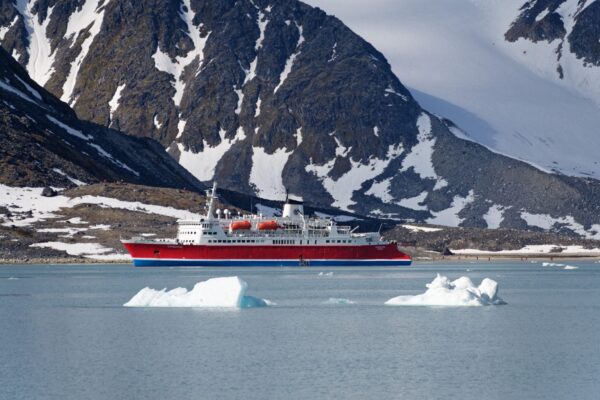
Even with modern engineering and advanced technology, roads in the far Arctic barely extend beyond areas that are already accessible by other means. When the road ends, nature takes absolute primacy in the form of steep rocks and moving sea ice structures.
Walking further isn’t an option, once you realize how small a human is compared to a miracle of nature that has stood there for thousands of years. But, there is a great option to experience this part of the world… traveling on water, of course!
Ice-strengthened vessels lead the way through deep glacial fjords and narrow passages that have been sailed for centuries. In that world, you can see and experience the plant life, and above all the animal world, that actually lives, hunts, and survives there.
Water Routes in Place of Roads
For the majority of Arctic coastlines, sheer rock faces plunge abruptly into cold (but not quite freezing) waters – so there is usually no level beach area. Within island groups including Svalbard and East Greenland, communities are often hundreds of miles apart, separated by both open water and harsh ice terrain.
Smaller boats with shallow bottoms can travel into narrow waterways and sheltered ports where huge cruise ships cannot fit or would run aground.
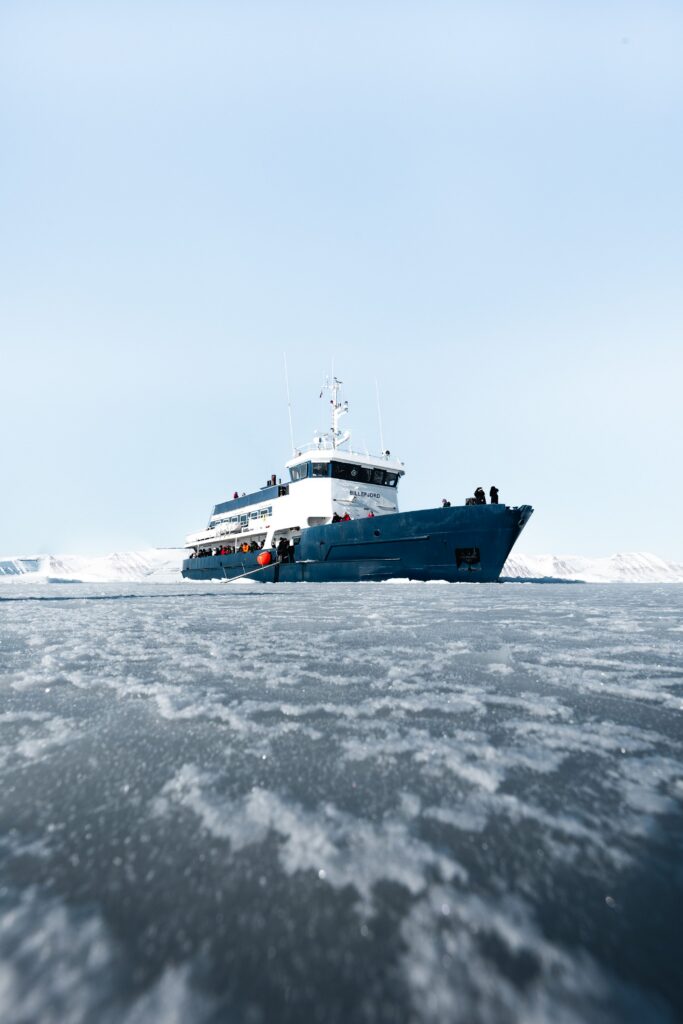
Rather than mooring in distant waters or using heavily industrialized ports, expedition cruise ships function as floating field bases. Skilled ships’ captains modify the vessel’s course continuously according to prevailing winds, tidal information and the movement of pack-ice. This in turn allows expedition members to investigate secluded valleys and pristine coastal areas which only receive limited visitor numbers during the Summer months.
On the Edge of Pack-Ice
The transition between open water and pack-ice represents one of the most productive food sources in the Arctic and Antarctic. Highly nutritious cold waters stimulate extensive plankton growth, which in turn attracts Arctic cod, seals and top-of-the-food-chain hunters which prowl around ice-floes. So from the upper deck of a moving ship, it’s possible to enjoy an excellent vantage point to watch this natural environment without causing disruption.
There are other amazing things to view as well:
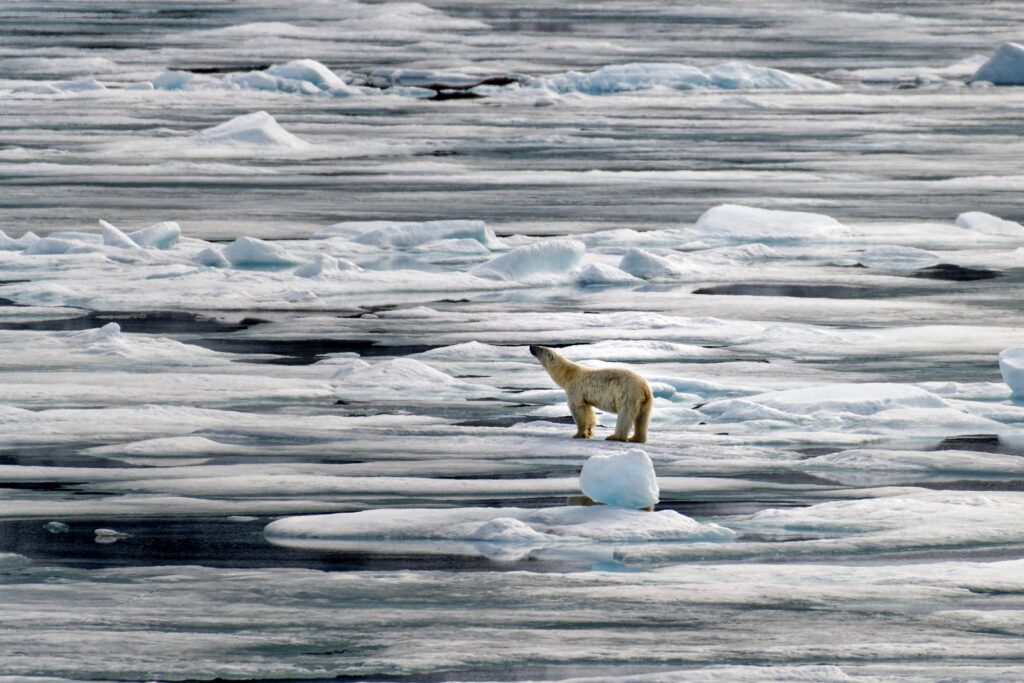
Polar bears: Using strong binoculars, expedition leaders scan distant ice-lands to spot lone polar bears stealthily traveling along ice-pressure features in search of ringed seals.
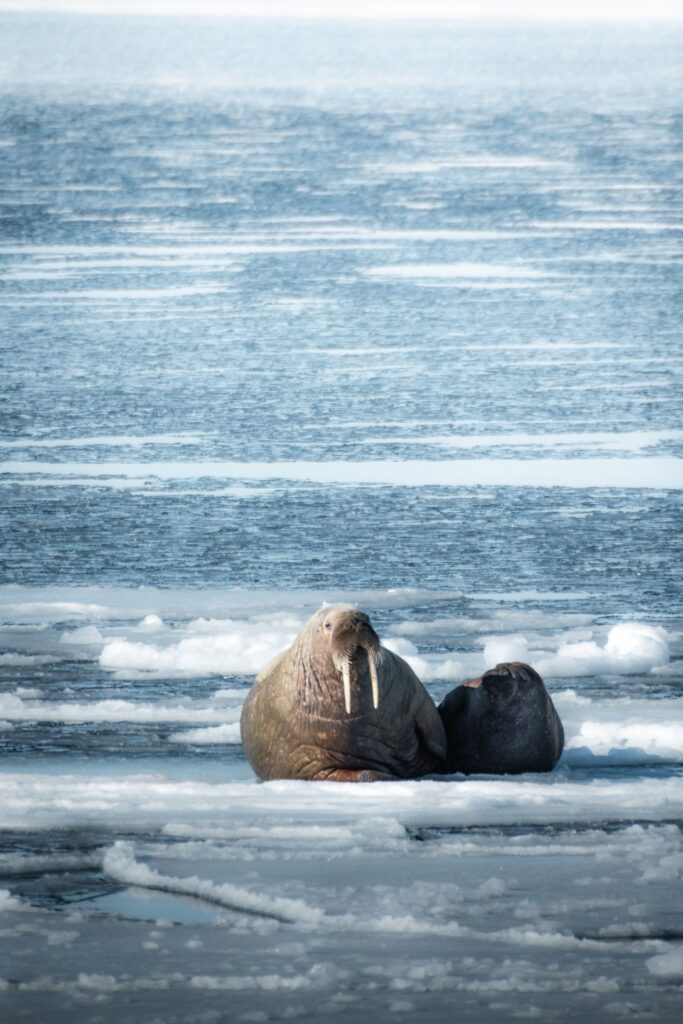
Walrus: On shingle bars and solitary islands, walrus congregate in large numbers to sunbathe in between extended periods of diving to hunt for clams on the seabed.
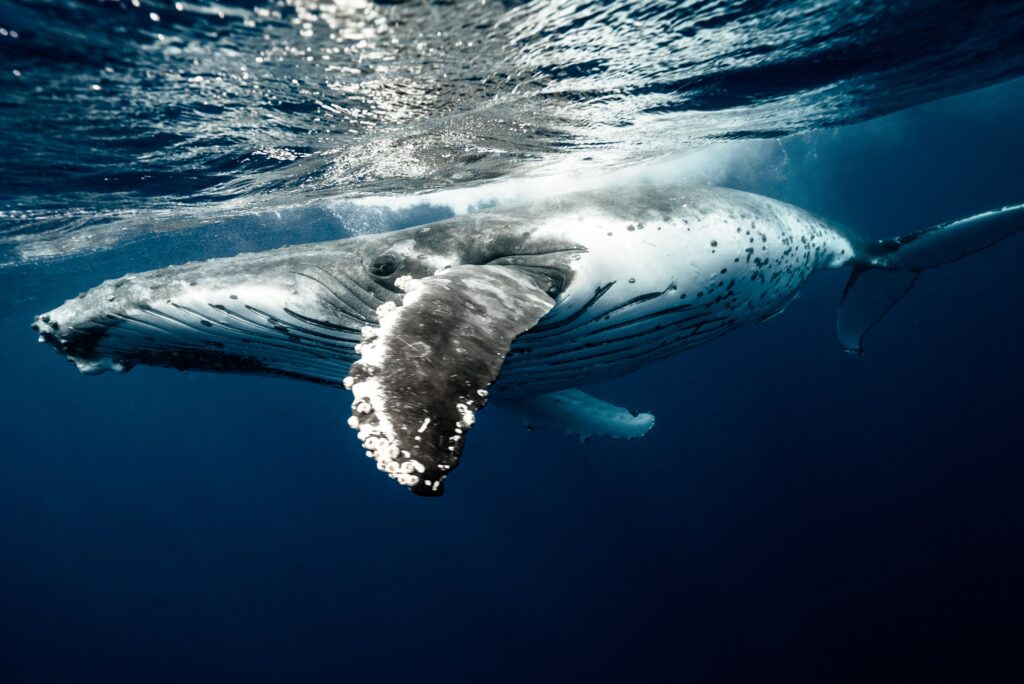
Whale fjords: Frequently, minke, fin and humpback whales can be seen in safe fjord waterways. These are frequently accompanied by groups of white ‘beluga’ whales which travel parallel to the coastline.
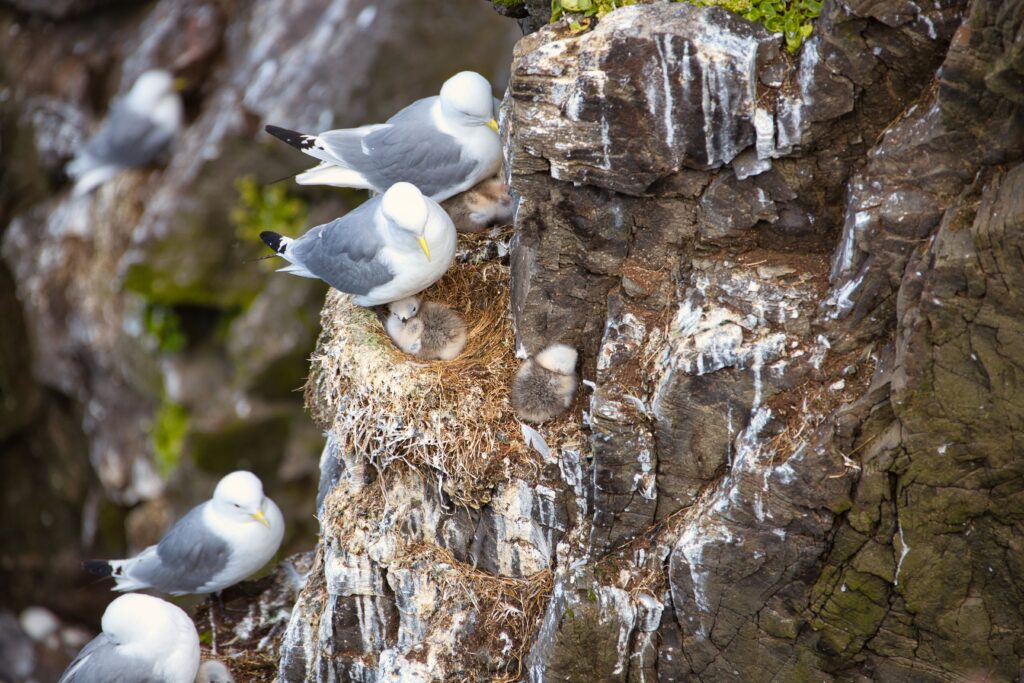
Bird cliff migration: Monumental basalt cliffs awaken in the Summer to host hundreds of thousands of nesting birds including guillemots, small auks and kittiwakes.
Popular lifestyle apparel for outdoors lovers!
-
N1 Outdoors® “Sunset Mountain” Pullover Hoodie
$34.00 -
N1 Outdoors® Mountain Colors Tee (Various Colors)
Price range: $24.99 through $28.99 -
N1 Outdoors® Royal Flush™ UPF 45+ Performance Fishing Shirt
$9.00
Beaching using Small Boats
While the main vessel is used for transferring between different fjords, smaller rubberized boats are utilized for day-by-day investigation at sea level. These boats are easily deployed from the back of the expedition ship, and they are highly maneuverable, allowing small parties to glide alongside glaciers, thread effortlessly between icebergs, and even beach themselves on rocky shores (where there is no pier).
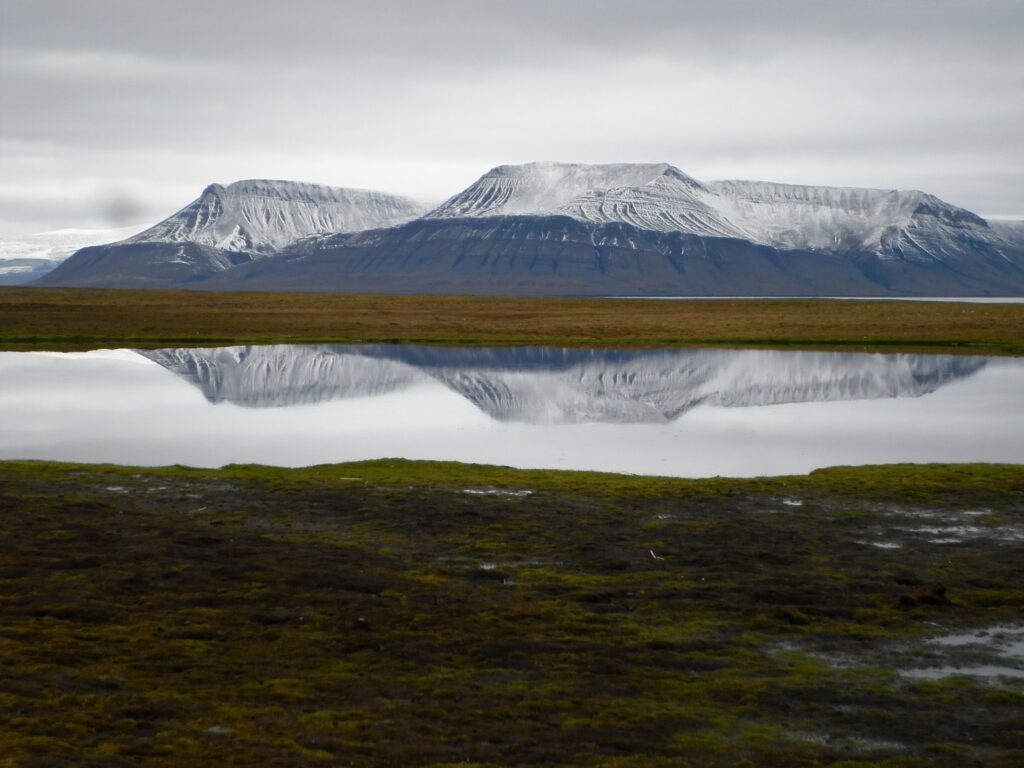
On land, expedition naturalists then organize hushed excursions across spongy tundra which is speckled with purple saxifrage, Arctic poppies and aged driftwood imported from Siberia. Strict guidelines regarding maintaining a suitable distance from wildlife and bio-security procedures are adhered to at all times. Individuals also ensure their footwear is thoroughly cleaned both prior to and following each beaching in order to minimize impact upon delicate Arctic environments.
Luxury With Realism
It’s no longer necessary to endure the discomfort of repurposed fishing vessels, shared sleeping accommodations, and tinned food in order to explore the Arctic. Contemporary, ice-reinforced expedition ships successfully deal with the harsh Arctic waves and pack-ice.
They also provide cozy upper decks, good facilities to dry off, and high-quality hot food which is always ready for serving between outings. Many travelers that take on this type of adventure in the High North choose scenic Arctic cruises aboard small, intimate ships. On these vessels, field biologists and polar historians substitute conventional leisure team members. Following an invigorating morning of walrus watching on a shingle bank or glacier investigation in Hornsund, it is a welcome relief to re-enter the ship and escape from the wind. It is, in fact, adventure with a little luxury.
Exploring Historic Sites and Polar Legacy
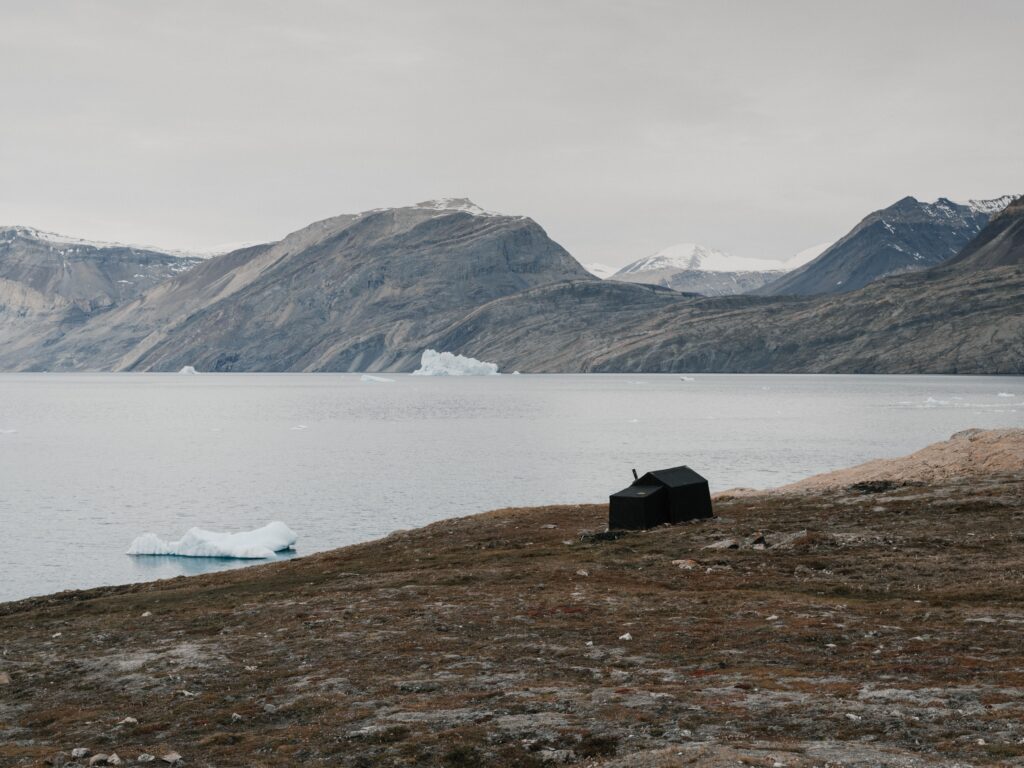
Apart from its fauna and ice-features, the Arctic has an unexpectedly diverse human history which has been superbly conserved by the region’s arid and freezing conditions. Sparsely distributed around secluded bays, dilapidated seventeenth-century whaling stations, deserted trapper lodgings and historic base-camps from pioneering early explorers striving to reach the North Pole can all be seen.
As wood and metal both last a long time in cold environments, ancient wooden boats, corroded anchor chains and stone blubber ovens can still be seen in precisely the same locations as when they were originally left, many generations ago. Accompanied by a polar historian, visiting these sites provides a fascinating human dimension to the Arctic environment and emphasises the great efforts which early expeditions had to make in order to endure within an area which is now comfortably and silently traversed by modern ships.
Arctic Wildlife Cruise Exploration Awaits
Compared to land-based travel, expedition Arctic exploration enables nature to effectively dictate activity. Gently gliding through ice-laden fjords and disembarking on pristine tundra allows for an up-close appreciation of this area’s wildlife and scenery – something which is rarely experienced directly by so many individuals. When they return home, they typically have chapped lips, but that is a small price to pay for incredible scenic memories and a profound respect for how wild some parts of the world still are!