
-By Drew Sando, Sando Law, P.A.
As winter season brings anglers from across the country to Florida’s southeastern Gulf Coast and the Keys, many visitors find themselves surprised by the Florida Fish and Wildlife Conservation Commission’s (FWC’s) extensive fishing regulations and the serious penalties for violating them. What seems like a minor mistake on the water can result in criminal charges, substantial fines, and even jail time.
Getting Your Florida Fishing License
If you’re 16 or older and plan to cast a line in Florida waters, you need a fishing license. This applies whether you’re a Florida resident or just visiting for the week. Even catch-and-release fishing requires a valid license.
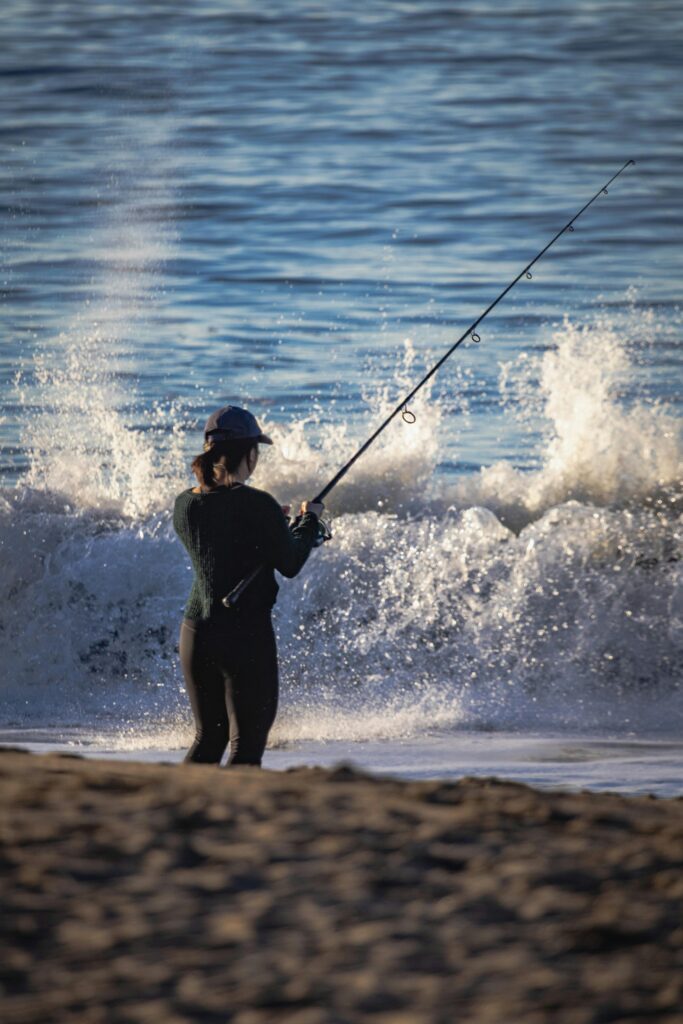
Non-residents can purchase short-term licenses designed for visitors: three-day licenses cost $17, seven-day licenses run $30, and annual licenses are $47. You can make your purchase online, at local tackle shops, or through tax collector offices.
If you’re fishing from a licensed charter boat, you’re covered under the captain’s vessel license. However, if you’re renting a boat or fishing from shore, you’ll need your own license.
These Fishing Shirts are waiting for you!
-
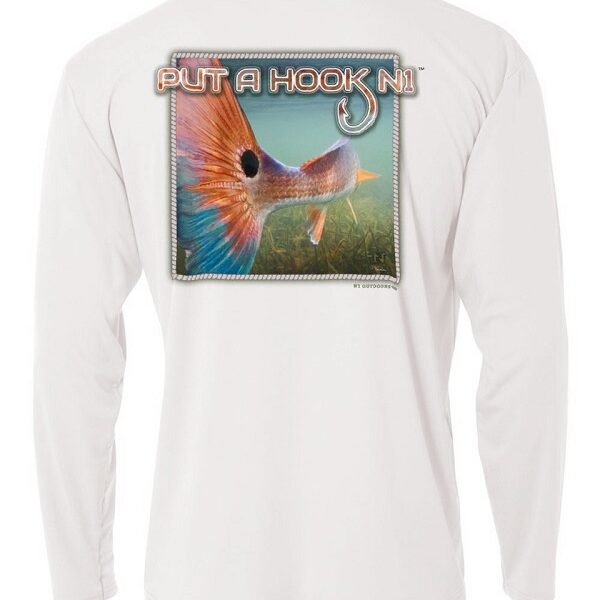
Put a Hook N1™ UPF 50+ Redfish Performance Fishing Shirt
$15.00 -
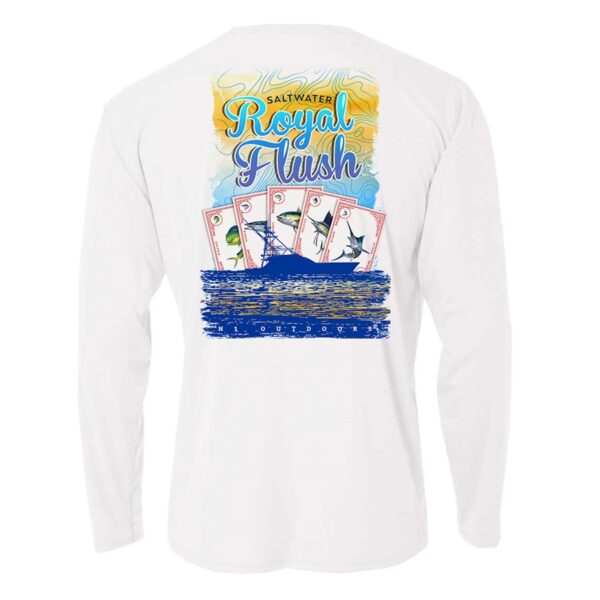
N1 Outdoors® Royal Flush™ UPF 45+ Performance Fishing Shirt
$19.00 -
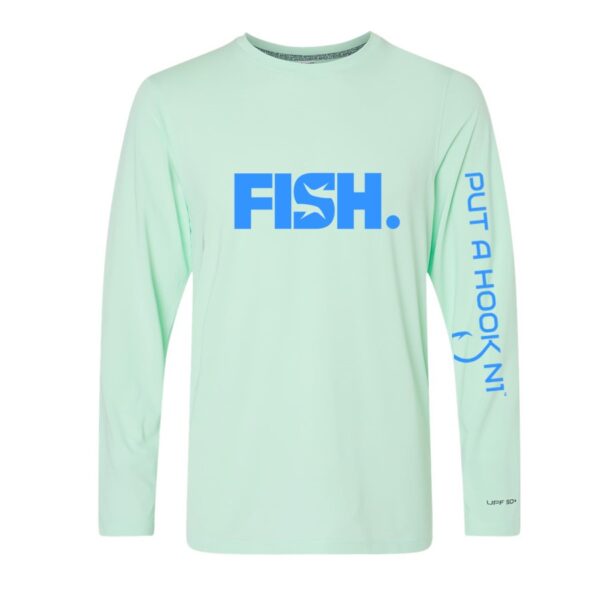
N1 Outdoors® FISH. Performance UPF 50+ Shirt
Price range: $37.99 through $39.99
The Cost of Fishing Without a License
Fishing without a valid license in Florida is a Level One FWC violation, a non-criminal infraction for first offenders. Florida residents face fines of $50 to $100, while non-residents can expect $100 to $250, plus the license cost.
However, paying the fine creates a permanent public record that enhances penalties for future offenses. Subsequent violations within three years carry steeper fines and can escalate to criminal misdemeanor charges with license suspensions lasting up to three years.
Common Violations That Trip Up Visitors

Bag limit violations of specific fish are just one of the many common FWC violations.
The southeastern Gulf Coast and Florida Keys present unique regulatory challenges that frequently catch anglers off guard:
- Bag limit violations: Snapper species have a 10-fish aggregate bag limit, with specific restrictions like mangrove snapper (five per person). In the Keys, you can keep three grouper per person, but only one can be black or gag grouper. Exceeding these limits can result in fines up to $500 per violation.
- Undersized fish: Keeping undersized fish is a Level Two violation, a second-degree misdemeanor punishable by up to 60 days in jail and a $500 fine. Prior FWC convictions escalate penalties to first-degree misdemeanors with mandatory minimum fines of $250 to $750.
- Protected areas and seasons: The Florida Keys National Marine Sanctuary includes numerous no-take zones. Fishing in restricted areas or during closed seasons can result in fines up to $500.
- Gear violations: When targeting reef fish, Florida law requires non-offset, non-stainless steel circle hooks with natural bait, plus a descending device. Violations can lead to additional citations and fines.

What to Do If You’re Cited
If you receive an FWC ticket while fishing in Florida, don’t simply pay the fine. Whether you’re a resident or were visiting, consulting with an attorney who specializes in Florida Fish & Wildlife violations is crucial. An experienced FWC ticket lawyer can often negotiate reduced charges, minimize fines, or have charges dismissed. These are outcomes that protect your fishing privileges and keep violations off your record.
The Keys offer world-class fishing, but understanding Florida’s conservation regulations ensures you’ll enjoy these waters for years to come. When in doubt, check current regulations, measure your catch carefully, and reach out to a knowledgeable attorney before your situation becomes more serious.