

More than 57 million Americans went fishing in 2023, according to the latest Special Report on Fishing from the Recreational Boating & Fishing Foundation and Outdoor Foundation. Additionally, NOAA’s Fisheries of the United States report shows that recreational anglers took over 200 million saltwater trips in 2022 and caught about 1.1 billion fish, releasing around 61 percent of them.
When you remember that a big share of those anglers only manage a few trips a year, it makes sense that wasting your one free Saturday on bad conditions or a dead bite can feel pretty frustrating.
But, the upside is encouraging.

Just a little planning can take some of the guesswork out of what day to go fishing, and give you better odds of success.
With a few minutes of smart planning, using reliable forecasts, tide information and one of the many fishing apps (like Fishing Points, for example), you can dramatically improve the odds that your limited time on the water will feel worth it. This article walks through why conditions matter more than most weekend anglers realize, how to read a fishing forecast without getting overwhelmed, and how to turn all of that into a simple weekend game plan you can repeat.
The One-Day-Off Pressure Cooker
If you only get a couple of real fishing days each month, you’re in very familiar company. Participation research behind the RBFF Special Report shows that while tens of millions of Americans fish, many of them fall into the “occasional angler” category, going out only several times a year rather than every weekend. Those trips carry a lot of weight, not just for catching fish but for time with family and friends.

Weather quietly sits in the middle of decisions of what days to fish. A 2020 study on outdoor recreation and weather found that very hot conditions can reduce participation in activities like fishing by up to about 15 percent, based on large-scale analysis of daily weather and recreation patterns. Anglers simply back off when the heat turns a fun trip into something that feels more like work.
Coastal research shows a similar pattern with storms and rough marine conditions. A 2023 study of coastal Louisiana found that recreational fishing effort dropped significantly in weeks with high winds, heavy rain and tropical disturbances, and that participation didn’t bounce back instantly after storms. In other words, uncomfortable and risky conditions don’t just affect how the day feels, they can decide whether you go at all.
When you put that together with the reality of limited days off, it becomes clear why a more deliberate way of reading the forecast is worth the effort. You’re not trying to chase perfection; you’re protecting a handful of chances that really matter to you.
-
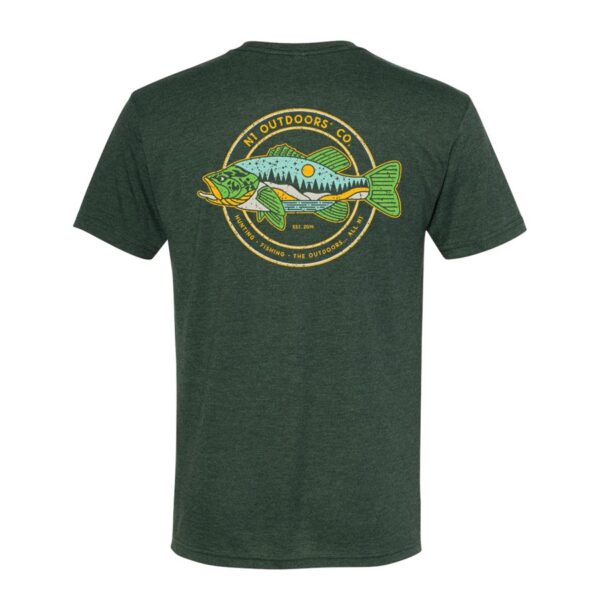
N1 Outdoors® Fishscape™ Outdoor Tee
Price range: $28.99 through $32.99 -
N1 Outdoors® Royal Flush™ UPF 45+ Performance Fishing Shirt
$19.00 -
Put a Hook N1™ UPF 50+ Redfish Performance Fishing Shirt
$15.00
How To Read Fishing Forecasts (Without the Headache)
Most anglers open a forecast app, see a wall of numbers and icons that they may tune out, and focus on just one or two things.
But, it doesn’t have to stay confusing.
The research that links weather and participation actually gives you a simple hierarchy: check what can ruin the day first, then look at what can help the bite.

Start with wind, waves and any marine warnings. The coastal Louisiana study showed that strong winds and small-craft advisories were strongly associated with drops in recreational fishing effort, because anglers naturally avoid unsafe or very uncomfortable sea states. So, if your local marine forecast shows high wind speeds, steep waves or boat advisories for your area and timing, that’s your first signal to reconsider.
Next, look at temperature and overall comfort. The weather-and-recreation work that identified participation drops during extreme heat is a reminder that even if it’s safe, a sweltering afternoon can sap your energy and your family’s patience. Shifting your plan toward cooler parts of the day, like early morning or evening, can be the difference between a trip you remember fondly and one you’re eager to forget.

Once those boxes are checked, turn to tides, solunar information and fish-activity forecasts. This is where dedicated fishing apps really help. These tools combine detailed weather and marine forecasts with tide charts, solunar data and species-based activity predictions in one place. Official app-store listings and developer sites describe global coverage, hourly conditions and millions of downloads, with large numbers of anglers using these platforms across web and mobile versions. That scale matters because you’re leaning on tools that are built on established meteorological, oceanographic and astronomical data, not guesswork.
One practical mindset is to treat all this data like a simple set of signals. If wind or advisories make it unsafe, it’s an automatic “no” regardless of how good the tide looks. If conditions are safe but very hot or uncomfortable, it might be a “maybe” that pushes you to tighten up your timing. When safety and comfort look reasonable and your app shows at least one strong activity period in your available window, that’s as close as you’ll get to a realistic green light.
Once the app and the underlying data handle the heavy lifting, your mental energy is freed up for decisions that feel more personal, like choosing a spot that’s friendly for kids or deciding whether to try a new stretch of shoreline. That shift alone can make trip planning feel less stressful.
Your 10-Minute Weekend Game Plan
Knowing how to read the forecast is useful. Turning it into a quick routine you follow every week is where things really start to work in your favor. The scale of recreational fishing times in the U.S. makes this especially relevant: NOAA’s national report puts recreational trips in the hundreds of millions each year, with catch and release forming a huge part of that activity. A lot of those outings are short, everyday trips that need a simple plan, not a complicated system.
Here’s a three-step rhythm that respects busy lives and tight schedules:
- Mid-week, usually around Wednesday, open your preferred fishing app and your local marine forecast to scan the upcoming weekend. Rule out days that already show strong winds, storms or advisories for your area, so you don’t mentally commit to something that’s very unlikely to feel safe or enjoyable.
- The day before your trip, go back into your app and pick a specific 3-to-4-hour window. Look for overlap between your actual availability and higher activity periods, and aim for moving water rather than slack tide whenever possible.
- On the morning of your trip, do one last check for updated forecasts or warnings. If wind, waves and temperature still fall within your comfort level and your chosen window still lines up with at least decent activity, you’re ready to go.
This routine fits around real life. Whether you’re meeting friends at a local pond, launching a small boat in the bay or sneaking in a dawn kayak session before family plans, it doesn’t demand that you rebuild your week around fishing. It simply asks you to look ahead a bit and match your limited time to the best available conditions.

Under the hood, you’re leaning on serious datasets and models. NOAA’s Marine Recreational Information Program provides trip and catch estimates that help agencies understand when and where people fish. Academic work on weather and participation explains why wind, waves and heat sit at the top of your decision tree, while modern fishing apps pull together tides, solunar phases and forecasts to show likely windows of activity. You’re using the same building blocks that guide more frequent anglers and charter captains, just in a streamlined way that fits a normal schedule.
Over time, you’ll probably notice your own patterns. You might realize that a certain pier comes alive on an incoming tide after lunch, or that a nearby flat fishes better on a morning low with a gentle breeze. Those observations matter, and they layer on top of your forecast routine without replacing it. The key is that you’re no longer betting your only free day purely on habit or hope.
More Fish and Better Memories
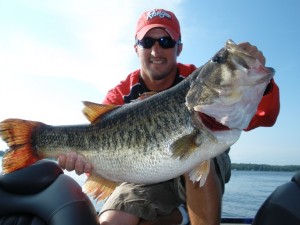
When you step back from the details, the picture is actually encouraging for weekend anglers. National reports show that recreational fishing participation is strong, with tens of millions of people still choosing to spend their free time on the water. At the same time, research makes it clear that conditions like wind, storms and heat genuinely influence whether people go, and how often they come back.
Modern tools sit right in the middle of those two truths. NOAA and long-running survey programs provide the baseline data that describe trips and catches, while fishing apps draw on weather, tide and solunar information to put practical activity windows in your hand. Treating a short, focused forecast check as a normal part of gearing up, right alongside spooling line or packing snacks, is a small habit that gives you a lot more control over how your few free days actually feel.
In the end, the goal isn’t to chase some perfect formula; it’s to stack the odds in favor of more safe, comfortable trips where something happens on the end of the line and the people with you want to go again. With so much reliable information now just a couple of taps away, why let your next hard-earned day on the water depend purely on guesswork?
Now, check your fishing app and plan your fishing adventure!