

You probably know that boats can be expensive, and they also require maintenance. But, sometimes, a dock for that expensive boat is often overlooked.
Docks need care too! And, that’s where rolling docks enter the conversation.
But, what’s a rolling dock anyway?
What is a Rolling Dock?
A rolling dock is a type of modular boat dock that uses a wheeled framework to allow for easy movement into and out of the water. Designed primarily for seasonal use, rolling docks are ideal for waterfront properties that experience changes in water levels or need to remove the dock during winter months to prevent ice damage. These docks are valued for their ease of installation, minimal required maintenance, and flexibility in length and layout.

Rolling docks are part of a broader category of dock systems, including floating, stationary, and piling docks. What sets rolling docks apart is their mobility and adaptability, making them especially attractive to homeowners and marina operators who prefer not to use heavy machinery or complex tools for seasonal transitions. With the ability to be pushed or towed into the lake and adjusted for changing conditions, they present a smart, long-term solution for many shorelines.
When and Where a Rolling Dock Is the Right Choice
Rolling docks work best when the shoreline has a firm lakebed, a gradual slope, and consistent bottom conditions. The large wheels require a stable surface to roll smoothly, making soft or muddy bottoms less ideal unless modified. These docks really shine in regions with freezing winters because they can be pulled from the water before ice forms, avoiding costly damage.

Areas across the Midwest, Great Lakes, and Canada frequently use rolling docks due to their seasonal weather patterns. But, homeowners on lakes with relatively calm water and shallow gradients benefit the most, especially when they prefer not to leave a dock submerged year-round. Rolling docks are also practical in areas with water level fluctuations, allowing users to adjust dock height or length as needed throughout the season.
For example, in regions like northern Minnesota or Ontario, rolling docks are often part of a spring and fall routine. In spring, the dock is simply rolled into place, leveled, and secured. In fall, it is just as easily removed and stored onshore. This flexibility reduces stress, eliminates the need for dock removal services, and helps protect investments over time; all great reasons to consider one.

How Rolling Docks Work: Basic Design and Operation

The primary design feature of a rolling dock is its wheel-based framework. Typically constructed with lightweight yet strong materials like marine-grade aluminum, the frame supports one or more dock sections that connect together using brackets or hinge systems. Underneath, high-impact plastic or rubber wheels are affixed to axles that span the width of the frame.
When installing a rolling dock, users align the first section at the shoreline and push or pull the dock into place. The wheels support the weight of the dock and allow it to glide into the water without lifting. Once positioned, adjustable legs or screw-jack supports are extended to ensure a level and stable walking surface. Additional sections can be connected to increase length or change direction.
Removal works in reverse. The dock is disconnected, supports are retracted, and the structure is rolled back out of the water. Some systems even offer winch kits or tow attachments to simplify this process. The efficiency of the system makes it ideal for users who don’t want to rely on dock service companies or who have limited help during installation.
Key Features to Look for in a Rolling Dock

Choosing the right rolling dock involves understanding the features that contribute to durability, usability, and safety. Not all docks are made the same, and investing in quality materials and thoughtful design can make a significant difference over time.
Here are the key elements to consider when choosing a rolling dock:
- Frame Material: Aluminum is a popular choice for rolling docks due to its resistance to corrosion, light weight, and strength. Galvanized steel can be more economical but may require more maintenance and can be heavier.
- Wheels and Axles: Durable, UV-resistant wheels made from high-impact plastic or rubber are essential for long-term use. Axles should be strong enough to support heavy loads and roll over uneven ground without bending or seizing.
- Decking Material: Non-slip surfaces improve safety, especially when wet. Popular options include anodized aluminum (cooler to the touch), vinyl, or cedar planks for a more natural look. Consider drainage, heat retention, and resistance to algae or mildew.
- Modular Sections: Look for docks that allow customization with modular sections, corner platforms, and extensions. This flexibility lets you grow or reconfigure your dock over time to match new needs.
- Leveling Systems: Adjustable legs, typically controlled via a screw jack or pin system, allow you to adapt the dock height to fluctuating water levels and ensure a level surface throughout the season.
- Fasteners and Connectors: Corrosion-resistant fasteners, such as stainless steel bolts and brackets, enhance the lifespan of the dock and reduce maintenance frequency.
- Storage and Transport Considerations: Some rolling docks are designed with removable decking or folding legs, making them easier to store off-season and extending their usable life.
These features collectively ensure that your rolling dock provides safe, stable, and reliable access to your waterfront with minimal hassle.
Awesome Fishing Shirt Designs HERE!
-
N1 Outdoors® Fishscape™ Outdoor Tee
Price range: $28.99 through $32.99 -
Put a Hook N1™ UPF 50+ Redfish Performance Fishing Shirt
$15.00 -
N1 Outdoors® Royal Flush™ UPF 45+ Performance Fishing Shirt
$19.00

Rolling Dock vs. Other Dock Types
When considering a dock for your property, it helps to understand how rolling docks compare to other styles:
- Floating Docks: These are best suited for deep or fluctuating water. Floating docks rise and fall with water levels but can be less stable underfoot and more vulnerable to wave action.
- Stationary Docks: Often built on permanent pilings or posts, these docks offer stability but require more effort to install and remove. They’re typically left in place year-round, which may not be ideal in areas with ice.
- Piling Docks: Similar to stationary docks, piling docks are highly durable but involve more construction, cost, and permitting. They are ideal for commercial marinas or areas with high traffic.
Rolling docks offer a balance of affordability, functionality, and ease of use. Their main advantages include:
- Seasonal mobility without requiring tools or crews
- Adjustable height for varying water levels
- Simple modular expansion
- Low maintenance in suitable conditions
Their main limitation is that they require a relatively firm and stable bottom to roll effectively. For homeowners with steep, muddy, or rocky shorelines, floating docks or piling docks may offer better long-term solutions.

Is a Rolling Dock Right for You?
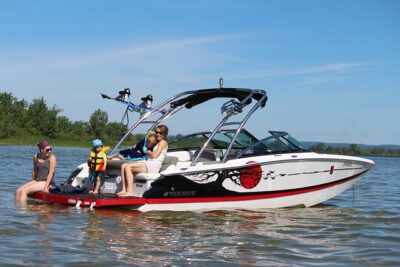
Rolling docks make a great option when you need versatility and ease of installation. After all, you want to be spending time on the water with friends and family as quickly as possible!
Rolling docks are a versatile and efficient option for many lakefront and riverfront property owners. Their mobility, adaptability, and ease of installation make them especially appealing in regions where water levels fluctuate or where winter conditions require seasonal removal.
Before deciding, consider your shoreline conditions, how often you’ll use the dock, and whether you need to remove it seasonally. Evaluate frame materials, wheel quality, decking, and modular features to ensure the dock you choose meets your long-term needs. If your shoreline is suitable, a rolling dock can offer years of reliable service with minimal effort—letting you focus more on enjoying the water and less on maintaining access to it.