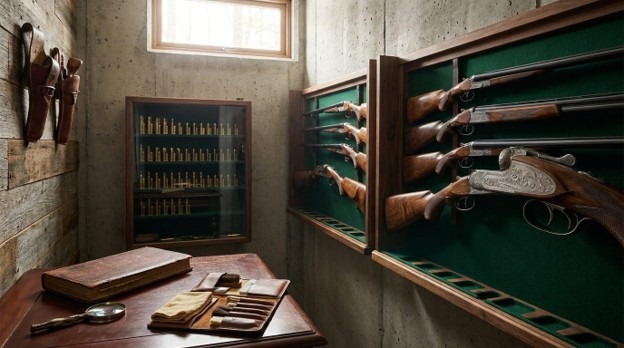
Every hunting season, someone somewhere will pull out an old pump shotgun or bolt rifle out of a safe, a closet, or a late relative’s gun cabinet, and say “I wonder what is this thing actually worth…”
Whether it is grandpa’s Model 70, or the trade-in you are eyeing to fund a new muzzleloader, figuring out a fair number takes more than a quick guess.
The good news is that the same basic process professional appraisers use to value firearms can be learned by you or any hunter who is willing to spend an afternoon on it.
How Much Is Your Hunting Rifle or Shotgun Actually Worth?
Gun values swing on a handful of factors: make, model, caliber, originality, and above all, condition.
Two identical rifles can differ in value by hundreds of dollars if one has honest wear and the other has been re-blued, drilled for a scope mount that wasn’t original, or stored in a damp barn. Before any value gets attached to a firearm, it has to be identified precisely and graded honestly.

Don’t just roll the dice and hope for a winning hand when valuing a firearm. A proper value hinges on the gun being identified properly and assigned an unbiased grade.
Grade the Gun’s Condition Before You Price It
Condition is the single biggest lever on value, and most pricing guides use a version of the same scale. A gun that looks “pretty good” to an untrained eye might grade several tiers lower once an appraiser checks for bore pitting, finish loss, and mechanical wear.
The table below gives rough percentage-of-new-price ranges commonly used as starting points for valuing modern hunting firearms in a normal market:
| Condition grade | What it looks like | Typical percent of current new price |
| New in box (NIB) | Unfired, original box and papers | 90-100% |
| Excellent | Minimal handling marks, mechanically perfect | 65-80% |
| Very good / Good | Noticeable wear, some finish loss, functions reliably | 55-70% |
| Fair | Significant cosmetic or functional issues | 40-55% |
| Poor / parts only | Heavy corrosion or damage, missing parts | Salvage/parts value only |
The ranges above assume no collector premium and a typical regional market. A rare chambering, a discontinued model, or strong local demand for a specific deer rifle can push actual sale prices well outside these tiers in either direction.
T-Shirts for the serious hunter
-
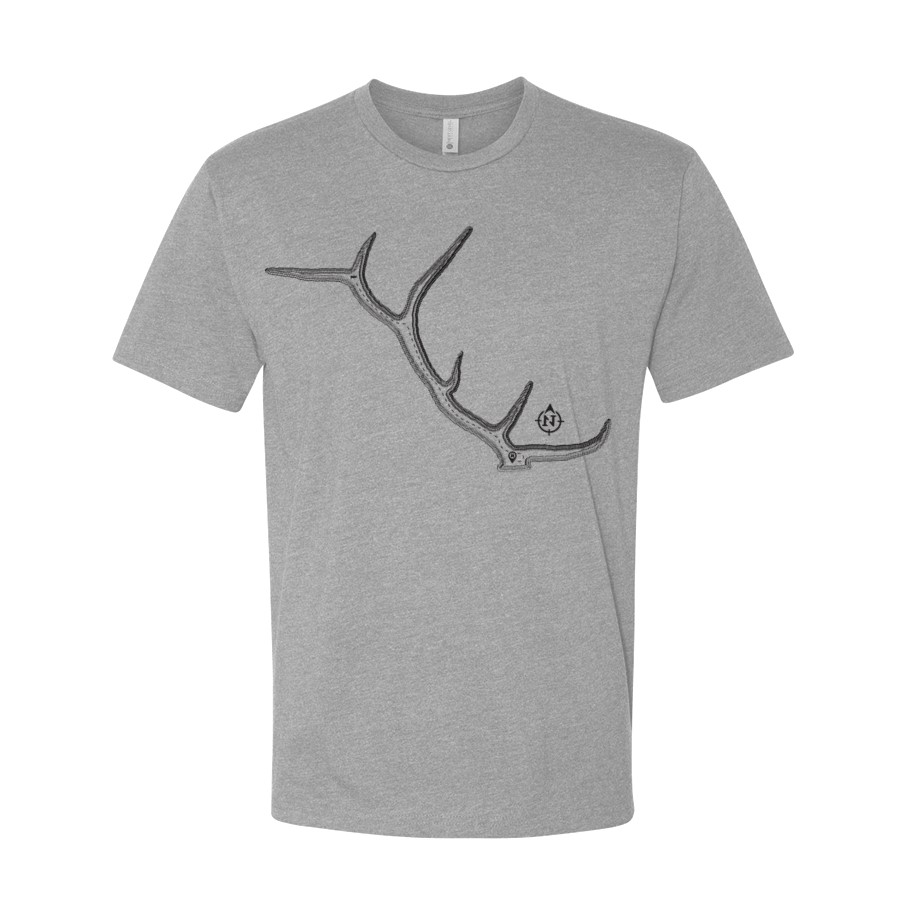
N1 Outdoors® Tine Lines™ Elk Antler Tee
Price range: $26.99 through $29.99 -
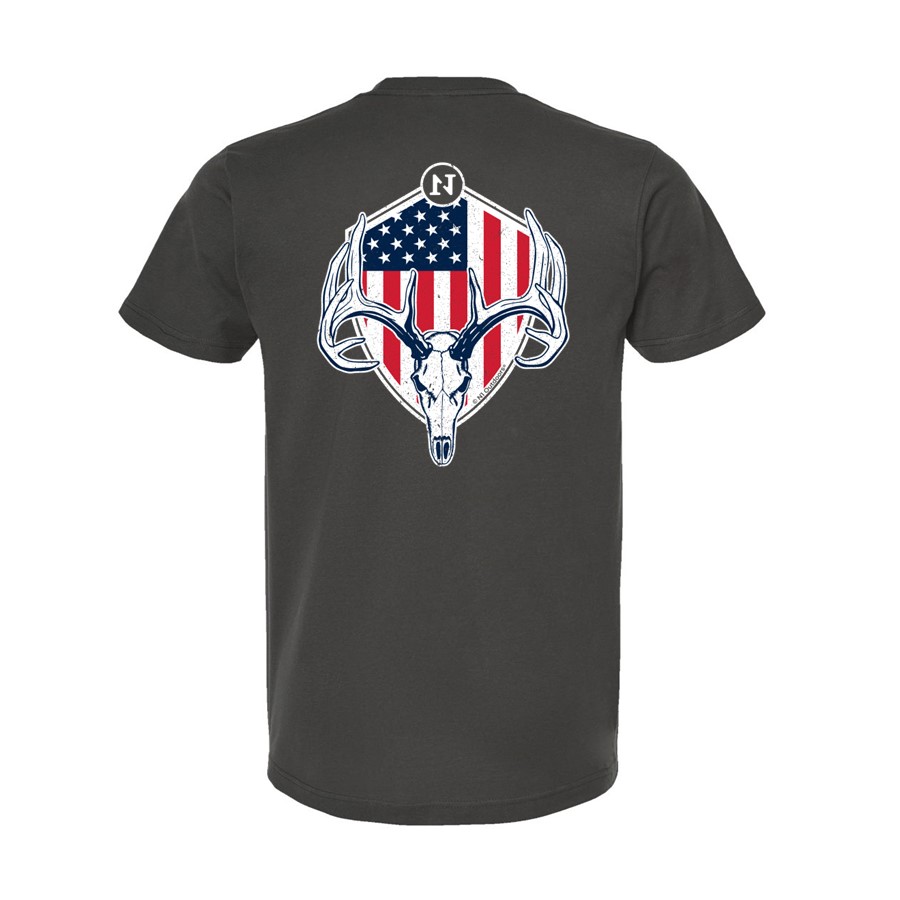
N1 Outdoors® “USA Antler” Tee
Price range: $24.99 through $28.99 -
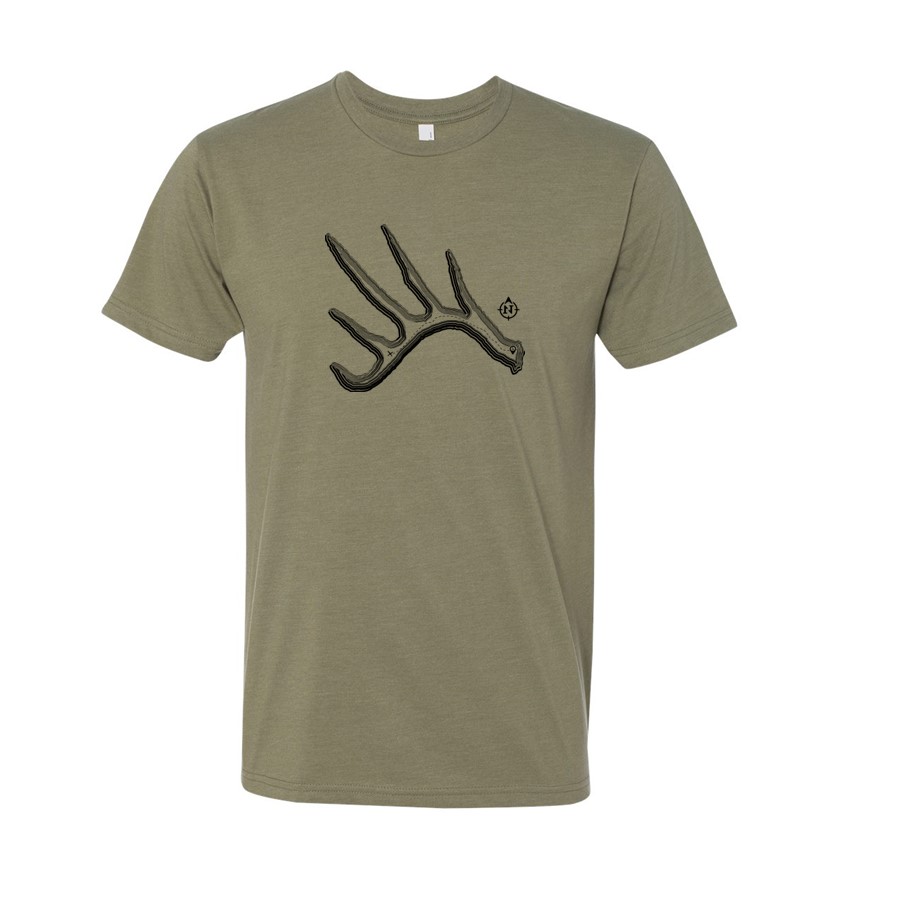
N1 Outdoors® Tine Lines™ Whitetail Deer Antler Tee
Price range: $26.99 through $29.99
What Information You Need To Value A Gun
Before contacting a gun shop, posting online, or requesting a formal appraisal, gather the details that any credible pricing source will ask for:
- Manufacturer, model name, and caliber or gauge
- Barrel length and overall length
- Serial number and any special roll marks or engravings
- Action type (bolt, pump, lever, semi-auto, revolver, single shot)
- Accessories included, such as scopes, slings, cases, or aftermarket stocks
- Any modifications, refinishing, or repairs, even minor ones
Having this list ready before you start speeds up every step that follows, whether you are using an online calculator or sitting across the counter from a dealer.
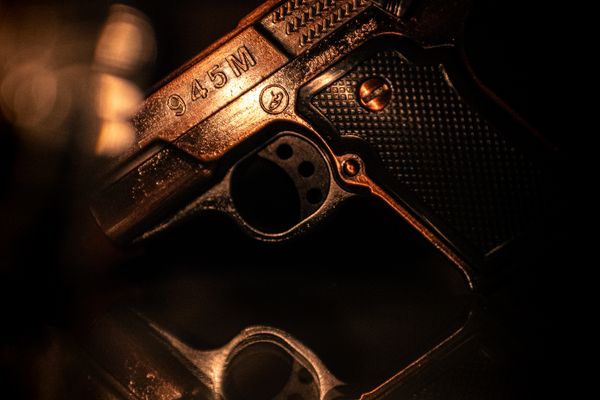
Serial numbers, engravings, roll marks and any other identification found on firearms contribute to a proper valuation.

How Much Is It Worth? DIY Gun Valuation in an Afternoon
A solid ballpark figure does not require a professional visit. Working through these steps in order gets most hunters to a defensible estimate:
- Confirm the firearm is unloaded before handling, photographing, or measuring it.
- Record the identification details listed above, including every marking on the metal and wood.
- Grade the condition honestly using the scale above, noting specific wear like bore pitting, stock cracks, or finish loss.
- Cross-check at least two independent data sources, such as a published pricing guide and completed auction results for the same model and configuration.
- Compare the result to the current new price of the same or closest equivalent model, applying the condition-based percentage ranges.
- Get a second opinion from one or two local shops if the gun is uncommon, older, or shows any sign of rarity. For firearms with unusual history, rare chamberings, or family provenance that pricing tools cannot capture, a documented gun appraisal carries more weight with insurers, buyers, and estate administrators than a private estimate.
Running through all six steps rather than relying on a single online tool catches the cases where a gun is worth more, or less, than a generic calculator suggests.
Trade-In, Private Sale, or Keep It?
Once a realistic value is in hand, the next decision is what to do with the gun. Each path has a different tradeoff between speed, price, and paperwork.
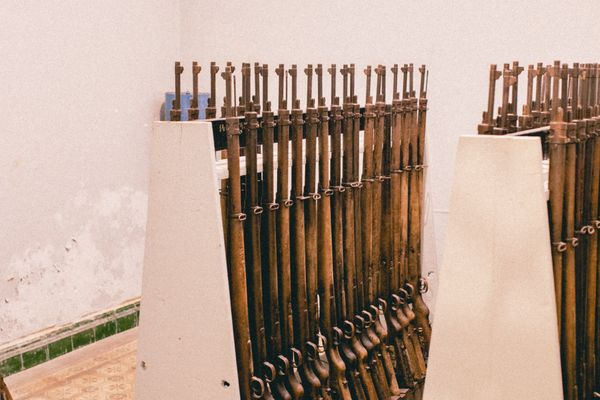
A dealer trade-in is fast and handles all the legal transfer requirements, but gun owners should expect an offer around half of the realistic private-sale value, since the dealer needs profit margin and takes on the risk that the gun could sit in inventory for an extended period of time.
A private sale can bring a higher price, especially for common modern hunting rifles and various shotguns in good condition, but it puts the seller in charge of screening buyers and following state and federal transfer rules. Keeping the firearm, particularly an heirloom hunting gun, often makes the most sense when the goal is passing it down or insuring it rather than cashing it out.
When a Professional Gun Appraisal Is Worth the Fee
Casual valuations work fine for common modern guns being traded toward new gear. However, a formal, written appraisal matters more for insurance coverage, estate settlement, or for any firearm with real collector or historical significance. Some shops charge a flat rate for this service, with one example listing an insurance or estate appraisal fee of $60 per gun, according to reporting from the Sonoran Desert Institute. Rates can vary by region and by how much documentation and research the appraisal requires.
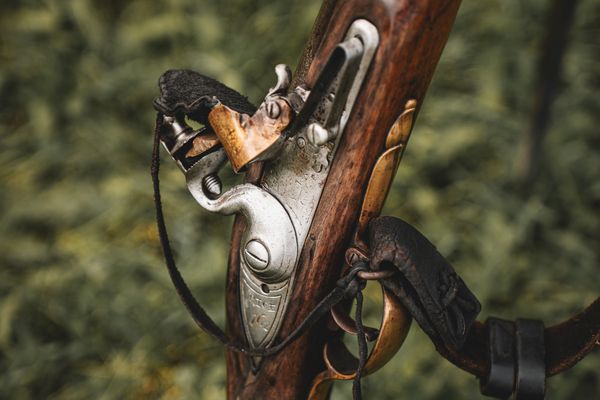
A professional appraisal typically includes a detailed description of the firearm, supporting photos of markings and any defects, and a stated value tied to a clear methodology and purpose, whether that purpose is insurance replacement cost, estate fair market value, or resale.
Firearm Selling Rules Every Hunter Should Know
Getting a gun appraised does not itself trigger any transfer paperwork, but selling or transferring it usually does. Sales through a federally licensed dealer involve a background check form and NICS check, while private, intrastate sales are governed by state-specific rules that vary widely. Interstate sales generally require an FFL to handle the transfer regardless of who the buyer is.
Hunters holding onto family guns for years are well served by keeping a simple written record of all serial numbers, photos, and any appraisal or valuation paperwork, especially for guns that will eventually pass through an estate or an insurance claim. That habit turns a potentially stressful event of sorting through a relative’s gun safe into a straightforward one, with values and documentation already in hand.