
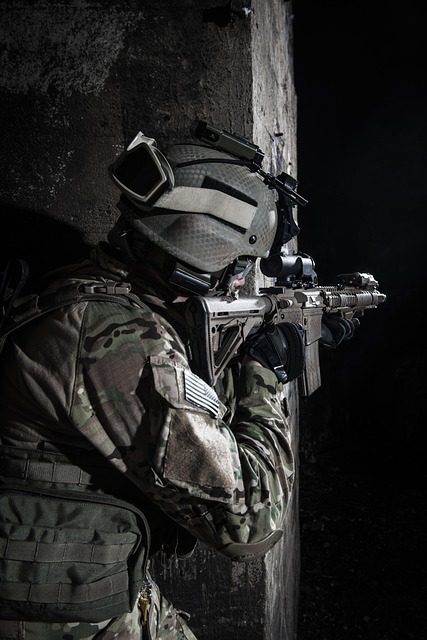
Modern civilian firearms are the product of decades of engineering refinement. And, a significant portion of that refinement traces directly back to military research and development.
When you hold a lightweight polymer-framed pistol, adjust a modular rifle stock, or look through a red dot sight, you are interacting with technology that was likely first conceived, tested, and proven in military environments before it ever reached the civilian market.
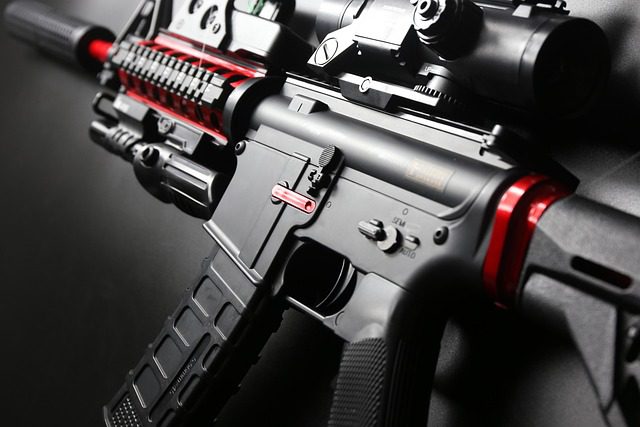
This connection between military and civilian firearms is not coincidental. It is the natural result of how innovation works under pressure. Military programs fund research that civilian manufacturers could never afford independently, and the battlefield acts as the most demanding quality-control process imaginable. What survives that process eventually finds its way into the hands of hunters, sport shooters, and responsible gun owners everywhere.
Understanding where this technology comes from helps buyers make smarter decisions, appreciate what they are purchasing, and develop a deeper respect for the engineering that goes into modern firearms.
The Battlefield as the World’s Toughest Testing Ground
No commercial testing environment can fully replicate what military firearms endure. For example, a rifle issued to soldiers must function reliably in the freezing mountains of Afghanistan, the humid jungles of Southeast Asia, the blowing sand of desert environments, and everywhere in between, often without access to cleaning equipment, spare parts, or ideal storage conditions.
This extreme demand created a culture of relentless engineering improvement within military procurement. Every weakness identified in the field became a problem that engineers were required to solve. Every failure in combat had real consequences, which meant that tolerances were tightened, materials were upgraded, and mechanisms were redesigned until they met standards that purely commercial development would rarely demand.
The result is a pipeline of proven innovation. Once a military firearms technology demonstrates reliable performance under the harshest real-world conditions, it becomes a natural candidate for adaptation into the civilian market, where the standards are still high, but the conditions are considerably less extreme.
Optics: From Battlefield Necessity to Everyday Advantage
Perhaps the most visible example of military technology crossing into civilian use is in optics and sighting systems. For most of firearms history, iron sights were the standard for both military and civilian use. That began changing significantly during the latter half of the twentieth century, as military programs invested heavily in improving how soldiers acquire and engage targets.
Red dot sights, holographic optics, and magnified rifle scopes were refined through military contracts and battlefield feedback. The requirements were demanding, optics needed to maintain zero after being dropped, function in rain and fog, hold up to the recoil of repeated firing, and allow shooters to acquire targets quickly under stress.
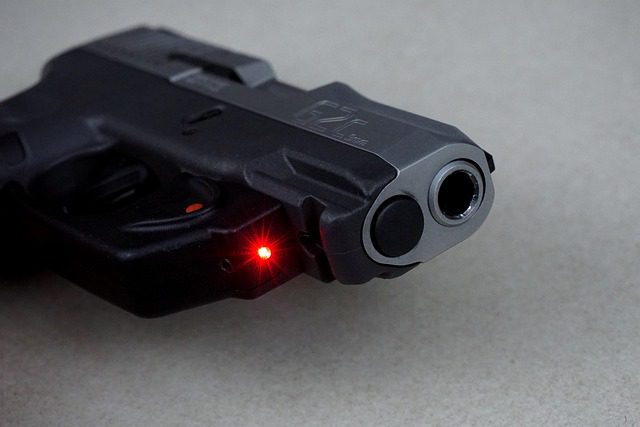
Civilian shooters today are the direct beneficiaries of that investment. Red dot sights that once cost thousands of dollars and were available only to special operations units are now affordable and widely accessible. Hunters benefit from long-range precision scopes developed with military accuracy standards in mind. Competitive shooters use optics that offer faster target acquisition than iron sights could ever provide.
The practical advantages are real and measurable, better low-light visibility, faster engagement at multiple distances, and improved confidence for users of all experience levels.
Lightweight Materials: Carrying Less Without Sacrificing Strength
Weight is one of the most persistent challenges in military equipment design. A soldier may carry a rifle for hours or days at a time, often alongside substantial loads of other gear. Every ounce removed from a firearm without compromising its strength or reliability is a genuine operational advantage.
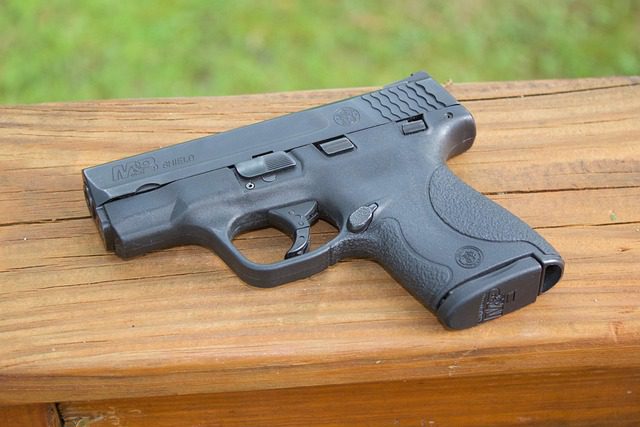
This imperative drove major advances in materials science as applied to firearms. Polymer frames, which are now standard in a wide range of civilian handguns, were developed and refined largely through military and law enforcement procurement programs. High-strength aluminum alloys replaced steel in components where full steel strength was unnecessary. Synthetic stocks replaced wood in rifles, reducing weight while improving resistance to moisture and temperature changes.
The civilian market absorbed these developments quickly. Today, a full-size service pistol may weigh considerably less than its steel-framed predecessors from several decades ago, without any reduction in durability or longevity. Hunting rifles are lighter and more comfortable to carry through the field. Defensive firearms are easier to handle for a broader range of users, including those with smaller frames or less upper body strength. These changes represent genuine improvements in usability, and understanding them is something many trusted firearms dealers help buyers do when evaluating their options in today’s market.

Modular Design: Adaptability Built Into the Platform
One of the most significant conceptual contributions of military firearms development to the civilian market is the idea of modularity, which is the design philosophy that a single firearm platform should be adaptable to different missions, users, and conditions by swapping or adjusting components rather than replacing the entire weapon.
The military value of this approach is straightforward. A rifle that can be configured with different barrel lengths, stock options, grip configurations, and accessory attachments serves multiple roles without requiring entirely separate procurement and training programs. Soldiers can adapt their equipment to the specific requirements of a given mission.
In the civilian market, this same philosophy has created an entire culture of customization. Modern sporting rifles allow users to adjust stock length and cheek weld to fit their body proportions. Handguns with interchangeable grip panels and backstraps can be configured to fit different hand sizes. Accessory rails allow users to attach lights, lasers, and other equipment based on intended use.
For the civilian shooter, this means a firearm that can genuinely grow with them, configured simply when they are new to the platform, and progressively refined as their experience and preferences develop. A hunting rifle can be adapted for different game or terrain. A defensive firearm can be configured specifically for the user’s needs and physical characteristics.
This flexibility, which traces directly to military design requirements, has fundamentally changed how civilian shooters relate to their equipment.
Hats and Caps for the outdoor lifestyle
-
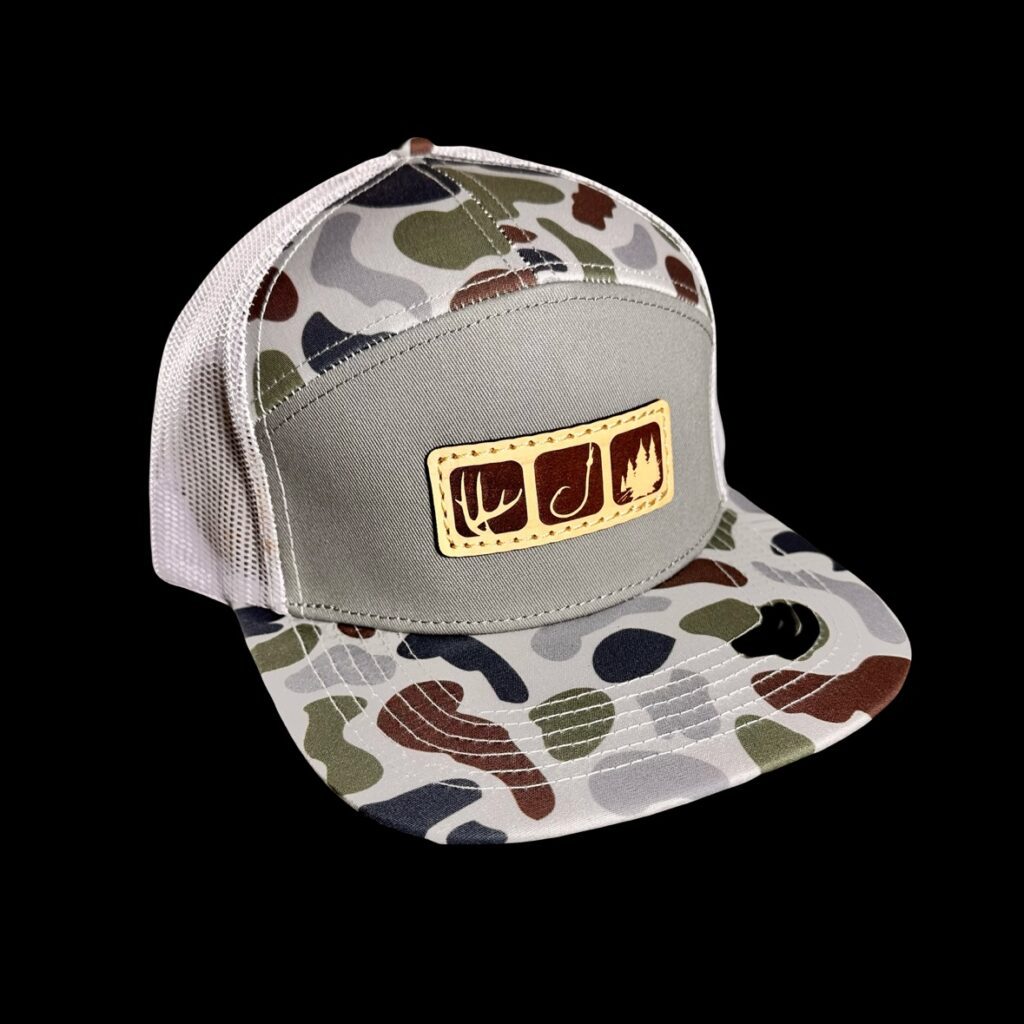
N1 Outdoors® Flagship TriBlock Brackish Camo Leather Patch 7-Panel Hat
$29.99 -

N1 Outdoors® HUNT. Mossy Oak Greenleaf & Olive Camo Leather Patch Trucker Hat
$29.99 -
N1 Logo Leather Patch Hat (Mossy Oak Bottomland)
Original price was: $26.99.$19.99Current price is: $19.99.
Reliability Standards: Expecting Consistent Performance
Military procurement does not accept unreliability. A firearm that fails to function when needed is worse than useless, and simply put, is a liability. The testing protocols that military firearms must pass before adoption are extensive, covering thousands of rounds under varied conditions, exposure to environmental stressors, and deliberate attempts to induce failures.
This culture of demanding reliability has shaped civilian expectations in powerful ways. Shooters today reasonably expect their firearms to function consistently across a wide range of conditions and ammunition types, with minimal maintenance. They expect that a firearm purchased from a reputable manufacturer will perform reliably for tens of thousands of rounds over many years of use.
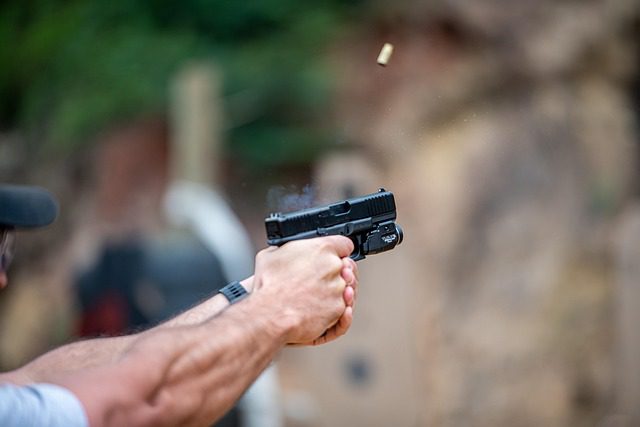
Civilian firearm expectations are largely met because the engineering standards that produce military-grade reliability have been carried into civilian manufacturing. The same metallurgy, the same quality control processes, and in many cases the same manufacturing facilities produce both military and civilian variants of many popular platforms.
For the civilian buyer, this translates to genuine peace of mind, whether that firearm is being used for competitive shooting, hunting, or home defense, the expectation of consistent performance is well-founded.
Safety Improvements Rooted in Discipline and Design
Military firearms culture places enormous emphasis on safety through both mechanical design and disciplined training. The consequences of negligent discharges in military environments are severe, which has driven continuous improvement in both how firearms are designed and how users are trained to handle them.
Modern civilian firearms reflect this emphasis directly. Firing mechanisms with multiple redundant safety features, improved trigger designs that reduce the risk of unintended discharge, and ergonomic layouts that naturally promote safe handling practices all have roots in military and law enforcement development programs.
Equally important is the influence of military training philosophy on civilian firearms education. The fundamental safety rules taught in civilian courses, treating every firearm as loaded, keeping the finger off the trigger until ready to fire, being aware of what lies beyond the targe, are drawn directly from military and law enforcement protocols. These are not arbitrary rules but hard-won lessons encoded into training after decades of real-world experience.
For those looking to deepen their understanding of how these design evolutions have shaped today’s market, there are companies that provide a thorough look at modern firearm categories and their practical applications, a useful resource for buyers seeking informed guidance.

The Distinction That Matters
While civilian firearms share technology with their military counterparts, they are designed for fundamentally different purposes. Civilian models are built to comply with legal standards, prioritize safe handling for users of varying experience levels, and serve applications like hunting, sport shooting, and personal defense.
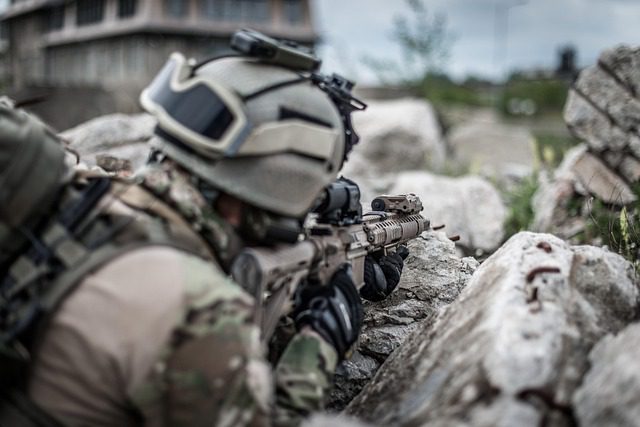
The military origins of the underlying technology do not change this distinction. They simply mean that the engineering behind civilian firearms has been pressure-tested in the most demanding environment imaginable before being refined for everyday use.
The Future of Civilian Firearms
The influence of military firearms technology on civilian gun design is deep, ongoing, and largely beneficial to the end user. Better optics, lighter materials, modular platforms, robust reliability standards, and improved safety features, all of these trace at least part of their development to military research and real-world battlefield feedback.
For civilian shooters, this history is worth understanding. It explains why modern firearms perform as well as they do, why certain design features have become standard, and why the gap between military-grade performance and civilian-accessible quality has narrowed dramatically over recent decades. As technology continues to advance, that pipeline from military innovation to civilian benefit shows no sign of slowing down.