
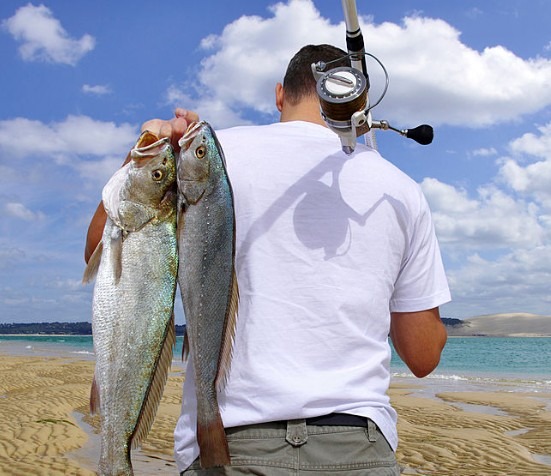
A week at the coast with some fishing rods sounds simple enough. Pack the truck, buy some bait, catch dinner and repeat.
But, then the bills start stacking up, and the “simple” and inexpensive trip you pictured seems to have turned into a dollar amount that you’d rather not look at.
The truth is, most families don’t overspend because they’re careless. They overspend because the various costs they incur arrive in pieces, spread across weeks, and no single piece feels big enough to question.
That’s the trap, and a fishing vacation is no different. It’s not one purchase. It’s forty or fifty small ones, and they land at different times from different placdes, which makes the total almost invisible until the statement shows up.

The fix to over-budget trips isn’t cutting corners until nobody enjoys it, or even skipping the trip altogether. The fix is knowing the real number before you commit, and then deciding how you’ll cover it.
What a Family Beach Fishing Trip Actually Costs
Prices ranges for beach trips can vary greatly depending on your desired fishing destination and how you travel. Still, the expenditure categories tend to be the same, and once you see them laid out, the guessing stops.
Getting There and Where To Stay
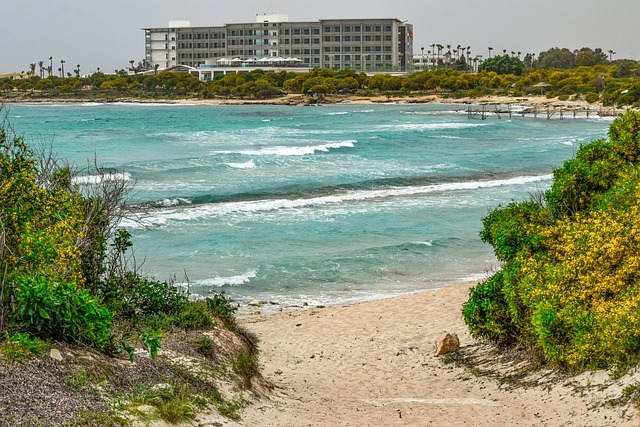
Lodging usually accounts for the largest share of the money you’ll spend. A beachfront rental during peak season can cost several times what the same place might charge in October. Hotels near public piers cost less, but still add up fast with a family of four or five. Campgrounds (as opposed to hotels) within walking distance of the surf are a more affordable option in most coastal states, though the popular ones tend to book out months ahead.
In addition to lodging, fuel cost varies depending on how far you’re traveling and what you’re towing. A boat trailer, for example, drops your gas mileage noticeably, and that gap compounds over a long haul. Also keep in mind that rental cars near beach towns tend to spike in Summer.
If you’re flying and taking fishing gear, keep in mind that checked rod tubes can carry their own fees as well. This may not sound impactful, but those type fees can add up quickly and cause unnecessary heartburn when not accounted for.
Licenses, Permits, and Access Fees
Every coastal state handles saltwater licensing differently. Some sell a short-term license for a few dollars. Others require an annual purchase even for a three-day trip, plus separate stamps for certain species. Kids under a set age usually fish free, but that age varies state-to-state as well. Be sure to check your destination state’s wildlife agency site before you leave for your trip, because buying at the counter the morning of is where people get surprised.
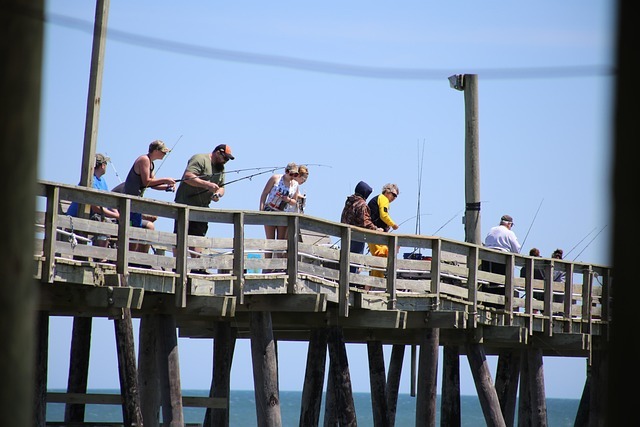
Pier access often costs extra. Some piers charge per person per day, while some offer a family rate. Others may even charge for spectators as well. Parking at public beach access points may run a daily or weekly rate on top of that, so plan accordingly.
Gear, Bait, and the Stuff You Forget
You already own rods. You probably don’t own everything else. Saltwater chews through terminal tackle in a way freshwater never does, so plan on hooks, weights, leader, and a few lost rigs. Live bait costs more than frozen and works better. Ice is a recurring purchase, not a one-time one.
Then there’s the forgotten list: sunscreen, a cooler that actually seals, a fillet knife, a beach cart because carrying gear across soft sand with two kids is miserable. These items rarely appear in anyone’s budget and reliably appear on the credit card.
Charters and Guided Trips
If you are craving saltwater fish and want offshore action, or if you’re new to a particular area, a half-day inshore fishing charter with an experienced guide is the fastest way to catch fish and learn the water. It’s also the single largest line item most families add to their trip. Charter rates vary by boat size, trip length, and whether or not the captain cleans your catch. Deposits are typically nonrefundable, and tipping the guides is customary.
Food and Everything Else
When it comes to budget planning, groceries for a rental kitchen beat restaurants by a wide margin. But, who wants to cook every night on vacation? So, go ahead and budget for a few meals out. Don’t forget to add account for some souvenirs and maybe even a rainy-day aquarium visit. And, don’t forget, ice cream is a treat, whether you planned for it or not… so plan for it!
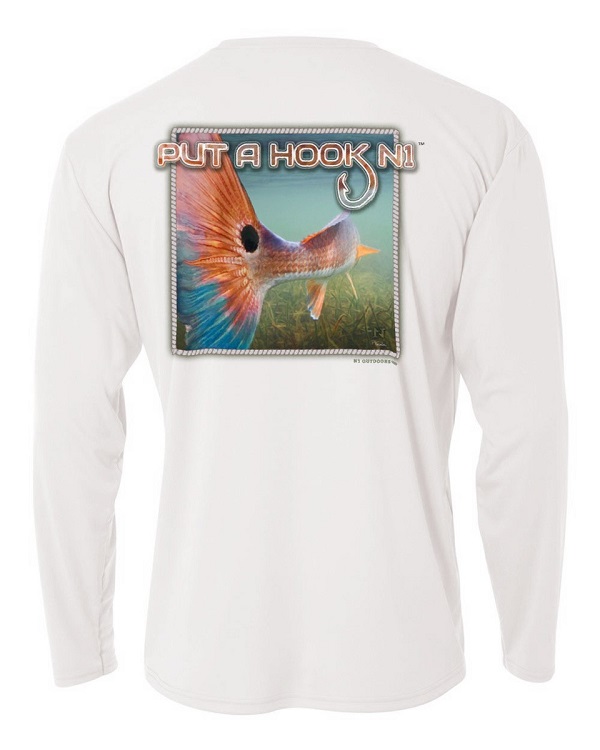
Performance Fishing Shirts For Saltwater Fishing
-
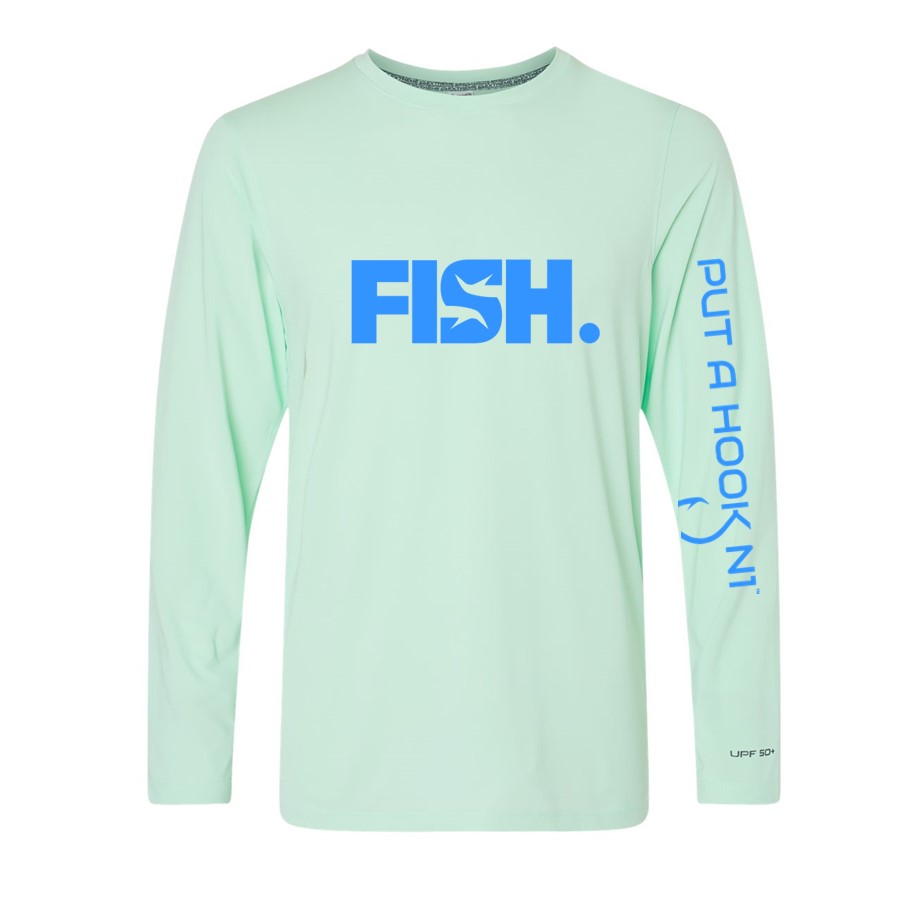
N1 Outdoors® FISH. Performance UPF 50+ Shirt
Price range: $37.99 through $39.99 -
Put a Hook N1™ UPF 50+ Redfish Performance Fishing Shirt
$15.00 -
N1 Outdoors® Royal Flush™ UPF 45+ Performance Fishing Shirt
$19.00

Why Your Bank Account Matters More Than Your Beach Fishing Trip Budget
You can build the perfect spreadsheet and still lose money on a beach fishing trip.
Why?
Because budgets tell you what you intend to spend. Your bank account determines what the spending actually costs you.
Here’s what quietly drains a vacation fund:
- Out-of-network ATM fees in beach towns, where the only machine in walking distance charges a premium.
- Overdraft charges when a hold from a rental company hits before your paycheck clears.
- Foreign transaction fees if you cross into another country for the fishing.
- Monthly maintenance fees on an account you barely think about the rest of the year.
None of these are large individually. However, together they can cover a tank of gas or a bag of bait (or several ice cream runs!)
The account you use for saving for your trip also decides how fast money moves. Getting paid early, splitting deposits automatically into a separate savings bucket, and earning real interest on money you’ve set aside, all change what’s available when the date to embark on your trip finally arrives.
A family that started stashing money in a high-yield account eight months out shows up with more than the family that saved the same amount in a standard checking account earning nothing. If fees have been chipping away at your balance, the question worth asking is “How do I get a bank account for this” — and the answer is easier to act on before a trip than after it.
Set up a dedicated account for the trip. Name it. Route a fixed amount into it every payday. Then, when you’re standing in line at the bait shop, you’ll know exactly what’s left without doing math in your head.

Paying for It Without the Regret
Once the number is real and the account is right, the last question is, how do you cover the gap?
Save Ahead in Small Increments
Divide the total dollar amount you’ll need for your trip by the number of paychecks between now and your departure date. That figure is your weekly deposit. It’s usually smaller than people expect, which is exactly why saving ahead works better than scrambling in the final month.
Use Credit Deliberately, Not Reflexively
A rewards card that earns on gas and travel is a reasonable tool if you pay the balance in full. Carrying a balance on that card changes the math, and not in your favor. According to the Consumer Financial Protection Bureau, credit card interest rates have climbed in recent years, which means a trip financed on plastic and paid off slowly can end up costing far more than the sticker price.
The most realistic fishing rod wraps ever!


Shift the Trip Date to Cut the Bill
Off-season travel is the biggest cost savings lever you have. Fall fishing on much of the Atlantic and Gulf coast is better than Summer anyway, and lodging drops sharply after Labor Day. The National Oceanic and Atmospheric Administration publishes tide and marine forecast data that helps you pick dates around good water rather than just around good rates.
Trim Without Ruining It
There are several other ways you can trim costs. Cook breakfast at the rental. Bring your own ice chest and fill it once. Skip the charter fishing trip one year and fish the pier instead. You can also buy tackle before you leave, where it’s cheaper than the shop next to the boat ramp or marina. Small choices, repeated across a week’s vacation, can protect the other parts of the trip your family will actually remember.
The Real Cost Is the One You Didn’t Plan For
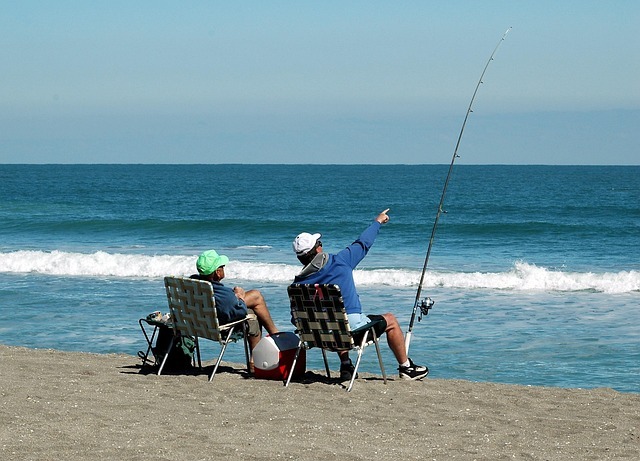
A fishing trip goes wrong financially in a predictable way. After all, nobody decides to overspend. They just make several separate decisions that they didn’t plan for — each one small and none of them tracked — and the grand total arrives later as a surprise.
Knowing what the trip costs might take a few hours to figure. Setting up an account that doesn’t work against you takes even less. Saving for your trip takes months, but only in amounts small enough to ignore. The families who come home happy aren’t the ones who spent the least. They’re the ones who knew what they were spending while they spent it, and who came back to a statement that matched the trip they remembered.
Have fun!