

Most hunters have a trip that sits in the back of their mind. It’s a trip that they think about more than they talk about. Maybe it’s a particular species, place, or season — and it never quite makes the calendar. But, the reason it doesn’t happen is almost never a lack of desire. It’s money, and more specifically, the way the money has to be paid: in chunks, all at once, at times that rarely line up with a normal paycheck.
That timing problem is what kills most dream hunts. A trip that would be perfectly affordable with payments spread across three years becomes impossible when the deposit has to be paid in a single month. So, the hunt gets pushed. Then pushed again. Eventually the outfitter retires, the tag draw odds shift, or the knees stop cooperating.
The fix isn’t a bigger income. It’s a dedicated fund, started early, treated like a bill rather than a leftover. Below is how that fund actually works — what goes into it, where it lives, and how to move the money when the time comes.
Why Dream Hunts Break Budgets

A big hunt doesn’t typically cost what people assume it costs. The advertised price is the floor, not the ceiling, and the gap between the two is where budgets fall apart.
The Real Cost Structure
Outfitter fees are only one line item on the overall trip cost. Add tags and licenses, which for non-resident or foreign hunters can run into four figures on their own. Add flights (often two legs plus a charter.) Add trophy fees that only apply if you’re successful, which means you’re budgeting for an outcome you’re actively hoping for. Then taxidermy, shipping, gear you don’t own yet, tips, and the days of work you won’t be paid for.
Is reality setting in?
The total is frequently double the number on the brochure. So, hunters who budget only for the brochure’s advertised cost end up either canceling late or putting the difference on a credit card at 22% interest, which turns a two-week trip into a two-year debt.
The Deposit Timeline
Here’s the part nobody mentions until you’re in it. Reputable outfitters book eighteen months to three years out. They want a deposit — commonly 25% to 50% — at booking, with the balance due 60 to 90 days before arrival. For foreign hunts, some countries require proof of funds or prepaid permits well ahead of that.
So, the money isn’t due when you go. It’s due long before, in chunks, on someone else’s schedule. A fund that assumes a single payment at departure is already wrong.
Building the Fund
Once you accept that the money is needed early and in stages, the saving strategy becomes obvious. You’re not saving for a trip. You’re saving for a payment calendar.
Start From the Date Backward
Pick a target year. Pick a rough total, then add 30% for the things you’ll forget. Divide by the number of months between now and the first deposit — not the departure date.
A $15,000 Alaska hunt three years out is roughly $415 a month if you’re saving toward departure. But if the deposit is due in fourteen months, the first $5,000 needs to be there far sooner than the math suggests. Front-load accordingly.
Automate It, Then Ignore It
Set the payment transfer for the day after payday. Money that sits in checking gets spent on things that feel urgent in the moment and forgettable by Friday. The transfer should happen before you see the balance.
Keep the hunting trip account separate and give it a name. Behavioral research on mental accounting — the tendency to treat identical dollars differently depending on how we label them — is well documented, and it works in your favor here. A savings account named “New Zealand tahr” gets raided far less often than one named “Savings 2.”
Choose the Right Account
This money has a job and a deadline, which rules out anything volatile. For a trip more than a year out, a high-yield savings account or short-term CD keeps the balance liquid while still earning something. The FDIC’s insurance guidelines are worth a quick read if you’re spreading larger amounts across institutions.
Avoid the temptation to invest hunt money in the market. A 20% drawdown eight months before a nonrefundable balance is due is not a risk worth taking for a couple hundred dollars in upside.
Feed It From More Than One Source
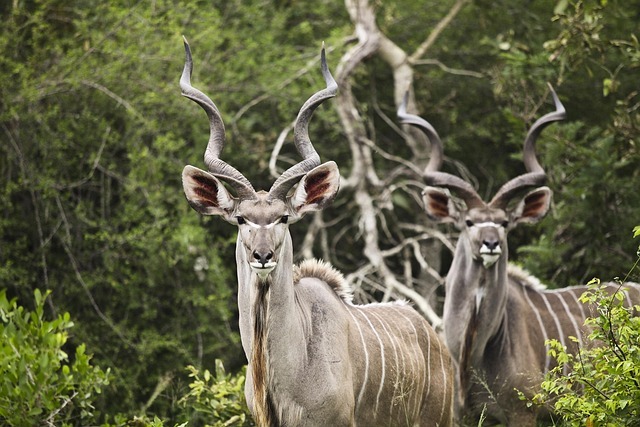
Monthly contributions are the base of the savings for your dream hunt. The accelerators come from elsewhere: tax refunds, work bonuses, the proceeds from selling gear you stopped using three seasons ago, etc. Some hunters even route overtime pay straight into the fund. Others put a fixed percentage of every side job into it. Small amounts matter more than you might realize. A hundred dollars a month for thirty months is three thousand dollars (amazing math skills here) — often the entire deposit.
Paying Outfitters Overseas
International hunts add a layer that domestic trips don’t have, and it’s the layer most hunters underestimate. For example, outfitters in Namibia, Argentina, or Kyrgyzstan need to be paid in their currency, through their bank, on their timeline.
What Traditional Banks Charge
Wire transfers through a typical retail bank carry a flat fee, usually $35 to $50, per outgoing wire. That’s the visible cost. The larger, quieter cost is the exchange rate markup — banks typically build 2% to 4% above the mid-market rate into the conversion.
On a $12,000 payment, a 3% spread is $360. Add two wires and you’ve lost more than $450 before the outfitter sees a cent. Intermediary banks can skim their own fees in transit, which means the amount that arrives may be less than the amount your outfitter expected — a genuinely awkward conversation to have from another continent.
Bowhunting and Archery Tees for die-hard bowhunters
-
Just Pass’N Through™ Tee (featuring Magnus Black Hornet Ser-Razor Broadhead)
$15.00 -
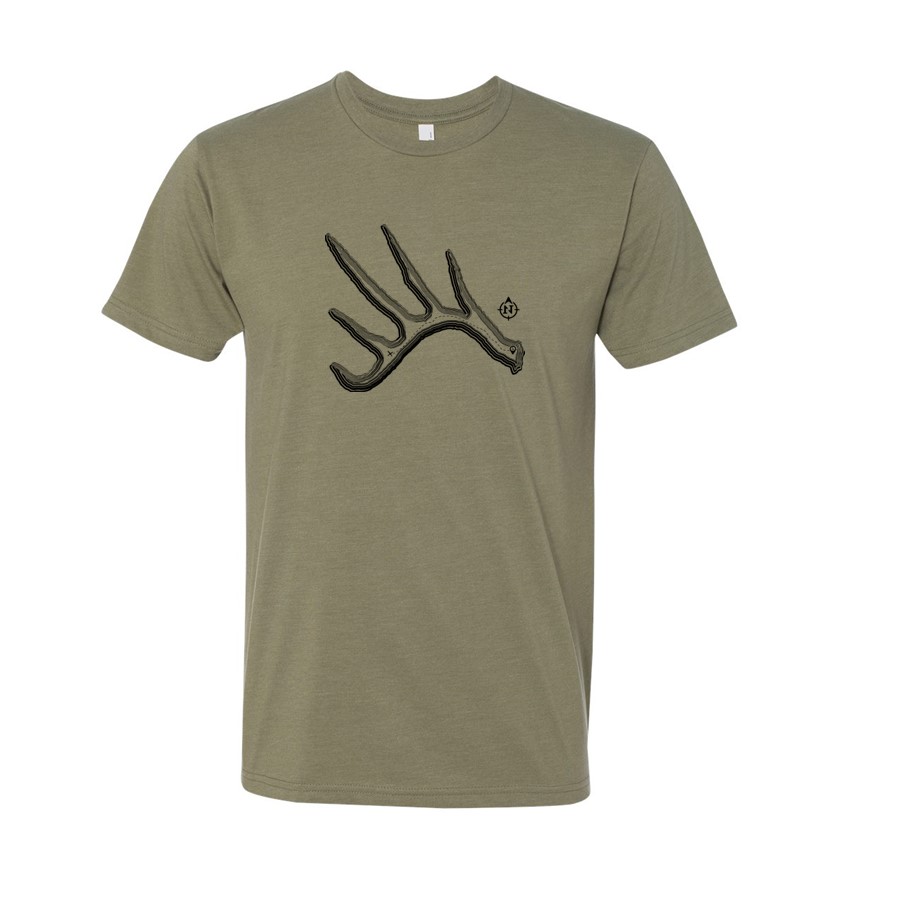
N1 Outdoors® Tine Lines™ Whitetail Deer Antler Tee
Price range: $26.99 through $29.99 -
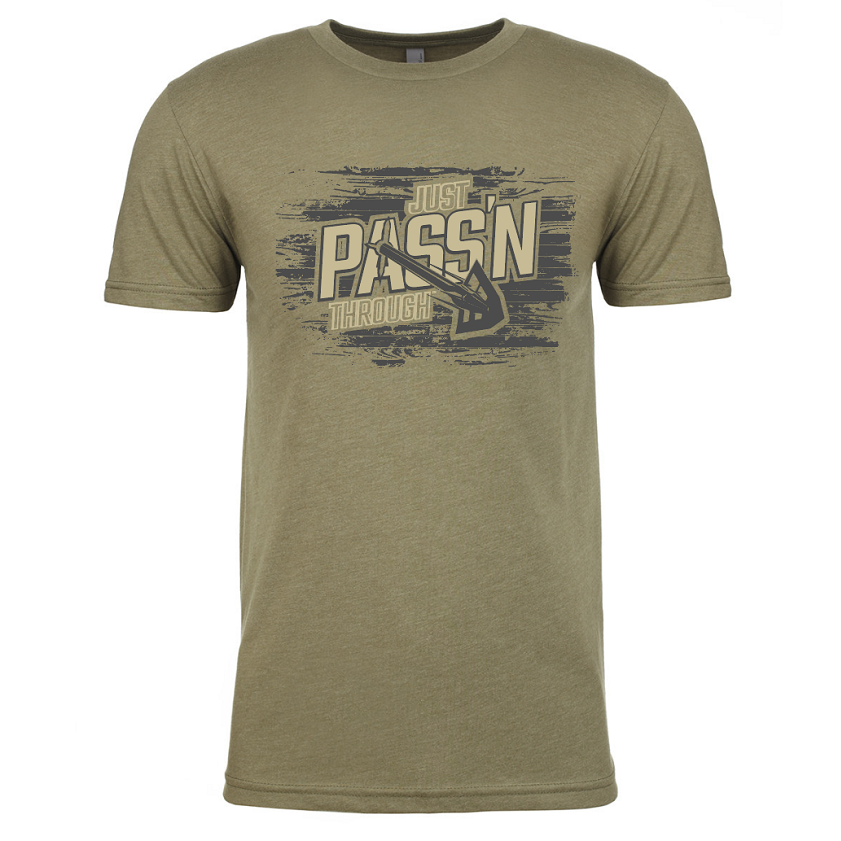
Just Pass’N Through™ Tee featuring Iron Will (Various Colors)
Price range: $24.99 through $28.99
Cheaper Ways to Move Money
Comparing providers before the first deposit is due is the single highest-return hour of planning in the whole process. Services built to send money abroad generally offer tighter exchange rates and clearer fee structures than a legacy wire, and the difference on a five-figure transfer can cover your flights.
Check the total landed cost, not the headline fee. Ask what rate you’re actually getting and compare it against the mid-market rate, which you can look up on any currency site. Be sure to confirm delivery time, since some hunts require cleared funds by a hard date. Send a small test transfer first if the relationship is new — outfitters deal with this constantly and won’t find the request strange.
Currency Timing and Documentation
Exchange rates move, and a trip booked three years out is exposed to that movement. Some hunters convert in tranches to average out the rate rather than betting everything on one day’s number.
Be sure to keep records of every transfer. Large international payments can trigger reporting requirements, and the IRS guidance on foreign financial accounts is worth reviewing if you’re holding funds overseas rather than simply sending them. Also be sure to save confirmations, receipts, and correspondence in one folder.

The Fund Outlives the Hunt
Something happens once the account exists. The trip stops being hypothetical.
Hunters with a funded account research harder, ask outfitters better questions, and book earlier — which usually means better dates and better animals. The reality is that having the fund changes behavior, not just the balance.
And when the hunt is over, the account is still there. Most people who build one keep it running, because the next trip is already forming in the back of their mind. After all, the only thing better than a dream hunt… is TWO!
Dream Big, But Start Small
When it comes to dream hunts, whether it’s hunting game in Africa, or a trip stateside, the obstacle isn’t always the price. It’s the shape of the payment — sudden, large, and badly timed against ordinary income. Break that into monthly pieces, put it somewhere it earns a little and stays out of reach, and plan for how it will cross borders when the invoice arrives… Do that, and the hunt moves from the someday pile onto the calendar.
The packing? Now, that’s the easy part!