
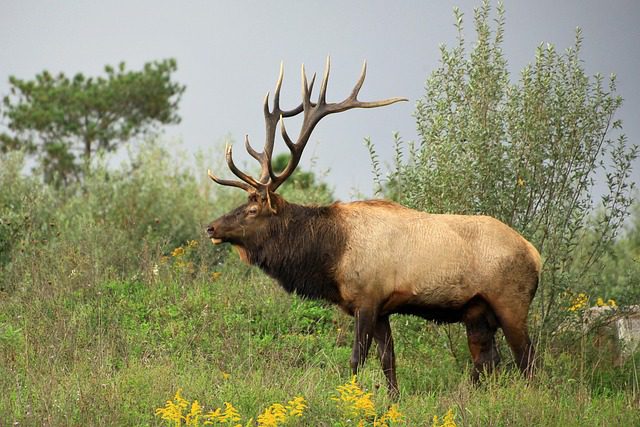
Hunting has long been a controversial topical between hunters and and non-hunters. Some view hunting as useless and harmful to wildlife and the ecosystem. However, proponents of hunting argue that this view is incorrect, and that the truth about hunting is much more complicated, and a very important part of conservation. In this article, we will explore how hunting relates to conservation and can, in fact, aid in protecting our environment.
The Role of Hunting in Population Management
There are several reasons why some consider hunting to be a viable option when considering methods of conserving wildlife. One of the most prominent reasons is that hunting provides an opportunity to manage wildlife populations.

When certain species of wild game become overpopulated, they can cause excessive grazing, damage to their native habitat, and competition with other species for resources. So, hunting actually allows for the prevention of overpopulation of wild game, helping to mitigate damage to their native habitat.
As an example, a study completed by The Wildlife Society indicated that hunting could be used as an alternative method of regulation to culling or relocating animals. Furthermore, the same study indicated that managed hunting was nearly as effective as either culling or relocation, specifically in reducing deer populations.
Habitat Improvement and Maintenance
Habitat restoration and protection are two more areas in which hunting provides support for wildlife conservation. In addition to funding for conservation work being made available to a number of species based on money generated by hunting revenue, there also is the creation of funds through hunter’s license fees and permits. These fees and permits are able to fund both the conservation and restoration of a variety of species’ and ecosystem’s habitats.

“Conservation Hunting,” is where a percentage of the total amount paid by each hunter will be invested in conservation efforts. A few nations, including Canada and South Africa, have developed models similar to this. Both were successful in using the revenue produced by each country’s hunting industry to develop conservation initiatives.
More Hunting Tees You’ll Love!
-
N1 Outdoors® Sunrise In Tineville™ Tee
Original price was: $28.99.$19.00Current price is: $19.00. -
N1 Outdoors® Tine Lines™ Elk Antler Tee
Price range: $26.99 through $29.99 -

The N1 Outdoors® “Rackingham™” Whitetail Tee
Price range: $28.99 through $32.99
Economic Benefits and Job Creation
In addition to improving wildlife habitat, there are many economic benefits associated with hunting as well. The money generated from hunting tourism supports local economies and provides employment to individuals working within the hunting industry. As an example, research completed by the National Rifle Association (NRA) found that hunting tourism generates over $10 billion in total economic output per year in the United States alone.
Hunting also creates various job opportunities throughout the hunting industry. These include professional guides, outfitters, and others.

A report conducted by the Outdoor Foundation reported that the hunting industry employed approximately 700,000 employees across the United States, making the hunting industry one of the largest industries in the U.S.
Then, there are jobs and revenue from places you might not expect. Some international hunters will spend money finding and comparing travel insurance, in order to ensure proper coverage for unexpected risks during outdoor trips, especially those involving remote or high-risk environments.

Sustainable Use of Resources
For ecosystems to remain healthy, their natural resources must be utilized responsibly. Hunting enables us to utilize our natural resources for extended periods by maintaining ecosystems at a level where they are balanced and working effectively. As a result of hunting regulations, wild game populations of individual species can be controlled, preventing some of the negative effects such as over-grazing, and habitat degradation.
Comparing Conservation Methods
Although some individuals might feel that wildlife sanctuaries and reservations are more effective methods of conservation, research suggests that hunting has proven itself to be as effective as these other forms of conservation. The International Union for Conservation of Nature (IUCN) illustrates this point, saying that that well-managed hunting programs have proven themselves to be as effective as other conservation programs at lowering the rate of extinction.
Addressing Concerns and Misconceptions
While hunting may have many benefits for conservation, there are also some significant concerns and myths regarding hunting. The three main concerns about hunting are:
- Animal Welfare: Many people believe that hunting is inhumane to animals. On the other hand, many states regulate how hunters treat the animals they hunt and provide regulations to ensure humane treatment for the animals being hunted.
- Overhunting: Some people feel that hunting will cause so much death among wild animals that a great deal of harm to the ecosystem. However, regulated hunting does in fact reduce overhunting, and helps keep population levels at a healthy number.
- Effectiveness of Conservation Methods: There are those who do not think hunting is a viable means of conservation. They believe that sanctuaries and wildlife reserves are better means of conservation. Research suggests that if managed correctly, hunting can be a powerful tool for conservation.
Conclusion
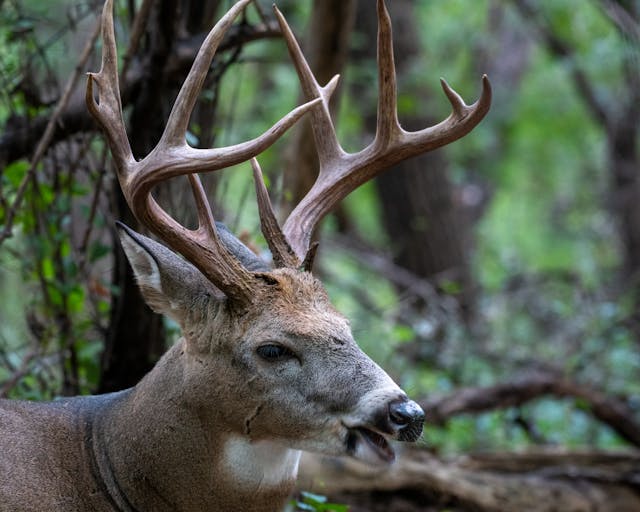
Hunting has its place in the world when it comes to conserving species, but this is also an area with much misconception and controversy.
Because hunting is generally regulated by laws and regulations, it helps provide many positive effects on wildlife, including maintaining healthy populations, improving and protecting habitats, providing economic stimulus through local economies (i.e. hunting camps). This creates jobs for people working directly or indirectly with hunting tourism, and providing an incentive to hunters to help manage and sustainably use natural resources.