
So, you’re wondering if it’s legal to hunt with a suppressor in your state. Well, firstly, a suppressor can be legal to own but still be restricted for a particular hunt. So, the answer to the question depends on federal rules, state firearm laws, species-specific methods, and where you plan to hunt.
Here is what to verify before hunting with one.
Federal Rules Every Suppressor Owner Should Understand
Federal regulations governing suppressors have changed, so older articles explaining the approval, registration, and tax-stamp process may not reflect the current federal position. However, suppressors remain subject to federal firearms laws, and state or local restrictions may still limit their possession or use. Hunters should also consider where they plan to hunt, as public lands, local jurisdictions, and specific hunting seasons may have additional requirements.
For background on these changes, see this guide to the NFA tax stamp for suppressors. Before heading out, consult the ATF’s updated NFA transfer guidance and check the hunting regulations in your state. Pay particular attention to rules covering your chosen species, permitted firearms, ammunition type, and hunting location to avoid unexpected restrictions.
How State Hunting Laws Vary
Suppressor laws vary from state to state. Some states allow hunters to use them in the field, while others impose restrictions on possession or hunting use. Texas, for example, permits suppressors for taking wildlife, provided hunters follow applicable federal, state, and local regulations. You can review the state’s Hunting Means and Methods rules.
Before planning a hunting trip, you should check whether the state you will be hunting in allows suppressor ownership and use. Do not assume that permission to own one automatically means you can use it for every type of hunt. Certain species, hunting seasons, public lands, and firearm requirements may have additional restrictions, so review the latest regulations before heading into the field.
Check the State, Species, and Season Separately
Start with your state wildlife agency’s current hunting regulations, then check state statutes governing firearm and suppressor possession. Search for “silencer,” “suppressor,” and “means of take.” Don’t just read the general firearms section, but also the rules for your species and season.
A state may allow suppressors generally while limiting the firearm or ammunition used for a particular hunt. Texas, for example, restricts East Zone wild turkey hunting to shotguns and limits deer hunting during muzzleloader-only seasons to muzzleloading firearms. A suppressor does not make an otherwise prohibited firearm legal for that season. Bird hunters should also confirm special shotgun and ammunition rules. N1 Outdoors’ guide to choosing a hunting shotgun setup provides related equipment context.
Epic Hunting Tees For Hunting Fanatics
-
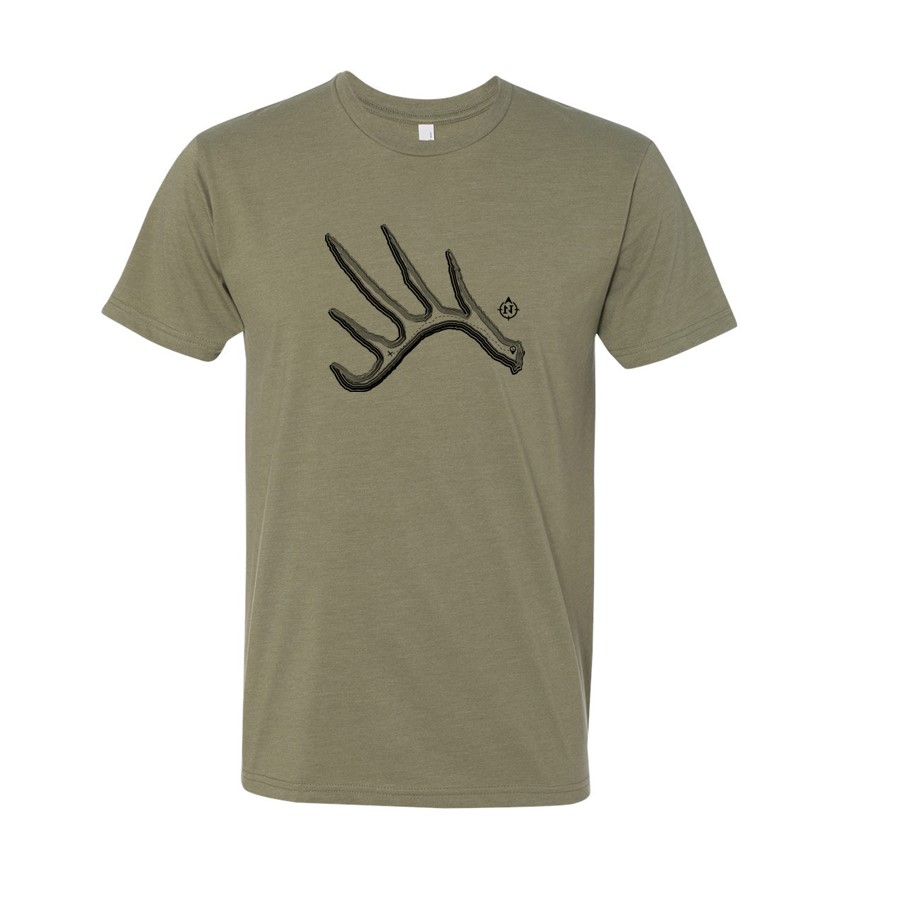
N1 Outdoors® Tine Lines™ Whitetail Deer Antler Tee
Price range: $26.99 through $29.99 -
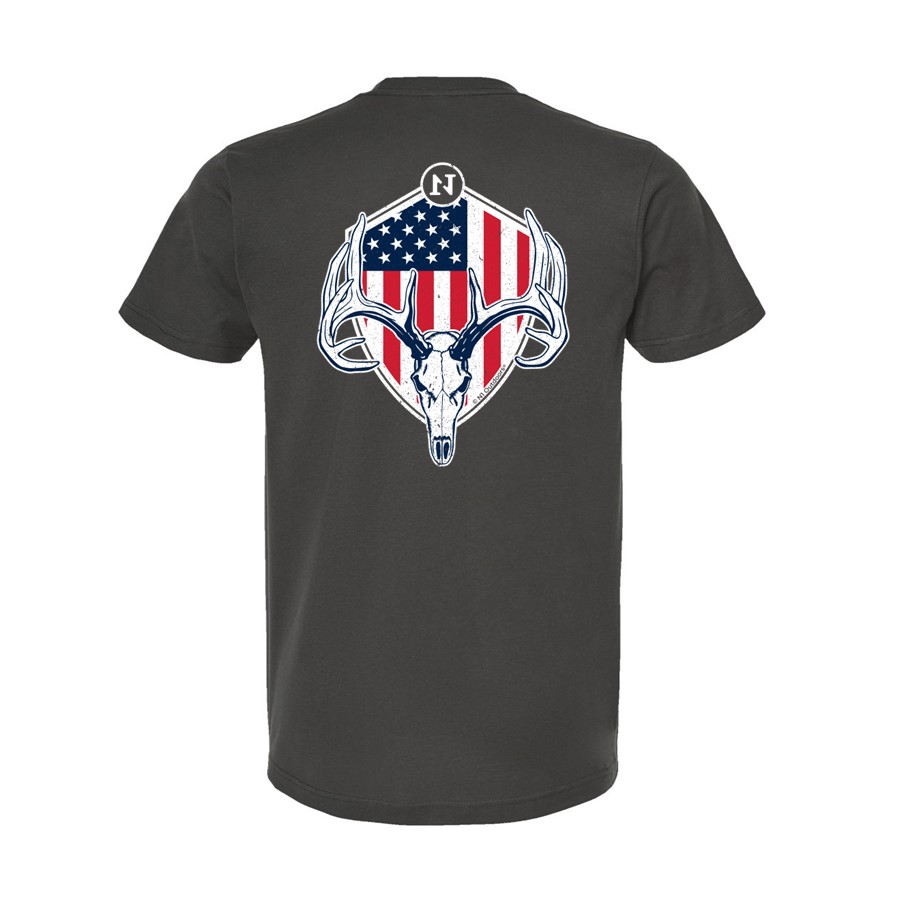
N1 Outdoors® “USA Antler” Tee
Price range: $24.99 through $28.99 -
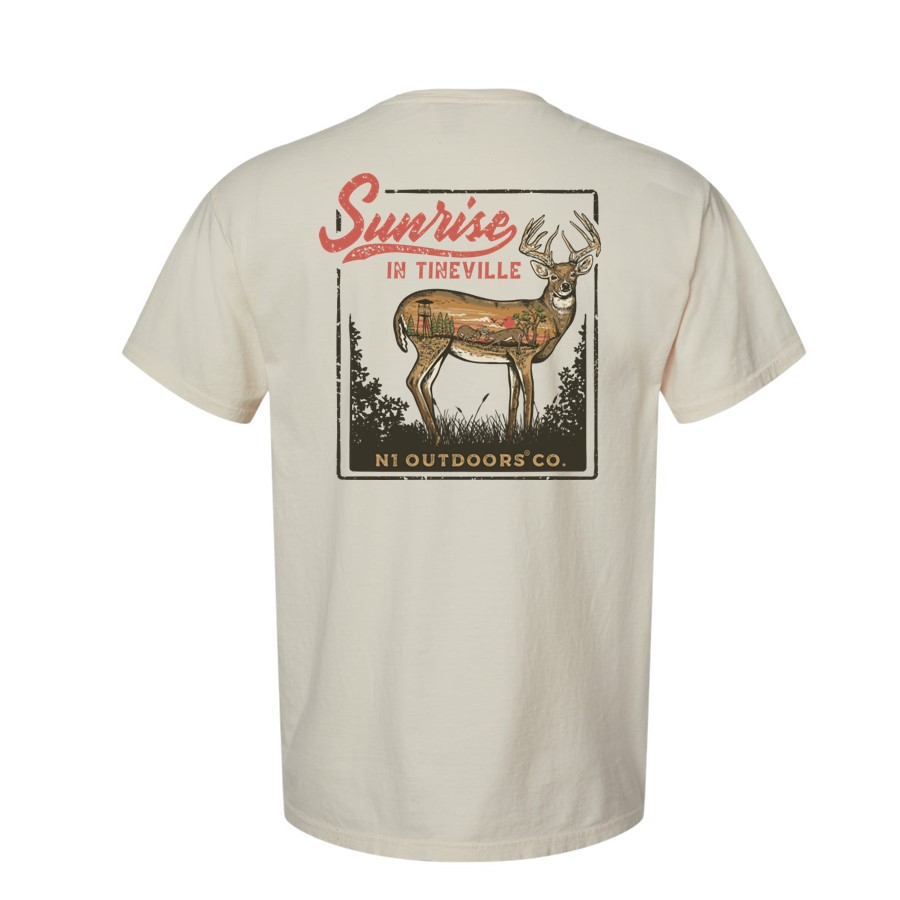
N1 Outdoors® Sunrise In Tineville™ Tee
Original price was: $28.99.$19.00Current price is: $19.00.
What to Verify Before the Season
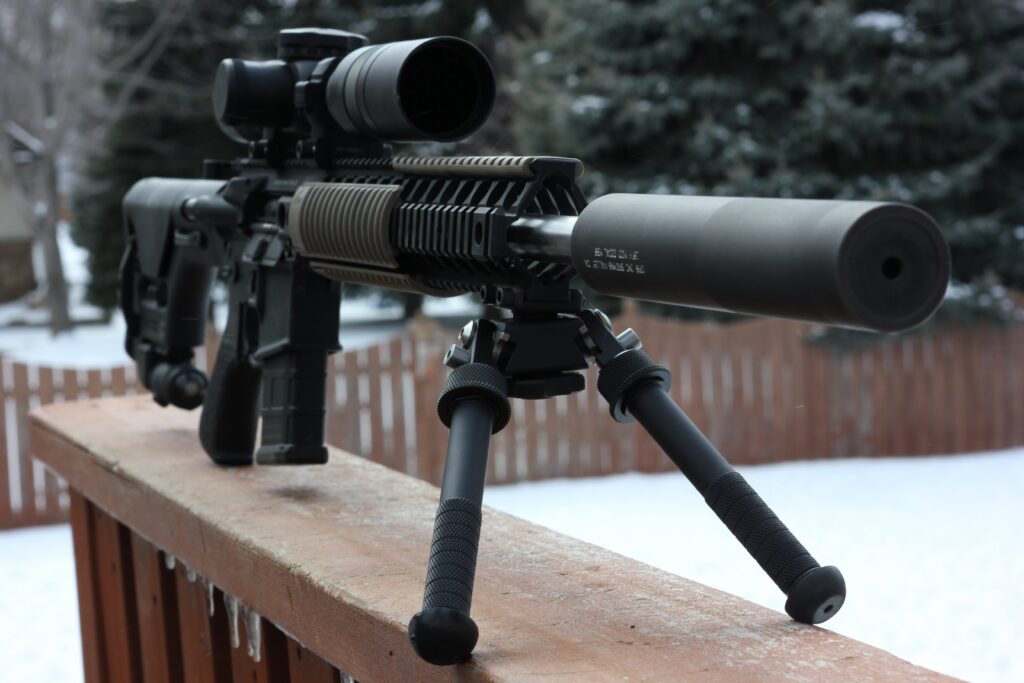
Confirm that possession of a suppressor is lawful where you live and hunt, including on public land and in any city or county with additional rules. Check the current season’s rules and regulations for the species, weapon type, ammunition, public-land area, and special hunt conditions. If you cross state lines, review the laws of both states and any transport requirements that apply.
Keep the current regulation page handy and ask the state wildlife agency about any rules you are unclear about.
A quick call or written confirmation from the relevant wildlife agency before opening day is safer than relying on an old summary. For federal questions, consult ATF directly, as this article is general information, not legal advice.

Before You Hunt With A Suppressor…
Before heading out to hunt with a suppressor, take a few minutes to check your state’s hunting regulations and any restrictions that apply to your firearm, hunting season, and location. Laws can vary, and staying informed helps you hunt responsibly and avoid unnecessary legal trouble.
And, above all, be safe!