
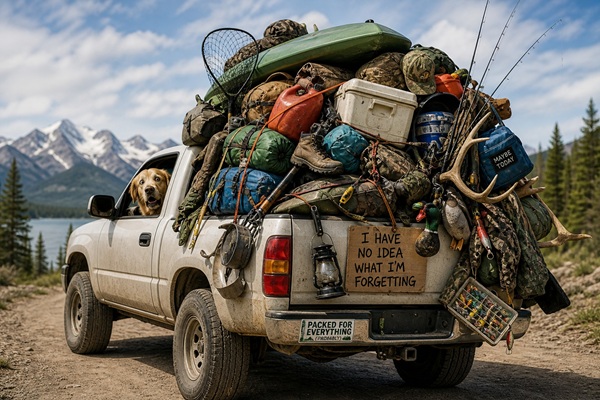
The truck is packed, the coffee’s hot, and somebody’s already asking where the headlamp went.
That’s usually when the digging starts.
A cooler gets dragged out. A camp chair tips over. The tackle bag is under a pair of muddy boots, and the one thing you need is buried beneath everything you probably won’t touch until tomorrow.
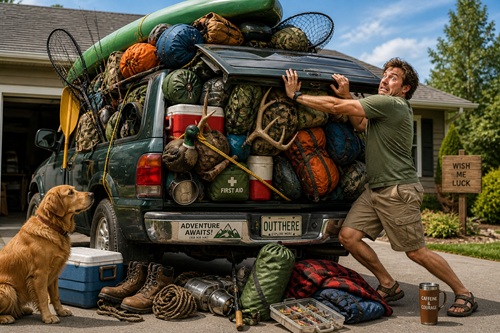
Most outdoor gear problems don’t start in the woods, on the water, or at camp. They start in the driveway, when everything gets tossed into the truck with more hope than strategy. A better packing system saves time, protects expensive gear, and keeps the first five minutes of a trip from turning into a tailgate excavation.
Stop Treating The Truck Like One Big Gear Bag
A truck bed can haul a lot, but it’s a lousy filing cabinet.
When gear rides loose, the heavy stuff wins. Coolers slide into tackle boxes. Camp chairs scrape against rods. Boots crush gloves, calls, snacks, and whatever got tossed in last. By the time you arrive, half the load has shifted, and the other half is hiding under something wet, muddy, or sharp.
The fix starts with giving each category of gear its own place. Fishing reels need protection. Optics need padding. First-aid supplies need to be easy to find. Smaller activity gear, from dry bags to pickleball paddle bags, works better when it isn’t bouncing around loose with the rest of the load.
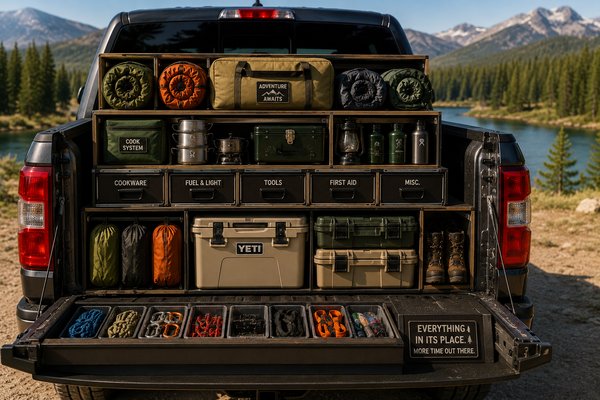
Every trip doesn’t have to have an intricately complicated setup. But, the gear you care about should have a dedicated home before it ever hits the truck. The less random your packing is, the less time you’ll spend digging when you should already be outside.
Sort Gear By Mission, Not By Size
Packing by size feels efficient until you need one small item buried under three large ones.
A better system is to sort gear by what it does. Keep the fishing kit together. Keep the camping kit together. Keep hunting gear separate from food, wet clothes, and family recreation gear. If you hike often, build a small trail bag that stays ready instead of rebuilding it from scratch every time.
This also helps you spot what’s missing before you leave. If the cooking bin has fuel, matches, utensils, and a clean pan, you’re set. If the fishing bag has pliers, line, lures, a license, and a small towel, it can go straight from the garage to the truck.
When each activity has its own setup, you grab what you need and go. That beats searching through a pile of “outdoor stuff” every single time.
Outdoor Lifestyle Tees You’ll Love!
-
N1 Outdoors® CAMP. Tee (Various Colors)
$19.00 -
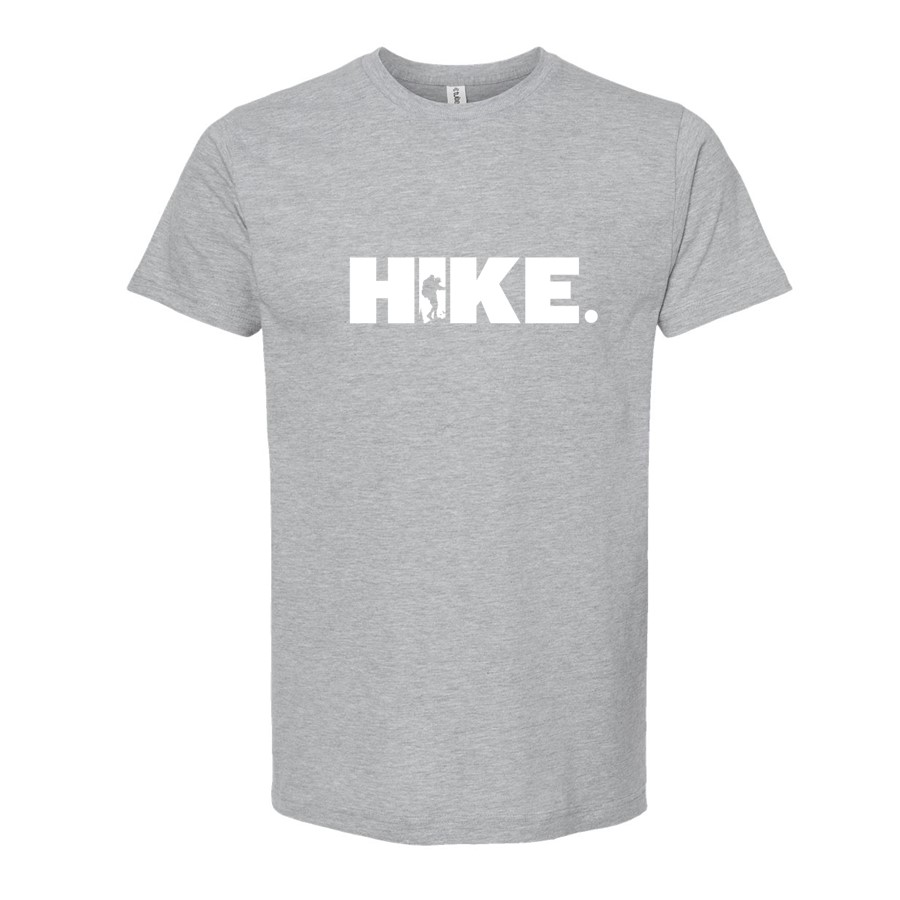
N1 Outdoors® HIKE. Tee
$19.00 -
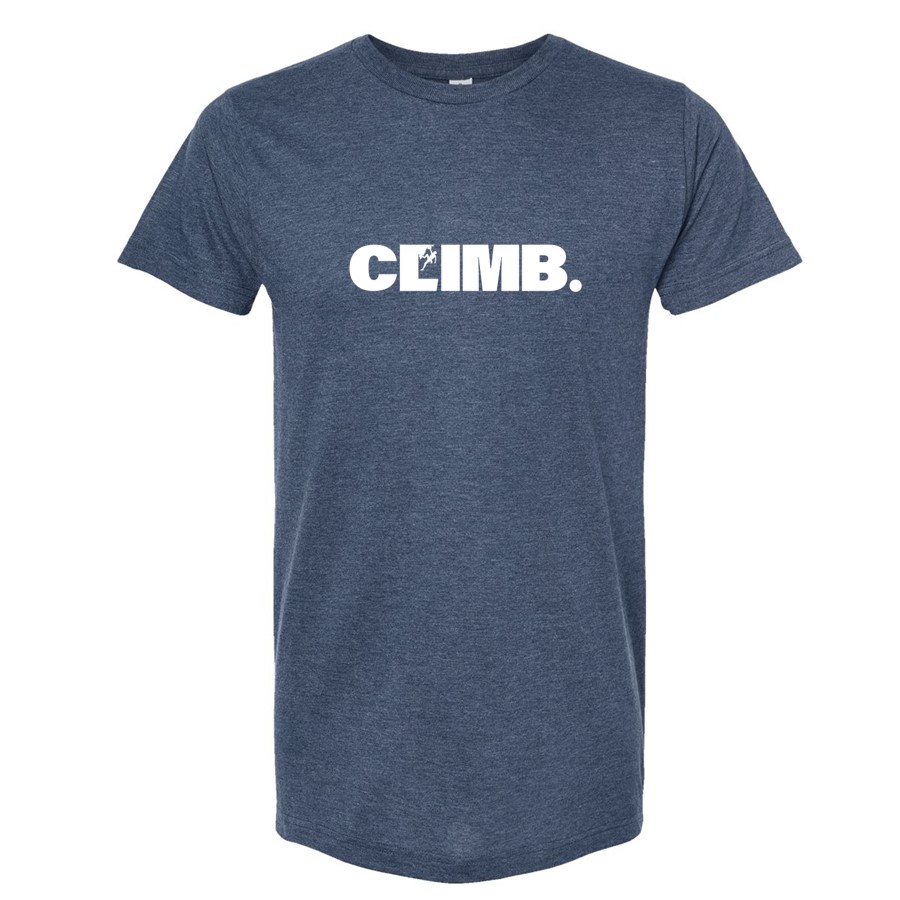
N1 Outdoors® CLIMB. Tee
$19.00
Build A First-Grab Layer
Some gear needs to be reachable before the rest of the truck gets unpacked.
Think of this as your first-grab layer. It should include the items you might need right away: headlamp, knife, gloves, rain jacket, first-aid kit, water, snacks, licenses, batteries, and anything else that solves a problem fast.
This layer should never be buried under coolers, tents, decoy bags, or muddy boots. Keep it near the tailgate, in the cab, or in one clearly marked bag that everyone knows not to cover.
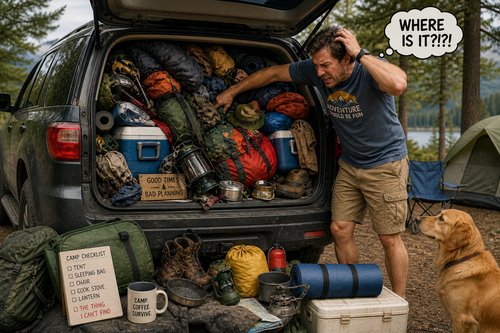
A good first-grab layer keeps small problems small. When the weather turns, someone gets cut, or you pull into camp after dark, you won’t have to unload the whole truck to find the one thing that matters.
Protect The Breakables And The Can’t-Lose Items
Every truck has a danger zone. It’s where expensive gear meets gravity, sharp edges, loose tools, and whatever rolled out from under the seat.
Optics, electronics, fishing reels, calls, knives, and small accessories deserve more than a gap between the cooler and a duffel bag. Use padded cases, sleeves, dry bags, zip pouches, and hard boxes where they make sense. The point isn’t to baby your gear. It’s to keep one bad bump from ruining the part of the trip you came for.
The same goes for items small enough to disappear. Tags, licenses, batteries, fire starters, headlamps, and multitools should live in the same place every time. Label the pouch if you have to. There’s no prize for remembering which black bag holds the important stuff.
Good storage keeps fragile gear protected and critical gear findable. That’s the whole game.

Keep Safety Gear Separate From Comfort Gear
Comfort gear can wait. Safety gear can’t.
There’s nothing wrong with packing chairs, games, extra hoodies, camp pillows, and snacks. Those things make the trip better. But they shouldn’t sit on top of the gear you might need when the weather turns, someone gets hurt, or you’re trying to find your way back after dark.
Keep first-aid supplies, water, fire starters, a light source, navigation tools, sun protection, and extra layers in a place that’s easy to reach. A good baseline is the 10 essentials, which covers the kind of gear that helps when a simple outing gets sideways.
Here’s the test: if you had to find your emergency kit in the dark, with cold hands, could you do it without emptying the truck? If the answer is no, it needs a better spot.
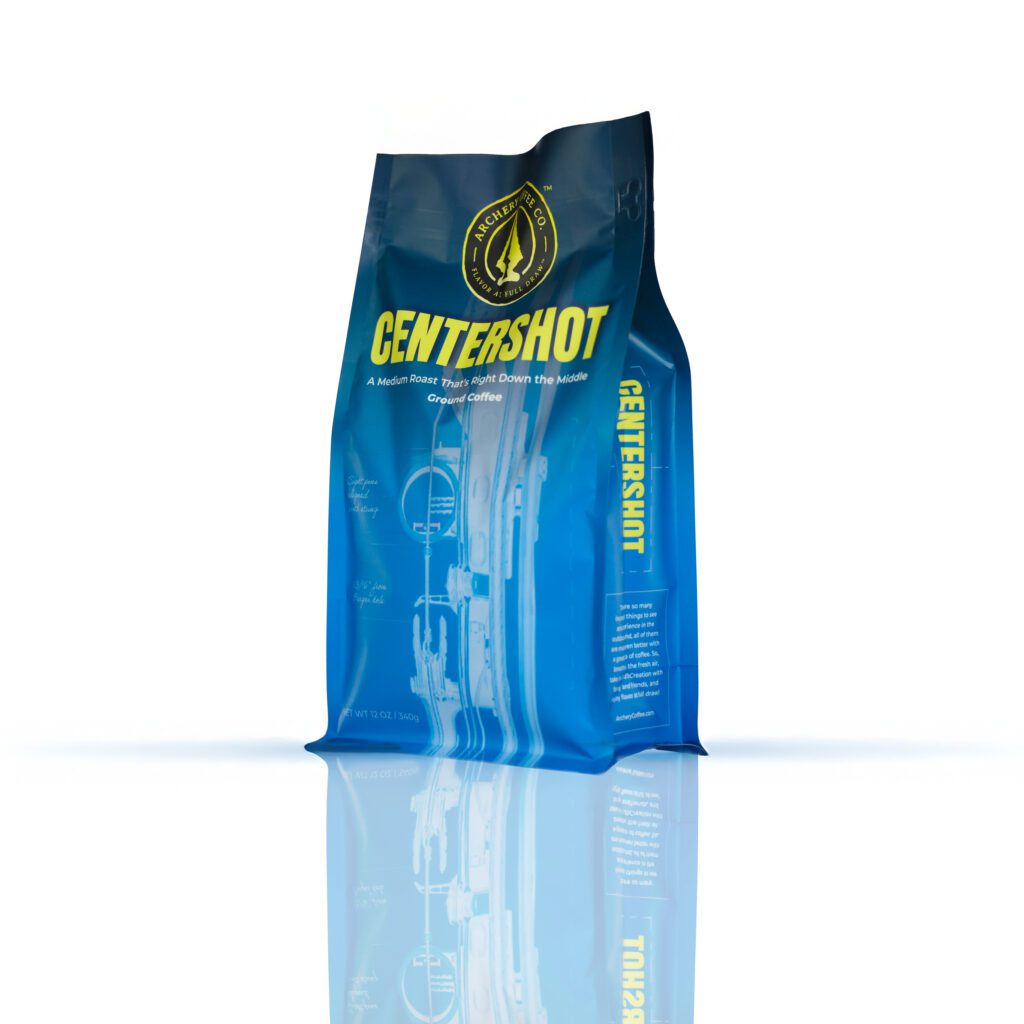
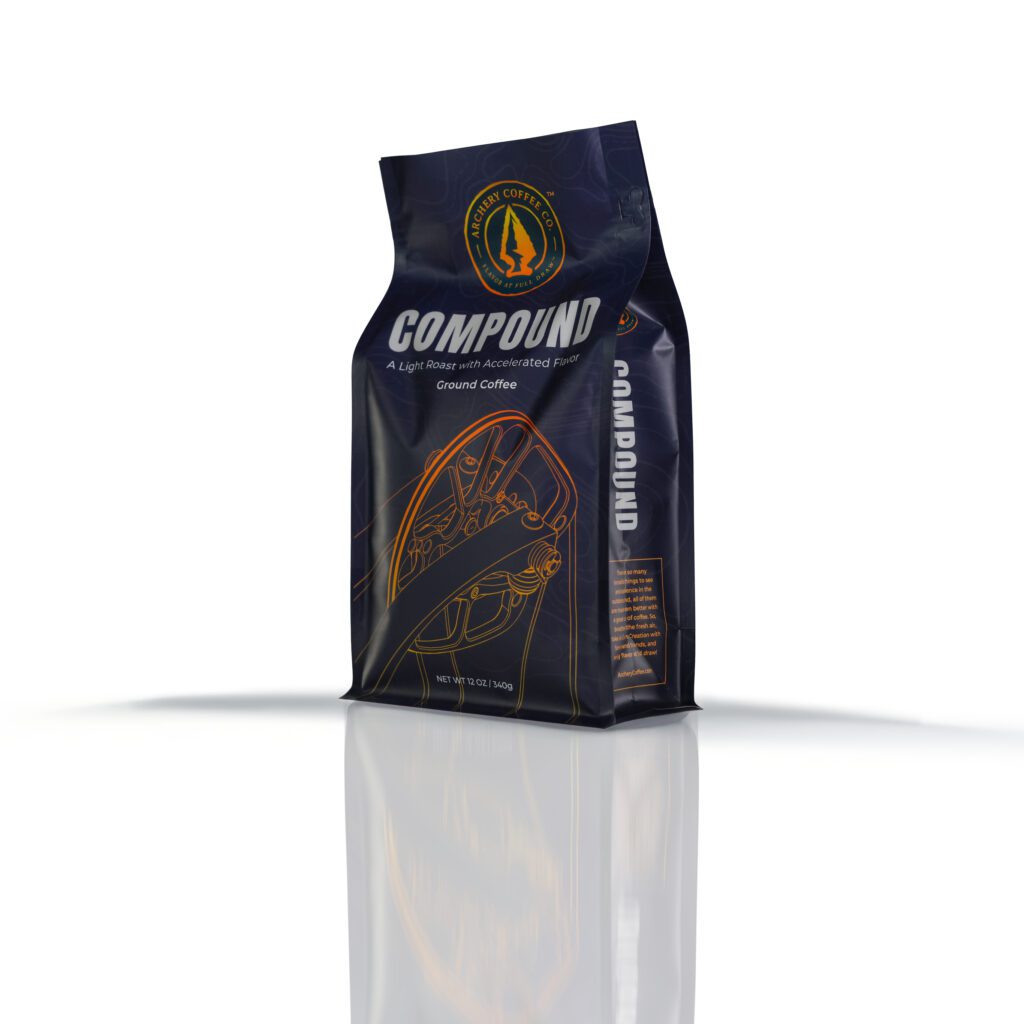
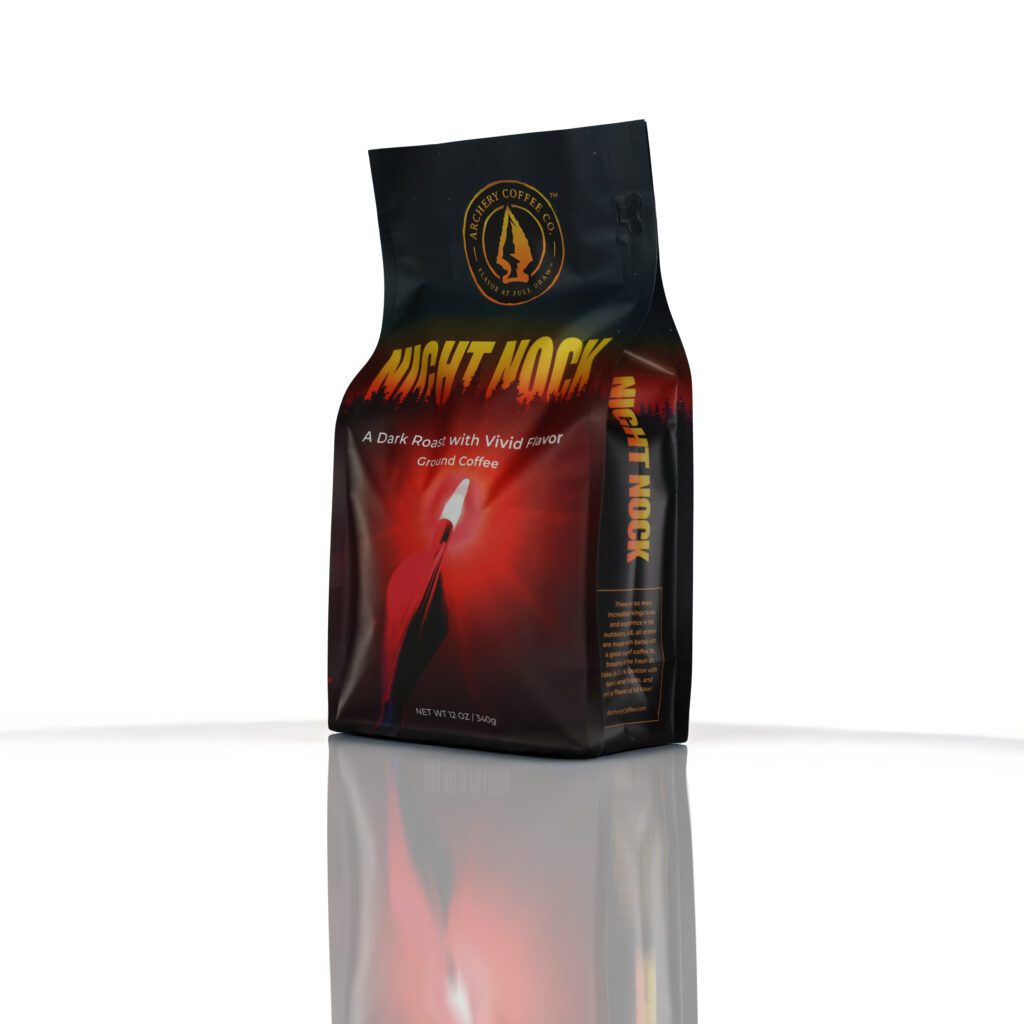
Coffee for your next adventure!
Use The Tailgate Test Before You Leave
Before you pull out of the driveway, drop the tailgate and take a hard look at the load.
Can you reach the first-aid kit without moving a cooler? Can you grab rain gear before the storm hits? Do rods, optics, tools, and sharp items have a safe spot? If one hard brake would turn the whole setup into a yard sale, fix it before the road does it for you.
This is where a modular mindset helps. Bags, bins, straps, and attachment points give gear a predictable place to ride, which is the same idea behind smart modular gear organization in hunting and outdoor setups.
The tailgate test takes one minute, and it can save the first hour of your trip.
Reset The System When You Get Home
When the trip’s over, don’t let the truck become a rolling storage unit. Pull out wet gear, charge batteries, restock first-aid supplies, clean tools, and put each kit back where it belongs.
That small reset makes the next trip easier. The next time someone asks where the headlamp, pliers, rain jacket, or fire starter went, you’ll have a better answer than, “It’s somewhere in the truck.”