
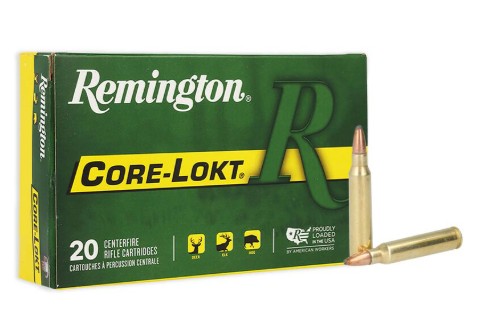
Every hunting season, hunters argue about the .223 cartridge, and both sides bring valid points.
Some hunters prefer larger rounds because they provide wider room margin for mistakes. Others value lighter recoil because accurate placement decides far more than caliber arguments.
The .223 Remington can certainly take deer cleanly under the right conditions. However, your success depends heavily on bullet design and sensible distance limits.
Check Your Local Rules Before Buying
Getting clear on your local game laws must come before any range work or field planning. For example some states allow centerfire rifles when hunters use bullets designed for expansion. Missouri follows that approach and doesn’t allow full metal jacket projectiles for deer. Elsewhere, Virginia prohibits rifles below .23 caliber, which excludes this cartridge statewide. Local county rules can also add further limits inside otherwise legal states.
So, review your state’s current wildlife booklet before every hunting season begins. Regulations can change between seasons and the article you read on the internet giving details on the legality may be obsolete. Your conservation department provides the final answer for your hunting area.
Why The .223 Cartridge Can Make Sense For Deer
Low recoil helps many hunters place shots with better control. After, all there’s nothing like flinching and prior to the shot to kill your shooting accuracy. Lower recoil also supports longer range practice sessions, and more practice builds confidence, so you can be ready when the moment of truth comes on the hunt.
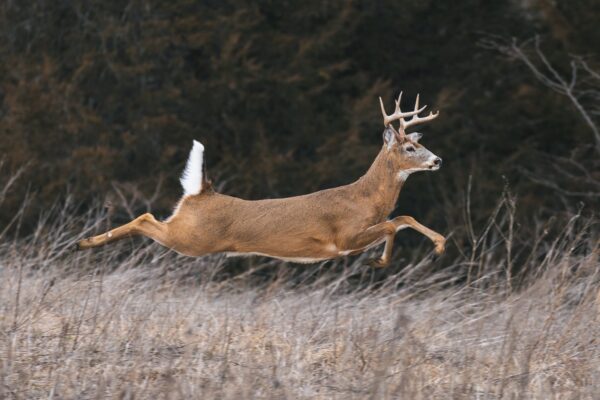
Many .223 rifles provide excellent field accuracy, with ammo choices being plentiful and hunting loads widely produced. In addition, your .223 rifle may also weigh less than other traditional deer rifles.
Younger hunters and smaller adults can benefit from reduced recoil during training, and also allow for more consistency in the field.
Bullet Construction Decides Everything
Standard practice rounds should never enter your deer rifle magazine. Full metal jacket bullets are built differently from expanding hunting bullets. Varmint bullets can also open too quickly and limit penetration.
Good .223 ammo should use bonded cores or controlled-expansion designs. Monolithic copper bullets provide another dependable route for deeper penetration. Heavier projectiles around sixty grains also give hunters useful construction options.
Bullet weight alone cannot be the determining factor of whether or not it’s suitable for deer hunting. A sixty-two-grain target bullet differs greatly from a sixty-two-grain bonded bullet. Read the factory specs before trusting any box in the field.
Keep Your Distance Conservative
A .223 cartridge gives hunters less forgiveness than larger deer rounds. Range should match your verified accuracy and the bullet’s performance. For many hunters, one hundred fifty yards provides a sensible maximum range.
Your own range may need to be shorter. Practice from kneeling positions and field rests before determining your range. Shooing bench groups cannot account for every scenario you may face outdoors.

Shot Placement Requires Extra Discipline
Broadside shots provide the clearest path through the vital area. Slight quartering-away angles can also work with proper bullet construction. Steep angles demand more penetration and reduce your available margin of error.
Passing on a questionable shot could prevent you from wounding a deer, resulting in hours of tracking and unnecessary suffering of the animal. Waiting on a good shot opportunity can also help preserve your confidence on the gun.
Aim through the heart and lung area behind the shoulder. This path gives expanding bullets useful tissue without excessive bone. Heavy shoulder impacts can challenge smaller projectiles from difficult angles.
Wait until the deer offers a stable broadside presentation. Your rest should support the rifle without adding unwanted pressure. Your trigger control should match the practice you put in before the season ever began.
When you make the shot, mark the exact location where the animal stood before attempting to track. Watch the departure direction and listen after the shot. Give the deer ample time to expire before beginning to track.
Top .223 Hunting Loads Worth Testing
Federal Fusion 62-Grain
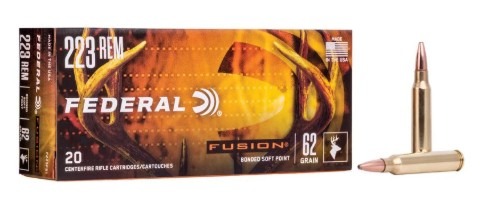
Federal builds this load around a bonded soft-point bullet. The jacket connects with the core for better weight retention. A skived nose helps the projectile open in a controlled pattern. Federal lists a muzzle velocity of 3,000 feet per second.
This option makes sense when you want balanced expansion and penetration. Your rifle still needs accuracy testing before hunting season begins. Buy one box before ordering several cases for future hunts.
Barnes VOR-TX 55-Grain TSX
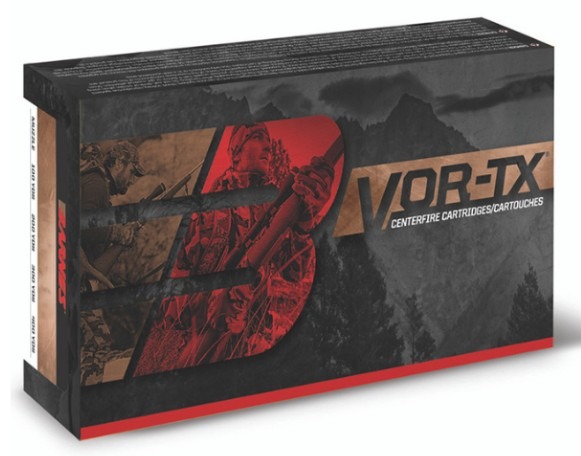
Barnes uses an all-copper bullet inside this factory load. The company describes expansion near twice the original bullet diameter. Copper construction also supports high weight retention during penetration.
This load deserves attention where lead-free ammunition receives preference. Check your barrel and group size before making decisions.
Winchester Deer Season XP 64-Grain
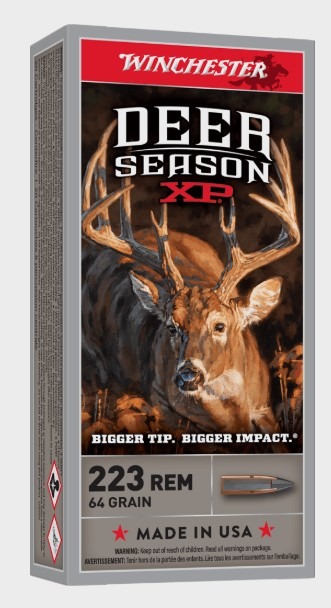
Winchester designed this product specifically around deer hunting needs. Its Extreme Point bullet uses a large polymer tip for rapid expansion. Winchester lists 3,020 feet per second from its test setup. Muzzle energy is listed at 1,296 foot-pounds from that barrel.
This choice may suit broadside shots at modest distances. Faster expansion can produce a wider wound channel near impact. Test several groups because every barrel has different preferences.
Winchester Power-Point 64-Grain
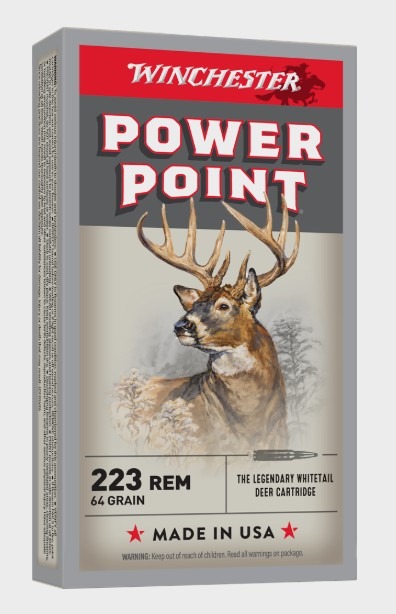
Winchester offers another sixty-four-grain option with a traditional soft point. The company markets this design for deeper penetration on whitetail game. Its simple construction has served hunters across many cartridge families.
This load provides a familiar choice without a polymer tip. Accuracy should decide between factory options with similar hunting purposes.
Deer Hunting Apparel from N1 Outdoors
-
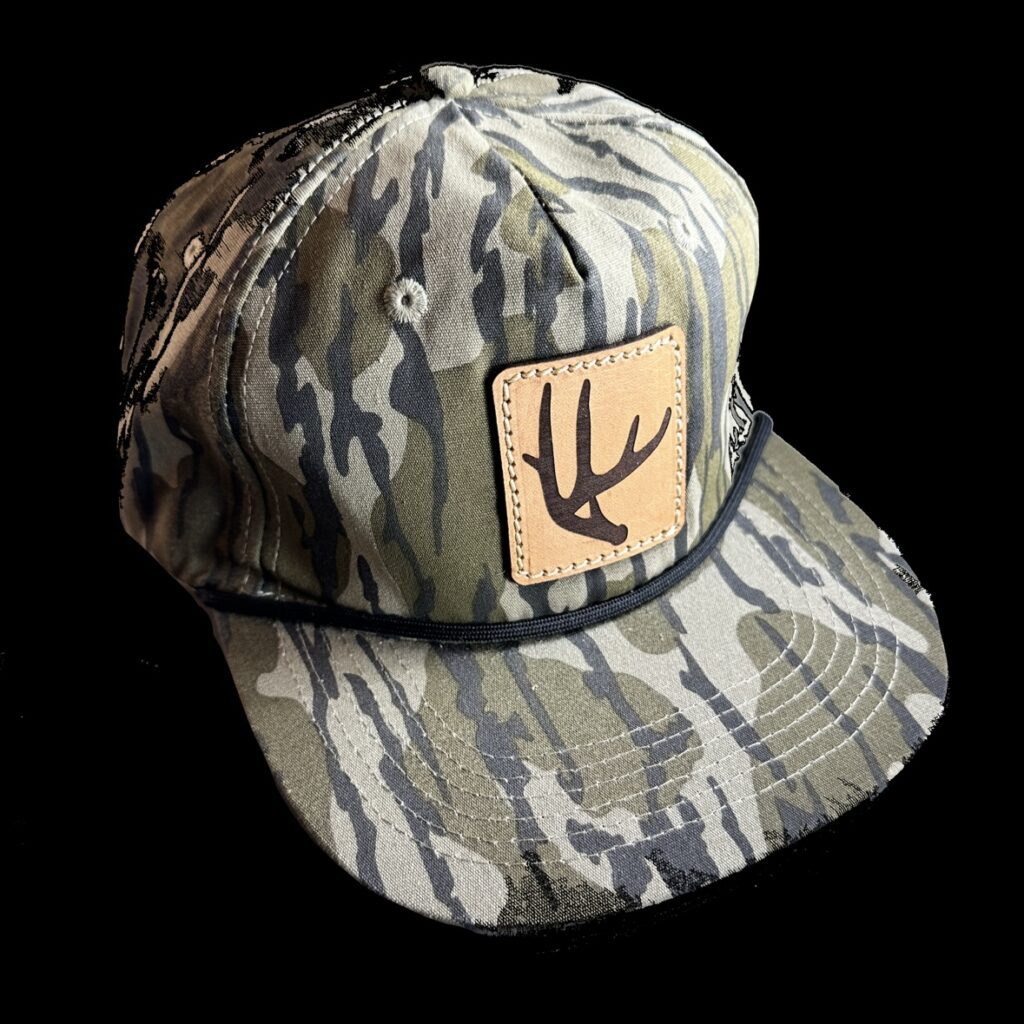
N1 Outdoors® Antler Leather Patch Camo Rope Hat
$29.99 -
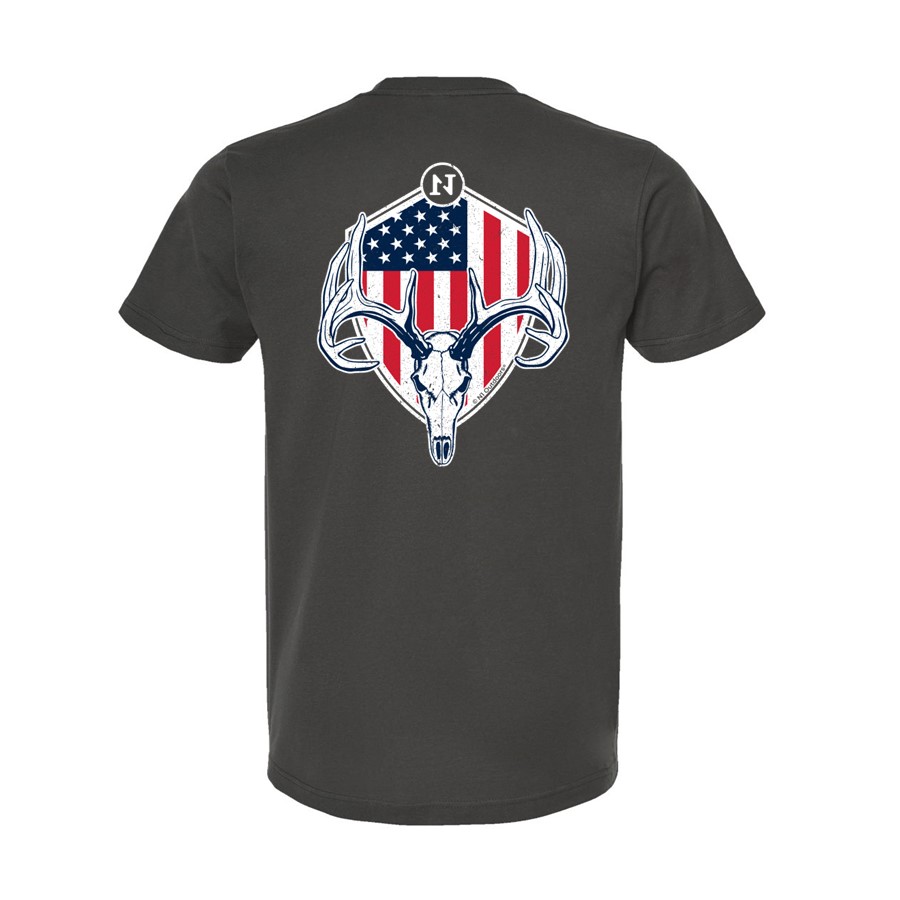
N1 Outdoors® “USA Antler” Tee
Price range: $24.99 through $28.99 -
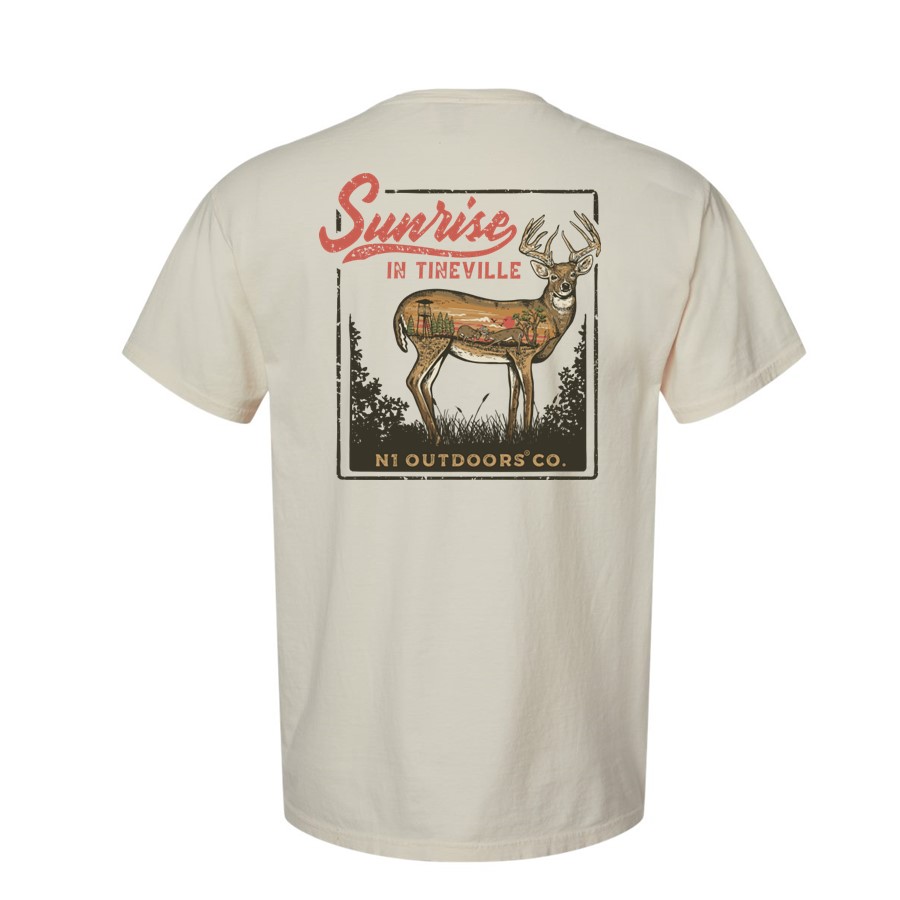
N1 Outdoors® Sunrise In Tineville™ Tee
Original price was: $28.99.$19.00Current price is: $19.00.
Test Your Final Choice Properly
Start with three-shot groups from a solid bench rest. Repeat those groups after the barrel cools.. Record group size and point of impact for each load.
Next, shoot from positions you may use while hunting. Include kneeling shots and supported standing shots during practice. Field practice exposes balance problems hidden by a stable bench.
Your final choice should meet several practical standards:
- Every round should feed and extract without mechanical trouble.
- Groups should stay inside your chosen vital-zone limit every time.
- Point of impact should remain predictable after a cold bore.
- Recoil should allow controlled follow-up shooting whenever another shot proves necessary.
- Your chosen bullet must be legal within your location.
Confirm your zero with ammunition from the same purchased lot. Keep enough matching boxes for practice and your hunting season.
Know When Another Cartridge Works Better
Larger deer and longer distances call for more margin. Heavy cover can also limit shot angles and tracking visibility. A bigger cartridge may serve those conditions more responsibly.
Hunters who cannot wait for broadside shots need another option. The same advice applies when field accuracy exceeds four inches. Equipment should match realistic ability rather than hoped-for performance.
Is .223 The Cartridge For Your Next Deer Hunt?
The .223 ammo debate will probably continue for many years. However, we can still reach a fair answer through practical limits. Proper bullets and disciplined shot selection make this round viable in deer hunting scenarios.
Your best results begin with legal research and careful testing. Keep your range conservative and pass when you have uncertain shot angles. Remember, deer hunting rewards patience far more than bold caliber claims.
The .223 cartridge can serve capable hunters who understand its narrower margin. Choose purpose-built ammunition and practice from real field positions. Your preparation will often determine your success long before opening day arrives.
Safe hunting!