
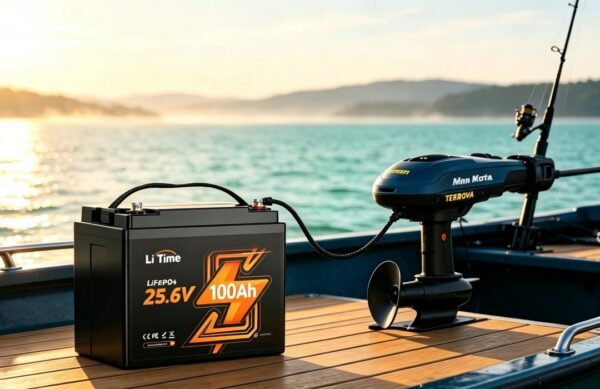
A trolling motor is indispensable for serious anglers as well as small watercraft owners. It makes a boat or canoe easier to maneuver and can also make for a quiet day on the water. But, it’s important that the battery is suited to the job.
For many boat owners, the difficult part is not choosing the motor itself. It is figuring out whether they need a 12V, 24V, or 36V battery system, how much capacity is enough, and which battery chemistry makes sense for the way they fish or travel.
Choosing correctly requires more than matching a voltage number. Trolling motors draw power continuously, sometimes for hours, so the battery must handle repeated deep discharges while supplying reliable current throughout the trip.
Understanding a few practical factors can make the decision of which battery is needed much easier.
Why Trolling Motors Need Deep-Cycle Batteries
A trolling motor uses electricity differently than a boat’s main motor.
Starting batteries are designed to provide a short burst of high current to crank an engine. Once the engine starts, the battery’s main job is largely finished. However, a trolling motor may draw electricity continuously while moving the boat, holding position against wind, or maneuvering around fishing areas. That’s why deep-cycle batteries are normally used for trolling motors. They are designed to discharge a meaningful portion of their stored energy repeatedly and then be recharged.

Using the wrong battery type can result in shorter operating time and accelerated battery wear. So, instead of asking whether a battery can power the motor at all, boat owners should ask whether it can repeatedly support the motor’s normal operating pattern.
Start by Matching the Battery Voltage to the Motor
Trolling motors are designed around particular electrical systems, so voltage is the first specification to check.
Common configurations include:
- 12V motors using a 12V battery system
- 24V motors using a 24V battery system
- 36V motors using a 36V battery system
A traditional 24V setup, for example, can use two 12V batteries connected in series. A 36V system may use three 12V batteries connected in series. Depending on the battery technology and equipment design, dedicated higher-voltage battery options may also be available.
The correct voltage should always follow the trolling motor manufacturer’s specifications. Installing a higher or lower voltage than the motor requires is not a practical way to increase performance and may even damage equipment.
Voltage tells you what electrical system is required. It does not, however, tell you how long the motor will operate. That is where battery capacity becomes important.
Fishing Shirts that wow, from N1 Outdoors®
-
N1 Outdoors® Royal Flush™ UPF 45+ Performance Fishing Shirt
$9.00 -
Put a Hook N1™ UPF 50+ Redfish Performance Fishing Shirt
$15.00 -

N1 Outdoors® FISH. Performance UPF 50+ Shirt
Price range: $37.99 through $39.99

How Much Battery Capacity Do You Actually Need?
Battery capacity is commonly measured in amp-hours, or Ah. In simple terms, a higher amp-hour rating means the battery can store more usable electrical energy, although real-world runtime depends on several conditions.
Suppose two boat owners have the same trolling motor. One uses the motor occasionally to reposition a small fishing boat on calm water. The other spends hours fighting currents and wind on a larger vessel. Even with identical motors, their energy requirements can be very different.
When comparing a battery for trolling motor, it is therefore useful to evaluate capacity alongside the motor’s expected current draw rather than treating amp-hours as an isolated specification.
Important runtime factors include:
Motor Speed
Higher throttle settings generally require considerably more electrical power. Running at maximum speed for long periods will drain a battery faster than making occasional low-speed adjustments.
Boat Weight

Trolling motors may be the only power source on smaller watercraft like this, but heavier boats requires more thrust to move and maintain speed, which can increase power consumption.
Wind and Current
Calm-water fishing typically places a lighter demand on the system. However, holding position against strong wind or current can keep a trolling motor working continuously.
Length of the Trip

Someone making two-hour outings has different capacity requirements from an angler who spends most of the day on the water. Rather than selecting the smallest battery that theoretically works, it’s more sensible to leave some capacity in reserve for changing conditions.
Lead-Acid, AGM, or Lithium: What Is the Difference?
Battery chemistry also affects weight, usable capacity, maintenance, charging, and service life.
Flooded Lead-Acid Batteries
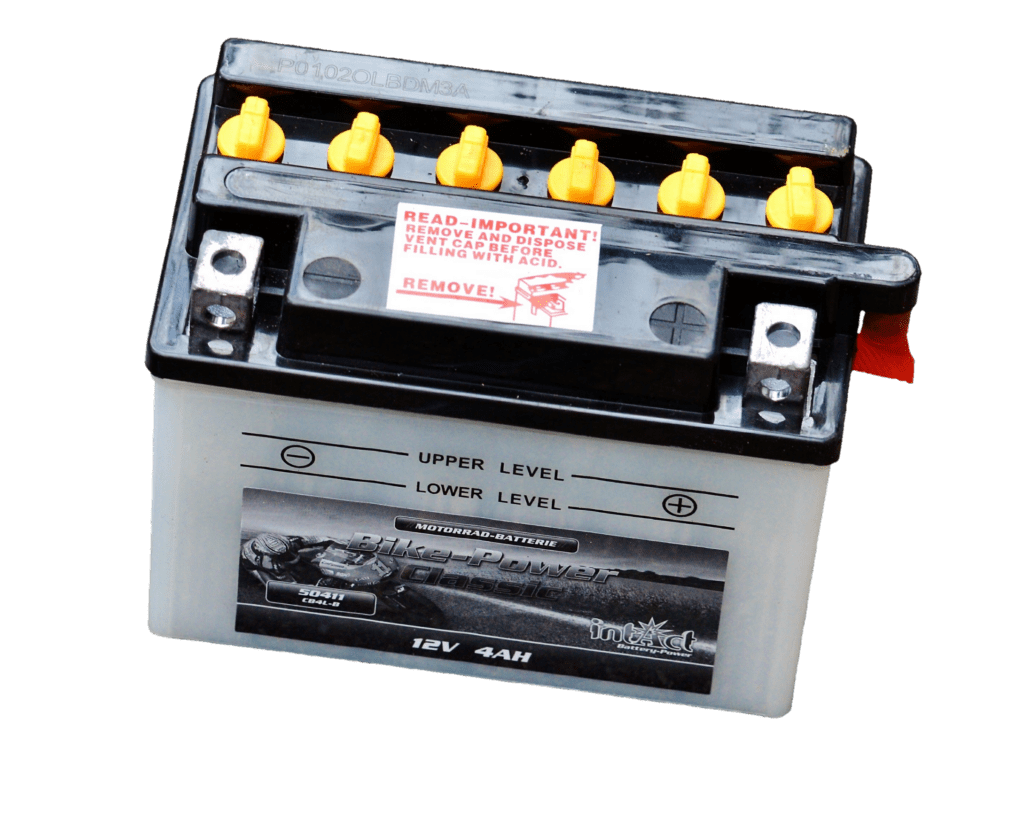
Traditional flooded lead-acid deep-cycle batteries, where internal lead plates are submerged in a mixture of water and sulfuric acid, offer high power at a low cost, but are heavy, and require regular upkeep.
AGM Batteries
Absorbent glass mat, or AGM batteries, are another lead-acid option. Their sealed construction reduces routine maintenance compared with traditional flooded lead-acid batteries.
They can be useful where owners want a familiar deep-cycle system without regularly checking electrolyte levels. Weight remains a consideration, particularly when several batteries are required for a 24V or 36V system.
Lithium Batteries
Lithium battery discharge characteristics differ from lead-acid batteries. Lithium batteries often maintain a more stable operating voltage through much of their discharge cycle. The tradeoff is usually a higher initial purchase price. Compatibility matters as well. You should be sure that chargers and electrical components will be suitable for the battery chemistry being installed.
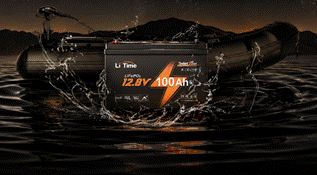
Lithium iron phosphate, commonly called LiFePO4, has become another option for trolling-motor applications. These batteries are generally lighter than comparable lead-acid batteries and can provide a substantial amount of usable capacity.
Why Battery Weight Matters More Than It Seems
Battery capacity is important, but adding more batteries is not always the ideal answer.
Vessel weight becomes especially noticeable with higher-voltage trolling motors. A 36V system built from three heavy batteries can add considerable weight to a small or medium-sized boat.
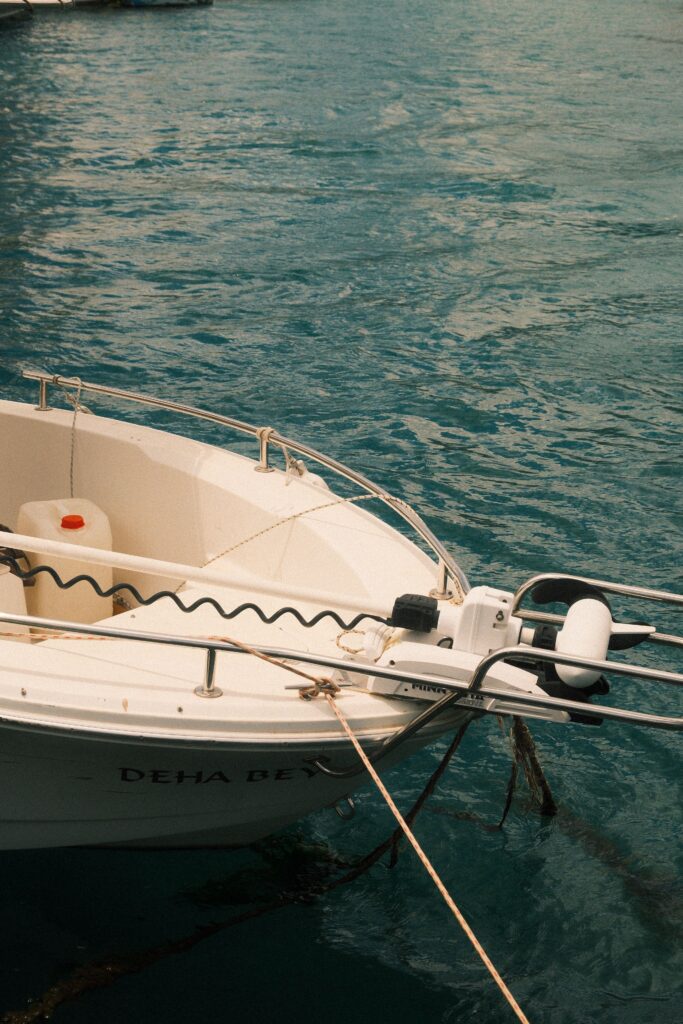
Weight affects how a boat sits in the water, how easily it accelerates, how much equipment can be carried, and even how difficult batteries are to install or remove.
Before increasing capacity, consider both runtime and total system weight. Sometimes a lighter battery chemistry with appropriate capacity can reduce the physical burden without sacrificing practical operating time.

Don’t Forget the Charger and Electrical System
Even the right battery can perform poorly when paired with unsuitable supporting equipment.
Check whether the charger matches the battery’s chemistry and voltage requirements. Cable size, connectors, circuit protection, and installation practices should also meet the specifications provided by the trolling motor and battery manufacturers.
Battery management systems found in many lithium batteries provide electronic protection against certain operating conditions, but they do not replace proper system design.
Connections should also be inspected periodically. Loose, dirty, or corroded terminals can create resistance and reduce electrical efficiency.
A Practical Battery Selection Checklist
Before purchasing a Litime trolling motor battery, answer five questions:
- What voltage does the trolling motor require?
- What is the motor’s maximum current draw?
- How many hours will the motor typically run?
- Will it regularly operate in strong wind, current, or high-throttle conditions?
- How important are battery weight, maintenance, and charging time?
Choosing Right Battery For Your Trolling Motor (A Review)
The right trolling motor battery is the one that matches the motor electrically while providing enough usable capacity for the boat’s real operating conditions. Start with the required voltage, then consider runtime, current draw, boat weight, water conditions, battery chemistry, and charging compatibility.
A casual angler using a small motor on calm lakes may need a very different setup from someone operating a heavier boat all day in changing conditions. Treating the battery as part of the complete trolling-motor system leads to a more practical choice and fewer surprises once the boat leaves the dock.
Boat safely!