
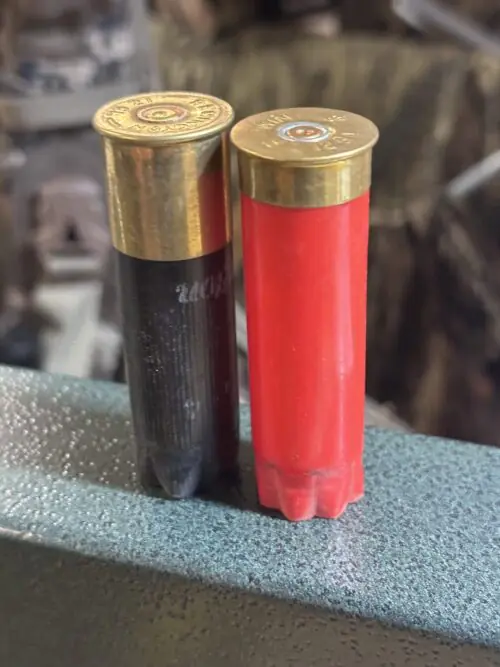
Have you ever handled a shotgun shell? If you have, then you probably noticed it’s pretty much all plastic.
That’s the norm now for most modern shotgun shells.
Now, if you were to go back in time, you’d get the chance of seeing that plastic was anything but ‘normal’. Shotgun shells used to be made of brass, paper, and other materials. And actually, paper was what most people expected to see for a long time.
The reason the switch to plastic is interesting is that it didn’t happen because someone, somewhere, wanted to save money. Manufacturers were simply trying to fix problems that were encountered, especially with paper and moisture.
And, plastic turned out to be incredibly good at doing everything a shotgun hull needed.
How Shotgun Shells Went From Metal to Paper to Plastic
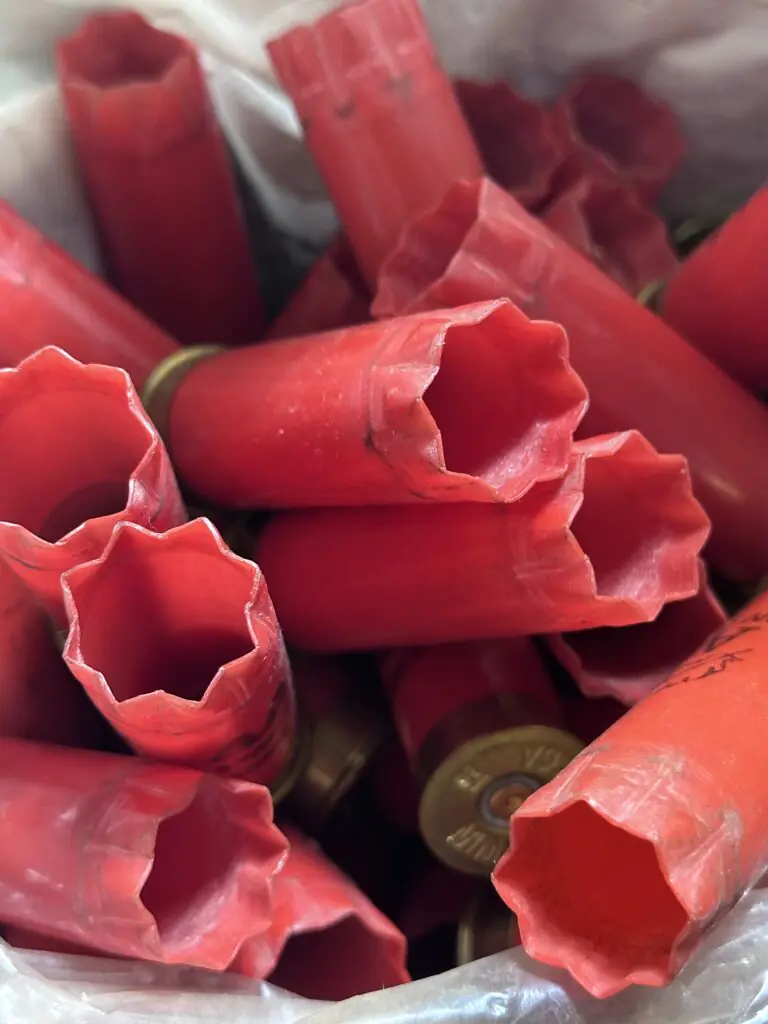
That plastic hull we have today is only the latest solution for making a shotgun shell tough enough to work properly without making it entirely out of metal.
Brass was first, then paper, and then plastic. Along the way, there were very practical reasons for each of those changes.
Brass Worked, but It Was a Lot of Metal for One Shell
An entire shotgun shell made of brass sounds reasonable enough.
Brass is tough and doesn’t soak up water. Also, it can survive being loaded and fired more than once.
But, brass is far from perfect.
If you compare most rifle and handgun cartridges, you’ll see that shotgun shells are pretty chunky. That means a lot of surface area that you’d need metal for, even though most of the shell doesn’t even need to be that strong.
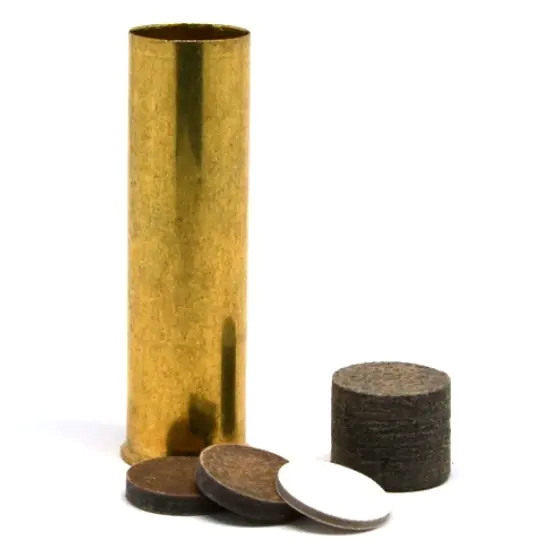
Once manufacturers figured this out that shells being made completely of metal was overkill, the manufacture of brass shells went mostly by the wayside, although a few still are produced today.


Paper Made More Sense
Paper may sound strange when you think of it as material for ammunition.
But actually, this was pretty smart thinking. Instead of making the whole shell brass, manufacturers could use metal for just the base, and build the rest from tightly wound paper.
They would treat the paper with a coating (like wax), so it wasn’t flimsy, but still light. It was also super cheap to make, and it was able to hold everything inside the shell where it needed to be. It worked so well that paper shells became the norm and stayed for decades.
Paper Met Water
Paper shells had one issue that nobody could solve: water.
Paper and moisture aren’t friends, and even though the wax coatings helped to some extent, if it was damp enough, it would almost always cause trouble. When the paper got wet, the hull became softer; it could then swell and lose its shape, which is a huge deal when you need it to fit neatly into a shotgun chamber.
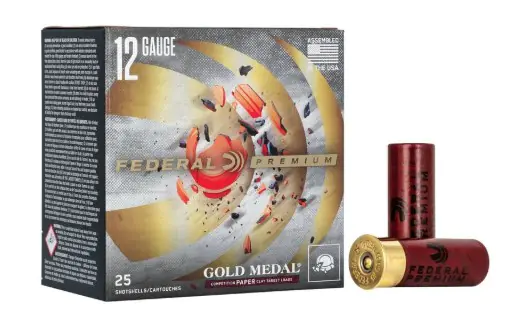
Paper shotgun shells worked for generations, and some are even still made today, but a shell that reacts to humidity is still problematic.
Plastic Was Almost Too Good
And then came plastic, and it fixed more than just the issue with moisture.
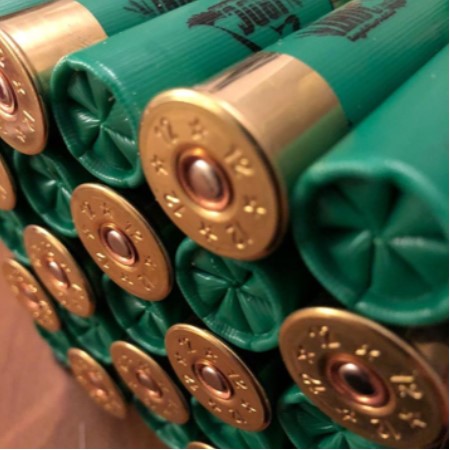
Plastic is easy to shape; it’s easy to make in large quantities, and it’s light enough to keep the shells from being bulky. It’s also tough enough to survive normal handling.
| During an study analysis on pristine and fired plastic shotgun wads using thermal imaging, infrared spectroscopy, and x-ray diffraction, testing results showed that the pressure, energy, and heat/temperature caused no appreciable changes in the polymer structure. – ScienceDirect |
For perspective: a typical 12-gauge target load (e.g., AmmoToGo) can send 1-⅛ ounces of shot out at approx. 1,200-1,290 fps.
Thanks to plastic, manufacturers could make hulls with consistent dimensions, form the mouth so it crimped cleanly, and make millions of them with hardly any variations in batches.
When plastic came into play, paper was out because it couldn’t offer anything that plastic couldn’t do better.

Why Plastic Fits a Modern Shotshell So Well
In short, plastic is excellent at doing a bunch of small jobs without making any of them complicated.
It keeps its shape, it doesn’t soak up moisture as paper does, it can handle all the normal bumps and drops, and even changes in temperature that you’d expect from transport and storage. And, another thing that’s just as important is that manufacturers can make plastic hulls with consistent thickness and dimensions, which means that every shell will fit the chamber just like it’s supposed to.
You can see that basic design across modern 12 gauge shotgun shells, even though the loads themselves can be totally different.
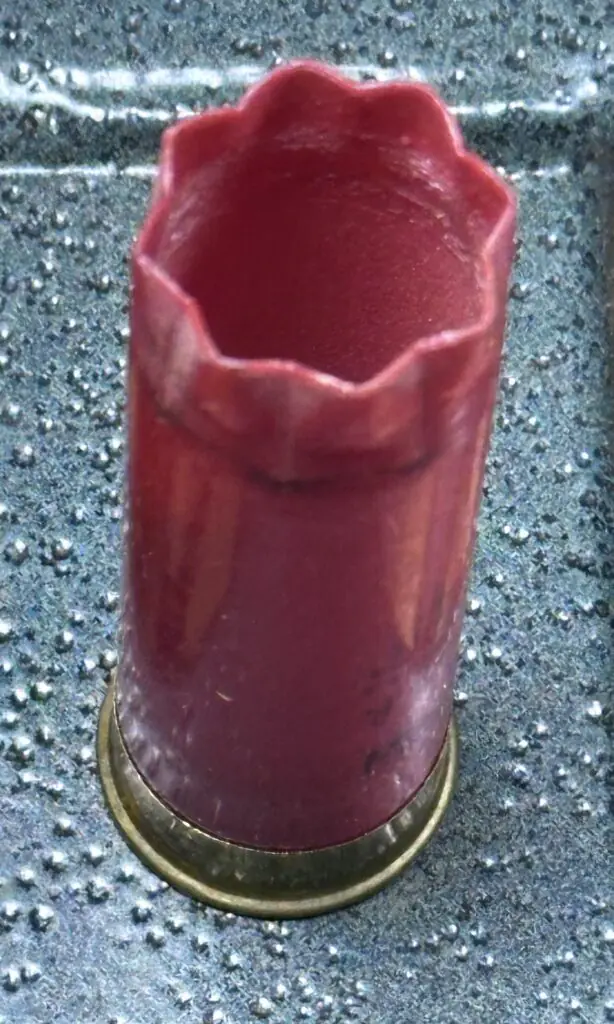
Plastic also makes the top of the shell easier to work with because you can shape the mouth so that it folds neatly into a crimp while everything stays inside without needing another piece of a heavy material.
Plastic isn’t perfect in every sense, but for shotgun shells, it does exactly what you’d want from it.
Plastic shotgun shells took awhile, but they’re here to stay
It took a long time for the plastic to come onto the scene, but once it did, it stayed.
And it doesn’t seem like it’s going anywhere, because why would it?
Plastic is also the reason why ammunition for shotguns looks so different from most rifle, handgun cartridges, and other types of ammo. It may seem like a basic piece of cheap material, but it’s actually the result of a long process of figuring out what a shotshell really needs.
And, of course, what it doesn’t.