
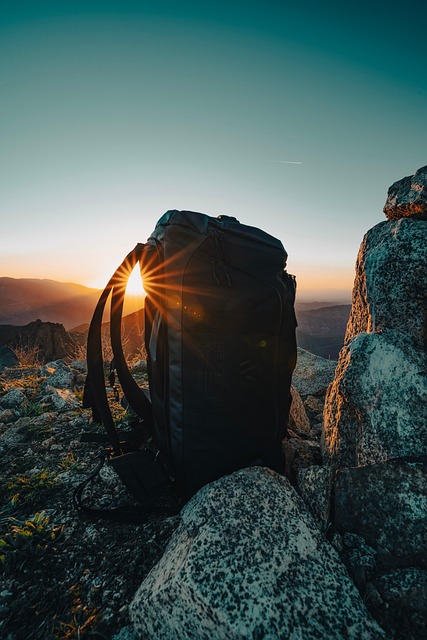
The idea of hiking in beautiful locations and posing for that selfie with majestic views in the background can have serious appeal. But, what starts as a simple first hike could quickly turn into an uphill battle if you’re not prepared. So, let’s take a look at some essential items every beginner hiker should own and why each matters.
Proper Footwear (Hiking Boots Matter)
Nothing can impact how enjoyable (or not enjoyable) a hike is quite like what you’re wearing on your feet. When you think of strolling through beautiful scenery, hiking boots may not be top of mind.
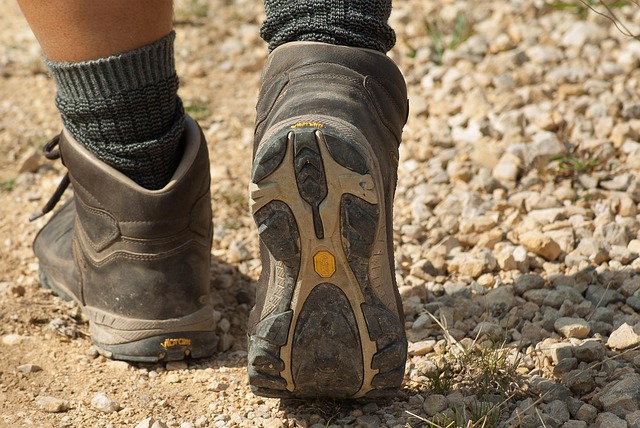
You might be tempted to just slip on some sneakers or even sandals… Don’t. Be sure to investigate, try on, break in, and wear a good pair of hiking boots.
While hiking boots don’t need to break the bank, they do need to provide grip to prevent slippage, and offer overall foot support for your trek. After all, you need to be surefooted, especially if hiking rocky or uneven terrain.
Even though it may be your first hike, be sure to do some research and find a good pair of hiking boots before you set out for that first big hiking adventure.
A Daypack
How to choose a daypack depends on a lot of factors – your destination, the season and weather, the length of the hike, etc. Either way, the pack should be large enough to comfortably fit all the other essentials, yet not so bulky that you’ll be tempted to overpack.
It’s best to shop in person to make sure the daypack is sturdy, has all the pockets and straps you want, and feels balanced when loaded up fully. On your first hike, you may only want to take a few items and some snacks, but you may want to choose one that has the room and features for subsequent hikes. After all, hiking is great exercise and a great way to enjoy time outdoors on a regular basis. So, why not take some time to find a pack that you can use in multiple hiking scenarios.
-
N1 Outdoors® CAMP. Tee (Various Colors)
$19.00 -
N1 Outdoors® HIKE. Tee
$19.00 -
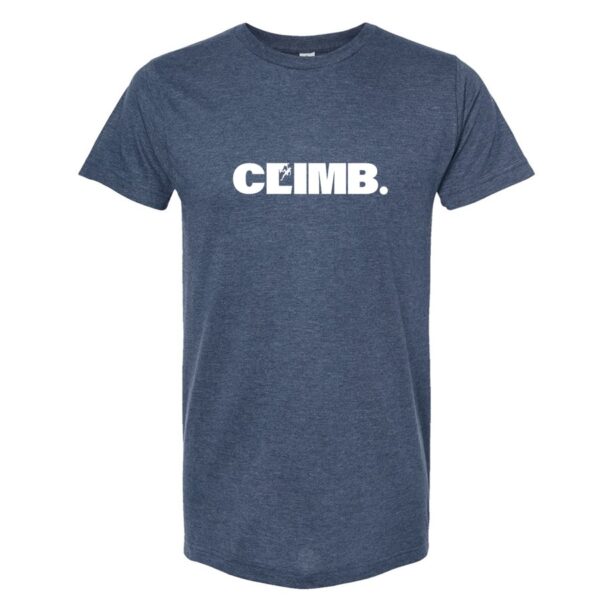
N1 Outdoors® CLIMB. Tee
$19.00
Clothing
Even if you’re hiking in cooler weather, there’s a good chance you’ll still sweat. So, clothing is a critical consideration. Start with moisture-wicking underwear and T-shirts. From there, it’s all about layers. The idea is to have enough insulation to handle the cold while being able to remove excess layers once things heat up.
When considering clothing options for your hike, always plan for two things – insects and rain.
A light long-sleeve shirt will keep the bugs at bay. A waterproof jacket is essential for cold weather hikes, and you can whip out a foldable raincoat to deal with summer showers. And, when it comes to clothing for your hike, sunglasses and sun hats should also be in the conversation for some protection from the sun.
Water
You know how everyone keeps going on about staying hydrated? Well, it’s even more important when hiking!

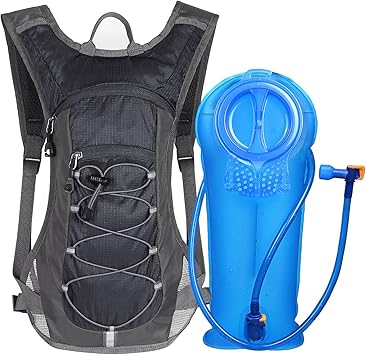
Some hikers choose to go with a large, refillable water bottles. Others prefer hydration packs either attached to, or built into, their daypacks. These are more practical since they can hold more water and usually come with long straws. That way, you can sip while hiking without having to fumble for a bottle.
Physical exertion and exposure to the elements will make you sweat more than usual. The danger of dehydration is real, and you need to be prepared, even on short hikes.
Food
It’s surprising how many calories even a short hike can burn. You’ll want to keep your energy up with lightweight but calorie-dense foods that are easy to consume and don’t leave a mess. Think granola bars, bananas, trail mix, whole grains, jerky, cheese, etc.
The trick is to eat smaller meals on the move more frequently, even on multi-day hikes. Save more conventional but still light meals like pasta, rice, or soup for dinner after hiking ends for the day.
Navigation
Knowing where you are and where you’re going at all times is essential for safe, enjoyable hikes. You can keep track in several ways, and redundancy is encouraged. Knowing how to use a map and compass is great, but bring a GPS too, just in case.
Your smartphone can also be a big help. You can download offline maps to it or use dedicated apps with up-to-date trail information and community commentary. If you’re hiking abroad, you’ll want to be sure you have a plan that gives you the ability to access maps and features wherever there is a mobile signal. You can get an eSIM coupon to get more affordable options.
Odds and Ends
Being prepared on your first hike also means carrying other miscellaneous, yet essential items. Most importantly, you’ll want to pack a first-aid kit, just in case. A headlamp will come in handy in dark, wooded areas or when hiking early or late.
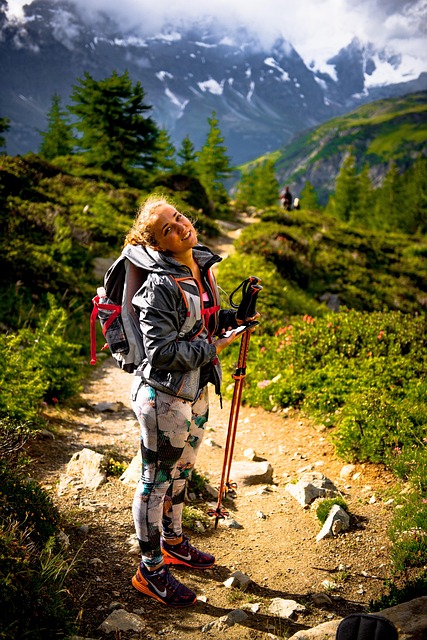
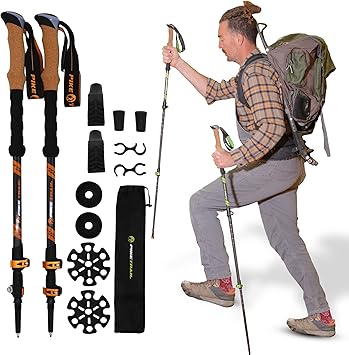
A pair of walking sticks will help with stability on uneven terrain and shift some of the strain of walking uphill onto your upper body. Finally, a Swiss army knife or multitool will help with opening packaging, cutting up bandages or food, clearing debris, repairing damaged gear, and other unforeseen circumstances.
The First-Time Hiker’s Checklist
As a review, here’s a handy checklist you can refer to for your first hike:
- Footwear and clothing – sturdy hiking shoes or boots, breathable and layered clothing, rain and sun protection
- A sturdy, balanced daypack with enough room for everything
- Plenty of water, either in a reusable bottle or a hydration pack
- High-energy snacks you can grab and eat on the go
- Analog and digital navigation tools
- A well-stocked first-aid kit
- A headlamp
- Walking sticks
- A multitool
In short, the right gear, sustenance, and digital connectivity items will help ensure a pleasant and safe hike. Enjoy!