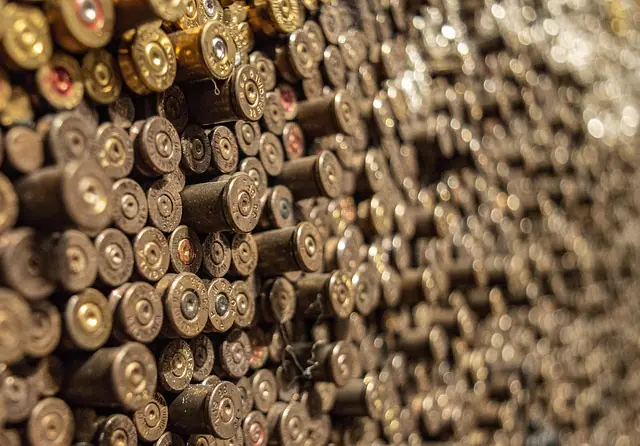
The method of gathering information for reloading ammunition has been gradually evolving. Reloaders once had to acquire information from several separate resources. However, now there are platforms that can act as a central hub of information, combining load reference data with ballistic analysis in a much more practical way, making the overall process more efficient and easier to manage.
The Good And Bad Of Reloading Data
Traditionally, most reloaders depended on published load manuals from powder and bullet manufacturers. These manuals provided tested charge ranges for specific cartridges and projectiles, giving shooters a reliable starting point when building loads safely.
While these references remain extremely useful, they also come with limitations. In many cases, manufacturers only include their own powders or bullets, which means reloaders must compare data from multiple sources when exploring different component combinations.
Alongside printed data, ballistic simulation software became another important part of modern handloading. Programs such as QuickLOAD allowed users to estimate internal ballistic behavior, including pressure and velocity, before assembling rounds. The rise of this type of software
added a deeper level of precision to load development, especially for experienced shooters trying to optimize performance. However, simulation tools generally require the user to already know which bullet, cartridge, and powder combination they want to test. Some of these older programs also struggle to keep pace with newer components because database updates have become less frequent over time.
Newer reloading platforms are beginning to merge these two systems into a more connected workflow.
Newer digital platforms combine ballistic calculators and analysis tools that allow for cross-referencing of multiple types of powder and bullet manufacturing data.
We earn a commission if you make a purchase, at no additional cost to you.
06/18/2026 05:02 pm GMT
Instead of searching load tables first and then manually entering information into external software, reloaders can move between both steps inside the same environment. Platforms like ApexLOAD PRO are designed around this idea, offering access to extensive load data together with built-in ballistic calculators that can immediately analyze selected combinations.
In practice, this saves time and reduces unnecessary steps during load development. A reloader can quickly review compatible powders and bullets, evaluate possible combinations, and then refine the load for a particular rifle or performance target without constantly switching between different tools. For experienced handloaders, this creates a faster and more flexible workflow, while newer users benefit from a simpler introduction to ballistic analysis and load optimization.
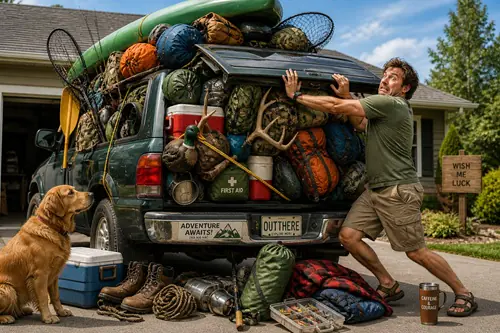
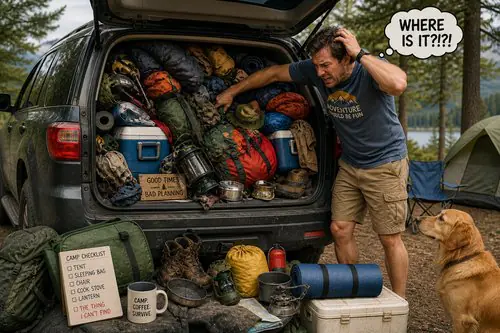
The truck is packed, the coffee’s hot, and somebody’s already asking where the headlamp went.
That’s usually when the digging starts.
A cooler gets dragged out. A camp chair tips over. The tackle bag is under a pair of muddy boots, and the one thing you need is buried beneath everything you probably won’t touch until tomorrow.
Most outdoor gear problems don’t start in the woods, on the water, or at camp. They start in the driveway, when everything gets tossed into the truck with more hope than strategy. A better packing system saves time, protects expensive gear, and keeps the first five minutes of a trip from turning into a tailgate excavation.
Stop Treating The Truck Like One Big Gear Bag
A truck bed can haul a lot, but it’s a lousy filing cabinet.
When gear rides loose, the heavy stuff wins. Coolers slide into tackle boxes. Camp chairs scrape against rods. Boots crush gloves, calls, snacks, and whatever got tossed in last. By the time you arrive, half the load has shifted, and the other half is hiding under something wet, muddy, or sharp.
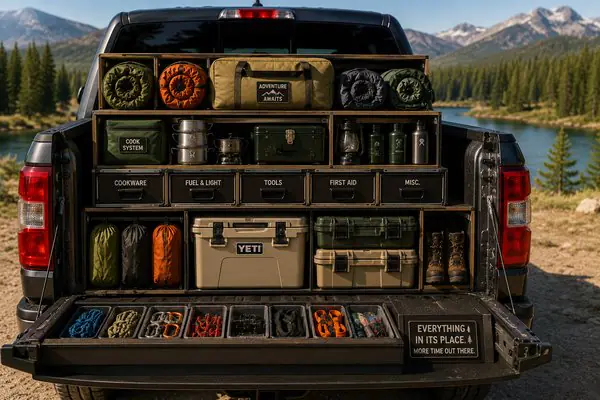
The fix starts with giving each category of gear its own place. Fishing reels need protection. Optics need padding. First-aid supplies need to be easy to find. Smaller activity gear, from dry bags to pickleball paddle bags, works better when it isn’t bouncing around loose with the rest of the load.
Every trip doesn’t have to have an intricately complicated setup. But, the gear you care about should have a dedicated home before it ever hits the truck. The less random your packing is, the less time you’ll spend digging when you should already be outside.
Sort Gear By Mission, Not By Size
Packing by size feels efficient until you need one small item buried under three large ones.
A better system is to sort gear by what it does. Keep the fishing kit together. Keep the camping kit together. Keep hunting gear separate from food, wet clothes, and family recreation gear. If you hike often, build a small trail bag that stays ready instead of rebuilding it from scratch every time.
This also helps you spot what’s missing before you leave. If the cooking bin has fuel, matches, utensils, and a clean pan, you’re set. If the fishing bag has pliers, line, lures, a license, and a small towel, it can go straight from the garage to the truck.
When each activity has its own setup, you grab what you need and go. That beats searching through a pile of “outdoor stuff” every single time.
Some gear needs to be reachable before the rest of the truck gets unpacked.
Think of this as your first-grab layer. It should include the items you might need right away: headlamp, knife, gloves, rain jacket, first-aid kit, water, snacks, licenses, batteries, and anything else that solves a problem fast.
This layer should never be buried under coolers, tents, decoy bags, or muddy boots. Keep it near the tailgate, in the cab, or in one clearly marked bag that everyone knows not to cover.
A good first-grab layer keeps small problems small. When the weather turns, someone gets cut, or you pull into camp after dark, you won’t have to unload the whole truck to find the one thing that matters.
Protect The Breakables And The Can’t-Lose Items
Every truck has a danger zone. It’s where expensive gear meets gravity, sharp edges, loose tools, and whatever rolled out from under the seat.
Optics, electronics, fishing reels, calls, knives, and small accessories deserve more than a gap between the cooler and a duffel bag. Use padded cases, sleeves, dry bags, zip pouches, and hard boxes where they make sense. The point isn’t to baby your gear. It’s to keep one bad bump from ruining the part of the trip you came for.
The same goes for items small enough to disappear. Tags, licenses, batteries, fire starters, headlamps, and multitools should live in the same place every time. Label the pouch if you have to. There’s no prize for remembering which black bag holds the important stuff.
Good storage keeps fragile gear protected and critical gear findable. That’s the whole game.
We earn a commission if you make a purchase, at no additional cost to you.
06/18/2026 05:05 pm GMT
Keep Safety Gear Separate From Comfort Gear
Comfort gear can wait. Safety gear can’t.
There’s nothing wrong with packing chairs, games, extra hoodies, camp pillows, and snacks. Those things make the trip better. But they shouldn’t sit on top of the gear you might need when the weather turns, someone gets hurt, or you’re trying to find your way back after dark.
Keep first-aid supplies, water, fire starters, a light source, navigation tools, sun protection, and extra layers in a place that’s easy to reach. A good baseline is the 10 essentials, which covers the kind of gear that helps when a simple outing gets sideways.
Here’s the test: if you had to find your emergency kit in the dark, with cold hands, could you do it without emptying the truck? If the answer is no, it needs a better spot.
Before you pull out of the driveway, drop the tailgate and take a hard look at the load.
Can you reach the first-aid kit without moving a cooler? Can you grab rain gear before the storm hits? Do rods, optics, tools, and sharp items have a safe spot? If one hard brake would turn the whole setup into a yard sale, fix it before the road does it for you.
This is where a modular mindset helps. Bags, bins, straps, and attachment points give gear a predictable place to ride, which is the same idea behind smart modular gear organization in hunting and outdoor setups.
The tailgate test takes one minute, and it can save the first hour of your trip.
Reset The System When You Get Home
When the trip’s over, don’t let the truck become a rolling storage unit. Pull out wet gear, charge batteries, restock first-aid supplies, clean tools, and put each kit back where it belongs.
That small reset makes the next trip easier. The next time someone asks where the headlamp, pliers, rain jacket, or fire starter went, you’ll have a better answer than, “It’s somewhere in the truck.”
Turkey hunting is not solely about the excitement of the chase. The thrill of the hunt can also be full of countless hours of waiting, walking maintaining a state of readiness for when that gobbler makes its appearance. So, when you are in the field, the gear you use can make or break the hunt. The unsung hero of many turkey hunts could likely be your turkey vest.
Whether you’re an experienced turkey hunter or a beginner, it’s important to have the appropriate vest in order to maximize your chances of success.
A turkey vest should be comfortable, practical, and durable; the ideal combination that will enable you to remain focused and ready during your hunt. In this guide, we explore the best features to consider in a turkey vest that will not only keep you comfortable and agile during the hunt, but also provide what you need to hopefully be able to capitalize when the moment of truth comes.
Fit and Comfort: The Keys To Waiting Patiently
A turkey vest is more than just a piece of hunting apparel; it’s your second skin when you’re deep in the woods. Turkey hunting can be a very time-consuming activity, with hours of sitting or crouching in different positions, so a comfortable vest can make all the difference. A vest without proper fit and comfort can impede your ability to get set up in just the right position.
Preparing for turkey hunting often focuses on patterning guns and practicing calls, but you should also give thought to the type of turkey vest you’ll be hunting in.
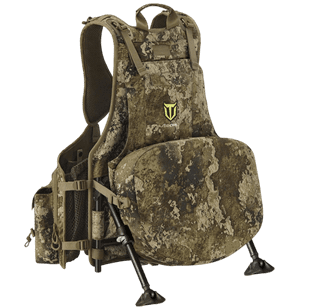
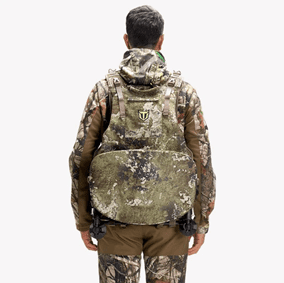
When choosing a turkey vest with legs, the first thing to consider is adjustability. An effective vest will be designed with adjustable straps so you can adjust the fit to your body. Adjustable shoulder, chest, and waist straps allow the vest to be snug without being too tight or loose. The fit must be like a second skin, without any limitations on movement.
In addition to being adjustable, breathable fabrics are an important consideration when choosing a turkey vest. The last thing you would want on a long day of hunting is to be drenched in sweat under a vest with heavy fabric. Lightweight, moisture-wicking vests or mesh panel vests are also designed to keep you cool, allowing air to pass through and moisture to be carried away. This not only makes it more comfortable but also helps avoid chafing and discomfort.
Another key feature to consider when choosing a turkey vest is how effectively it can help with the organization of your hunting accessories. You may be carrying several calls, shells, snacks, or even a flashlight, but your vest must have pockets that will keep all your items well-arranged and accessible during the hunt.
Find a vest with multiple pockets, but also take note of the size of the pockets. The vest should have big pockets to hold additional clothing or a hydration pack, as well as smaller, more specialized pockets to hold your turkey calls, maps, shells, etc. The more compartments the vest has, the more flexibility you’ll have to sort your gear and keep from having to rummage around in search of what you need.
Another important feature of a good turkey vest is having silent closures. Accessing pockets with noisy zippers or large Velcro closures can quickly alert turkeys to your presence. Look for a vest that has silent zippers or small Velcro flaps that let you access your gear without making unnecessary noise.
The Seat Pad: Wait in comfort
Unless you are “running and gunning,” turkey hunting is not always a fast-paced activity. In many cases, it is a matter of calling, waiting, and even sitting for hours before that wiley gobbler closes the distance. It is here that a built in seat pad can be a game-changer.
If you’re waiting on Mr. Gobbler, being uncomfortable can make the time crawl. That’s where a padded seat can come in extremely handy.
Discomfort makes it difficult to sit still. And extra movement is something you can’t afford when trying to blend in to a turkey’s environment. With that in mind, the cushion of a well-padded seat can truly be the difference between harvesting a turkey and coming home empty-handed.
Even better, most seat pads are waterproof, so you won’t have to worry about sitting on wet ground.
Blending in with Nature
Being successful at turkey hunting hinges, in large part, of your ability to be as inconspicuous as possible. The right camouflage pattern on your vest is one of the most important features that can help you blend into your environment.
Whether you’re hunting deep in the woods, on field edges, or creek beds, you should have a camo pattern that blends in with the area you’re in.
Ideally, try to select a vest that has a flexible camo pattern that can blend in with various hunting scenarios and settings. Turkeys have incredible vision, and you need a vest that will help you melt into the background.
We earn a commission if you make a purchase, at no additional cost to you.
06/18/2026 08:03 am GMT
Durability: Be Prepared For The Roughest Hunts
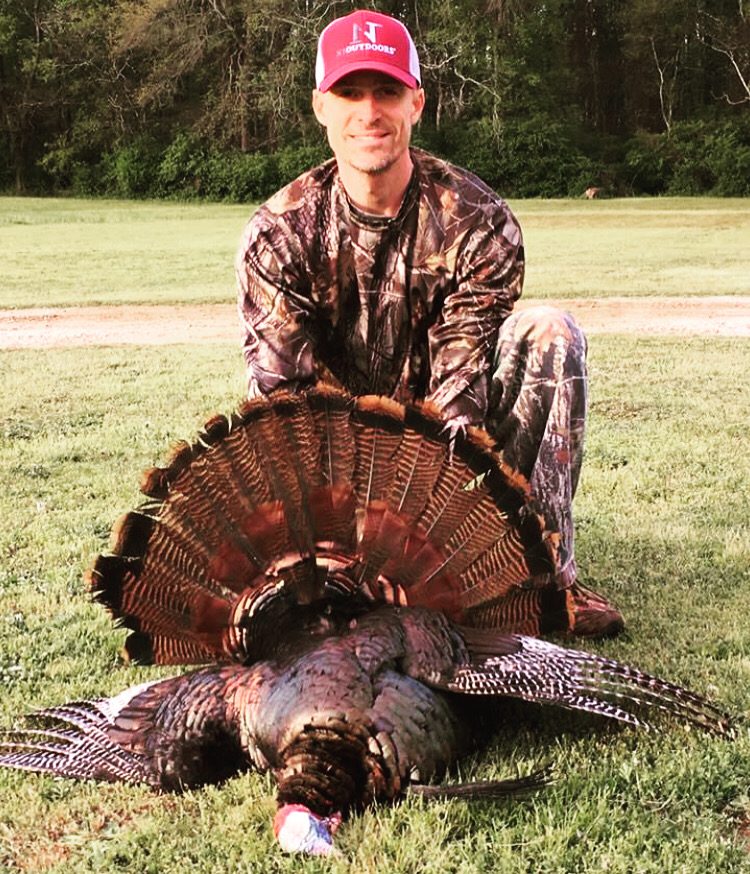
When it comes to durability, you need a turkey vest as strong as your love of hunting. Opting for quality materials and craftmanship can contribute immensely to the number of seasons you can hunt in a particular vest. Why not have turkey harvest pictures that show you wearing the same vest year after year!
Choose vests crafted from durable, waterproof materials such as ripstop nylon or tough polyester. These materials durable and resistant to wear and tear. Also, the reinforced stitching in high-stress areas (such as the straps and pockets) can help prevent the vest from unraveling after a few seasons of rigorous hunting.
The Significance of Light and Functional Design
Turkey hunting can require a lot of walking over hilly terrain, so it is important to have a lightweight, feature-packed vest that’s high on toughness, yet low on bulk.
Price vs. Features: The Right Balance
Although you may be tempted to buy cheapest turkey vest you can find, it is worth spending more for higher quality. A good vest will serve season after season, be comfortable, durable, and useful – all of which will make your hunting experience that much more enjoyable.
So, when turkey season is on the horizon, consider these important turkey vest features. You’ll be well-prepared to take on anything turkey season throws your way. And, if everything goes right, maybe you’ll be posing for a picture behind a big gobbler’s fan!