raw land field

Much Better! | Eight Strategies For Improving Rural Land for Recreational Use

Owning rural land is a dream for many outdoor enthusiasts. The thought of being able to manage a property for your own recreational purposes brings anticipation of new ways to experience The Great Outdoors.

Whether you’re using your acreage for deer hunting, bird watching, camping, or simply escaping the fast pace of daily life, open land gives you unmatched freedom.

But, raw land rarely reaches its full potential on its own.
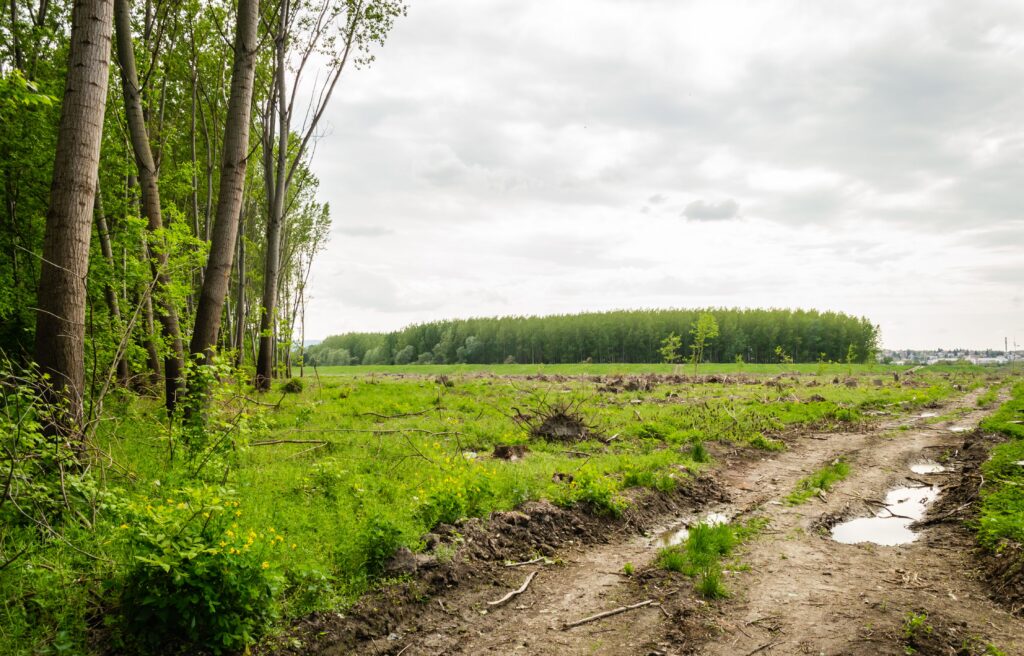
raw land to be improved

So, where do you actually start when you want to get the most out of your acreage? Well, it comes down to a few core projects. Below are eight practical rural property improvements that will meaningfully improve your land for hunting and outdoor recreation.

1. Establish Strategic Food Plots

One of the most effective ways to attract and hold wildlife on your property is by planting food plots. Food plots provide vital nutrition for deer, wild turkeys, and other native species, especially during tough winter months or dry summer stretches.

Raw land often lacks balanced nutrients, so introducing dedicated feeding areas creates a strong draw for local wildlife. It’s hard to beat watching a group of deer filter into a lush clover field right at dusk or a flock of turkeys going to roost.
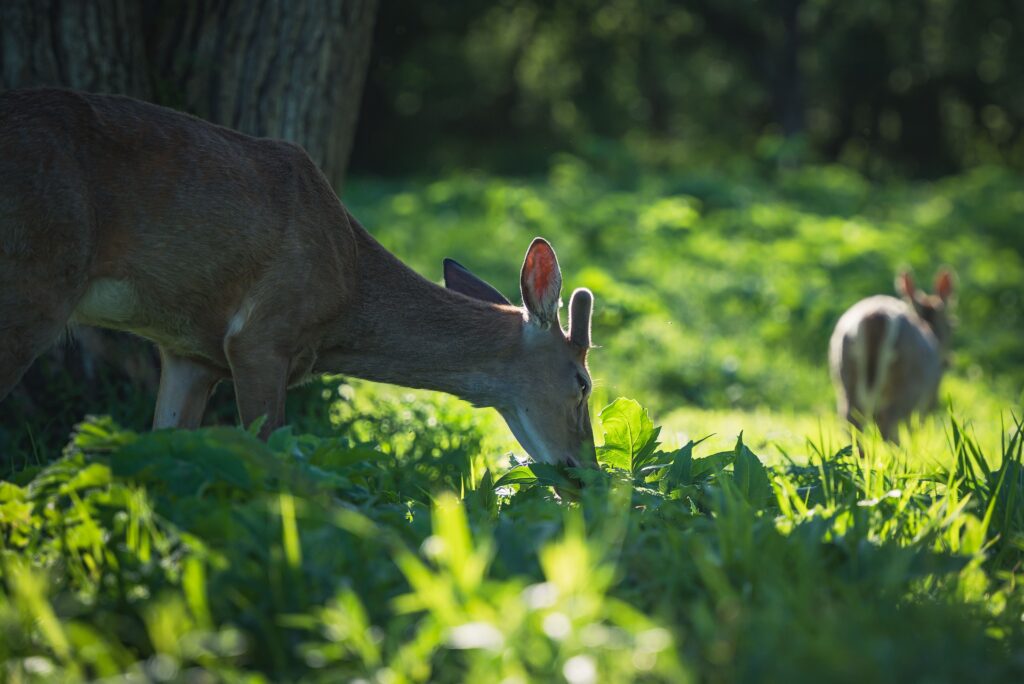
two deer in food plot

To get the most out of your food plots, plant a mix of warm-season and cool-season crops. Clover, brassicas, oats, radishes, and soybeans are great choices that offer year-round forage. Place smaller food plots near natural thickets so animals feel safe while feeding during daylight hours.

These smaller, strategically hidden plots work exceptionally well for bowhunting setups, while larger agricultural fields support overall herd health across the whole neighborhood.
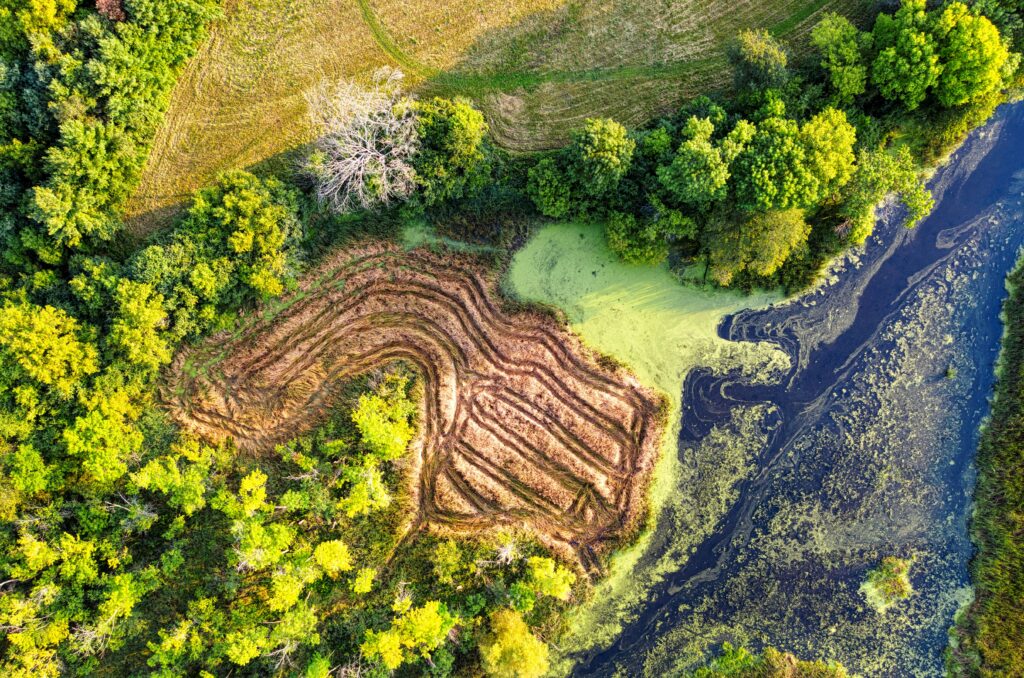
hidden food plot

2. Build and Maintain Clear Trail Systems

Navigating dense timber or overgrown brush can quickly turn an enjoyable afternoon into a frustrating chore. Creating a clear, well-mapped network of interior trails improves accessibility across your entire acreage. Without decent access roads or paths, managing your habitat or moving gear efficiently becomes nearly impossible.
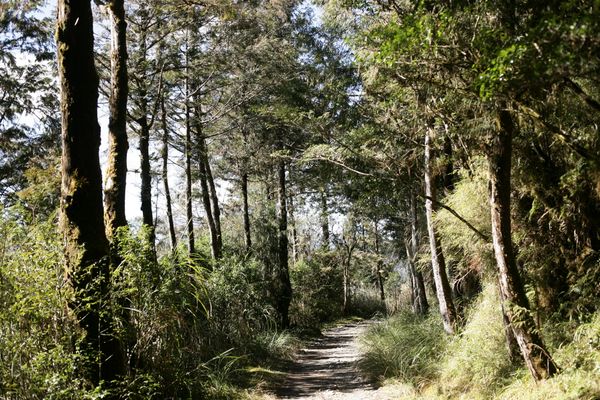
creating trails on rural land

A well-planned trail system lets you accomplish several key goals on your land:

  • Move quietly to and from hunting blinds without disturbing bedding game.
  • Navigate the land easily using off-road vehicles, tractors, or horses.
  • Access remote corners of your property for routine maintenance, timber clearing, or fence repairs.


3. Create Permanent Water Sources

Wildlife needs needs not only food and cover, but water sources as well, to survive and thrive. Water is often the missing link on otherwise great properties, and if your land lacks a natural stream, creek, river, or spring, adding a water source can be a total game-changer for wildlife management.
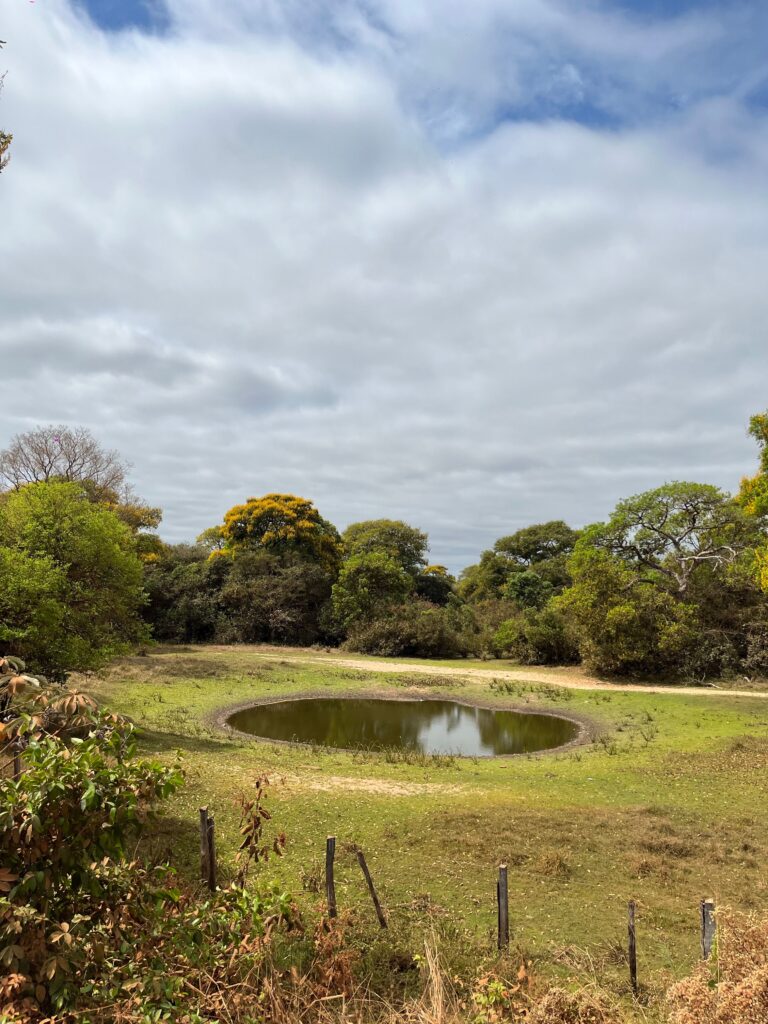
pond on rural land

Investing in major habitat upgrades like pond excavation or heavy clearing takes time and capital. If you’re blessed to have deep pockets, funding these projects may not be an issue. However, if you need working capital, many property owners choose to apply for a home equity loan to secure the funds needed for large-scale land improvements, helping them bring their long-term vision to life without depleting their short-term savings.

4. Develop Wildlife Cover and Bedding Areas
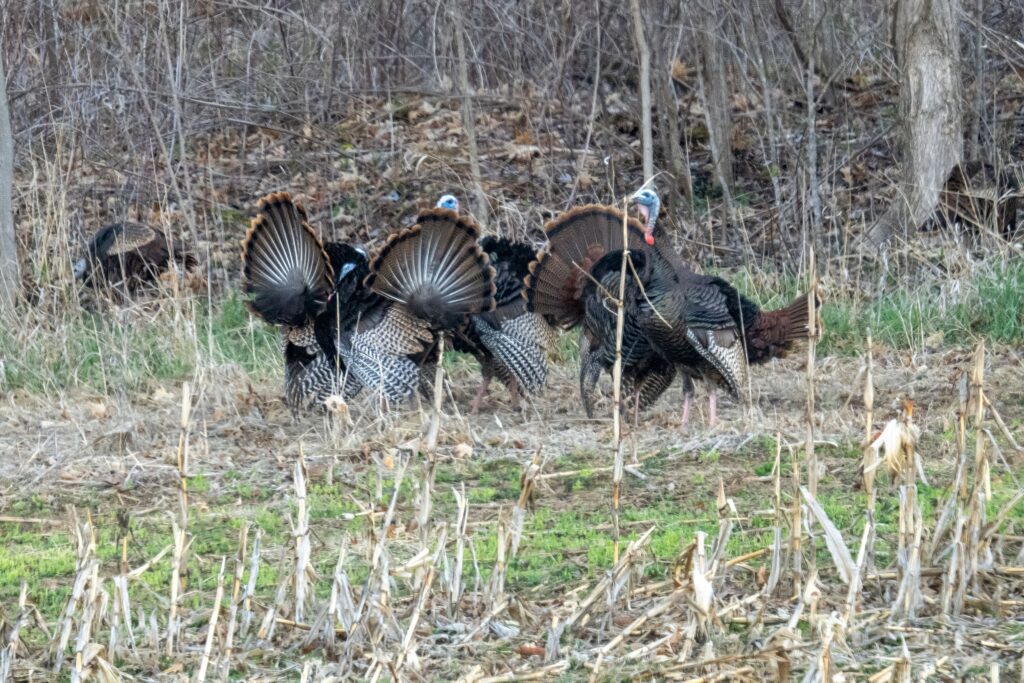
fall turkeys

So how do you turn open woods into prime cover?

You can improve natural cover by implementing timber stand management practices. Hinge-cutting low-value trees creates thick horizontal bedding areas and brings edible green foliage down to ground level.

Additionally, planting native warm-season grasses, such as switchgrass or big bluestem, creates dense screen cover for wildlife. These tall grass stands offer privacy for deer, nesting habitat for upland birds, and visual barriers along property edges.


MechMaxx 84" Land Plane Scraper Grader with 6 Shanks, Model LP84
$2,299.00
Buy Now
We earn a commission if you make a purchase, at no additional cost to you.
09/24/2026 04:43 pm GMT

5. Build Quality Hunting Blinds and Elevated Stands
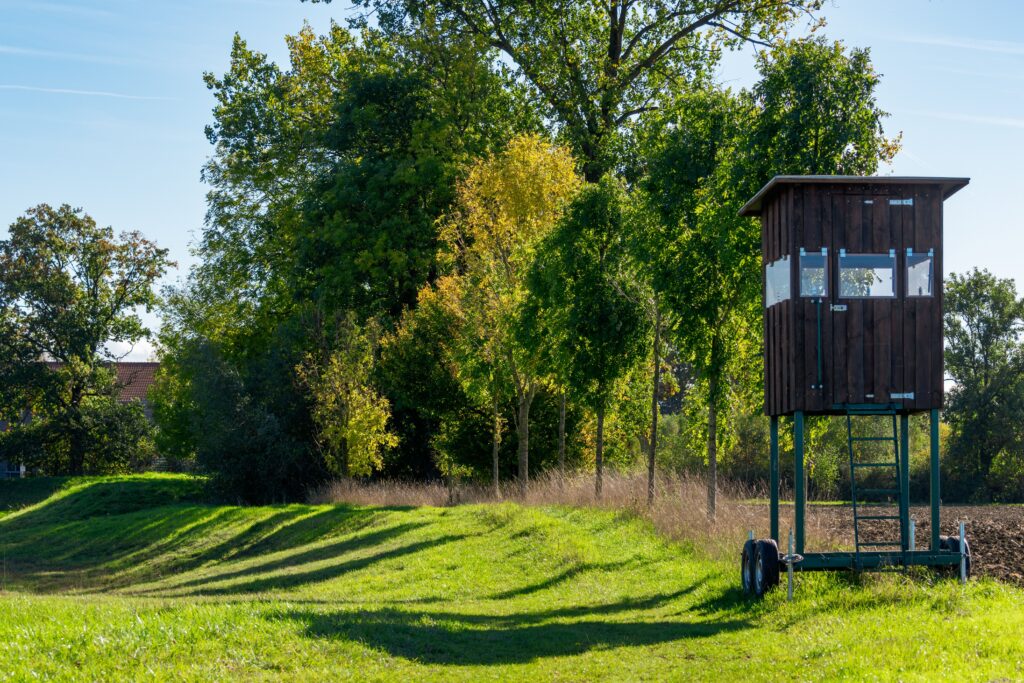
box stand on edge of food plot

Elevated box blinds are also ideal for teaching young family members or beginners how to hunt, since they conceal movement and dampen sound. Position these blinds downwind of key trail intersections, food source edges, or bedding areas so you can maximize your visibility while keeping your scent footprint low. There is a quiet peace in sitting in a dry blind listening to the rain hit the roof. And remember, that peacefulness is probably one of the reasons you’re on this journey of rural land improvement after all, right?

6. Clear Spaces for Camping and Fire Pits

Sitting around the crackle of a wood fire after a long day of outdoor work makes every bit of effort worth it. Isn’t peaceful time in the outdoors why you started this rural land journey in the first place?

hot dog roasting on campfire

Choose a flat, high-ground location with good natural drainage. Clear away fallen brush, establish a fire ring using local stone, and create space for pitching tents or parking recreational vehicles. Adding a gravel pad, an open pavilion, or a small storage shed can provide functional infrastructure that makes weekend getaways much easier and more comfortable.

7. Install Boundary Fencing and Secure Gates

Security and privacy are essential if you want to fully enjoy your rural land. Proper boundary fencing clearly marks your property lines, prevents accidental trespassing, and keeps unauthorized off-road vehicles off your private paths.
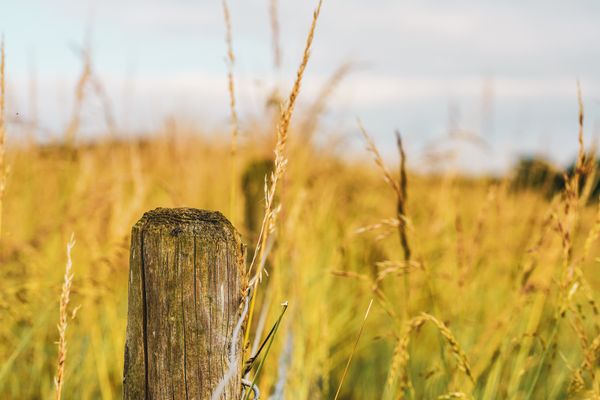
fence posts on edge of field


8. Improve Land Drainage and Soil Quality

Standing water and nutrient-depleted soil limit how effectively you can use your land. That’s why proper water drainage and soil management are important and can make your acreage accessible and productive throughout every month of the year.
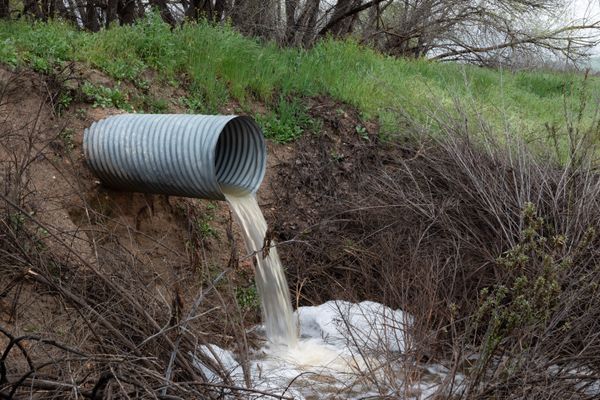
small culvert draining water on rural land

Rural Land Improvements Are Worth It

Upgrading rural land requires persistent effort and smart planning, but the rewards are well worth the investment. Standing on a ridge at sunrise, knowing every trail and food plot was established with your own hands, offers a satisfaction that few other projects can match.

By building trail networks, enhancing wildlife cover, securing water sources, and establishing comfortable camping spaces, you transform raw acreage into a thriving outdoor paradise for decades to come!
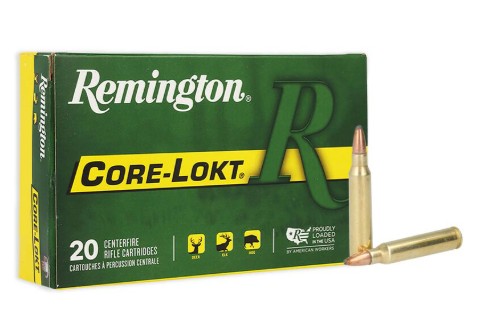
Core-Lokt 223 Rem, 62 Grain

Can the .223 Remington Really Work Well for Deer Hunting?

Every hunting season, hunters argue about the .223 cartridge, and both sides bring valid points.

Some hunters prefer larger rounds because they provide wider room margin for mistakes. Others value lighter recoil because accurate placement decides far more than caliber arguments.

The .223 Remington can certainly take deer cleanly under the right conditions. However, your success depends heavily on bullet design and sensible distance limits.

Check Your Local Rules Before Buying

Getting clear on your local game laws must come before any range work or field planning. For example some states allow centerfire rifles when hunters use bullets designed for expansion. Missouri follows that approach and doesn’t allow full metal jacket projectiles for deer. Elsewhere, Virginia prohibits rifles below .23 caliber, which excludes this cartridge statewide. Local county rules can also add further limits inside otherwise legal states.

So, review your state’s current wildlife booklet before every hunting season begins. Regulations can change between seasons and the article you read on the internet giving details on the legality may be obsolete. Your conservation department provides the final answer for your hunting area.

Why The .223 Cartridge Can Make Sense For Deer

Low recoil helps many hunters place shots with better control. After, all there’s nothing like flinching and prior to the shot to kill your shooting accuracy. Lower recoil also supports longer range practice sessions, and more practice builds confidence, so you can be ready when the moment of truth comes on the hunt.

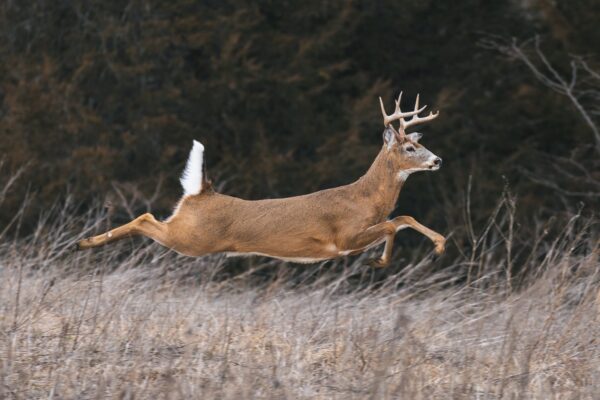
whitetail deer running

Younger hunters and smaller adults can benefit from reduced recoil during training, and also allow for more consistency in the field.

Bullet Construction Decides Everything

Standard practice rounds should never enter your deer rifle magazine. Full metal jacket bullets are built differently from expanding hunting bullets. Varmint bullets can also open too quickly and limit penetration.

Good .223 ammo should use bonded cores or controlled-expansion designs. Monolithic copper bullets provide another dependable route for deeper penetration. Heavier projectiles around sixty grains also give hunters useful construction options.

Bullet weight alone cannot be the determining factor of whether or not it’s suitable for deer hunting. A sixty-two-grain target bullet differs greatly from a sixty-two-grain bonded bullet. Read the factory specs before trusting any box in the field.

Keep Your Distance Conservative

A .223 cartridge gives hunters less forgiveness than larger deer rounds. Range should match your verified accuracy and the bullet’s performance. For many hunters, one hundred fifty yards provides a sensible maximum range.

Your own range may need to be shorter. Practice from kneeling positions and field rests before determining your range. Shooing bench groups cannot account for every scenario you may face outdoors.


Shot Placement Requires Extra Discipline

Broadside shots provide the clearest path through the vital area. Slight quartering-away angles can also work with proper bullet construction. Steep angles demand more penetration and reduce your available margin of error.

Passing on a questionable shot could prevent you from wounding a deer, resulting in hours of tracking and unnecessary suffering of the animal. Waiting on a good shot opportunity can also help preserve your confidence on the gun.

Aim through the heart and lung area behind the shoulder. This path gives expanding bullets useful tissue without excessive bone. Heavy shoulder impacts can challenge smaller projectiles from difficult angles.

Wait until the deer offers a stable broadside presentation. Your rest should support the rifle without adding unwanted pressure. Your trigger control should match the practice you put in before the season ever began.

When you make the shot, mark the exact location where the animal stood before attempting to track. Watch the departure direction and listen after the shot. Give the deer ample time to expire before beginning to track.

Top .223 Hunting Loads Worth Testing

Federal Fusion 62-Grain

Federal builds this load around a bonded soft-point bullet. The jacket connects with the core for better weight retention. A skived nose helps the projectile open in a controlled pattern. Federal lists a muzzle velocity of 3,000 feet per second.

This option makes sense when you want balanced expansion and penetration. Your rifle still needs accuracy testing before hunting season begins. Buy one box before ordering several cases for future hunts.

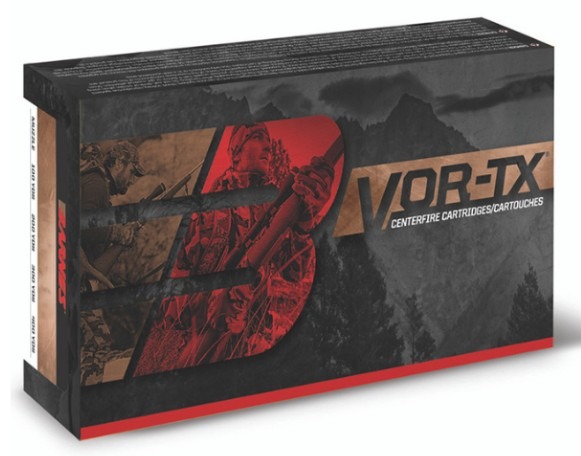
Barnes VOR-TX 55-Grain TSX

Barnes VOR-TX 55-Grain TSX 223

Barnes uses an all-copper bullet inside this factory load. The company describes expansion near twice the original bullet diameter. Copper construction also supports high weight retention during penetration.

This load deserves attention where lead-free ammunition receives preference. Check your barrel and group size before making decisions.

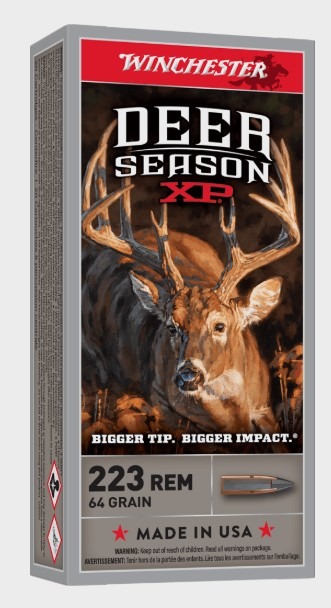
Winchester Deer Season XP 64-Grain

Winchester designed this product specifically around deer hunting needs. Its Extreme Point bullet uses a large polymer tip for rapid expansion. Winchester lists 3,020 feet per second from its test setup. Muzzle energy is listed at 1,296 foot-pounds from that barrel.

This choice may suit broadside shots at modest distances. Faster expansion can produce a wider wound channel near impact. Test several groups because every barrel has different preferences.

Winchester Power-Point 64-Grain

223 Remington 64 Grain power point

Winchester offers another sixty-four-grain option with a traditional soft point. The company markets this design for deeper penetration on whitetail game. Its simple construction has served hunters across many cartridge families.

This load provides a familiar choice without a polymer tip. Accuracy should decide between factory options with similar hunting purposes.


Test Your Final Choice Properly

Start with three-shot groups from a solid bench rest. Repeat those groups after the barrel cools.. Record group size and point of impact for each load.

Next, shoot from positions you may use while hunting. Include kneeling shots and supported standing shots during practice. Field practice exposes balance problems hidden by a stable bench.

Your final choice should meet several practical standards:

  • Every round should feed and extract without mechanical trouble.
  • Groups should stay inside your chosen vital-zone limit every time.
  • Point of impact should remain predictable after a cold bore.
  • Recoil should allow controlled follow-up shooting whenever another shot proves necessary.
  • Your chosen bullet must be legal within your location.

Confirm your zero with ammunition from the same purchased lot. Keep enough matching boxes for practice and your hunting season.

Know When Another Cartridge Works Better

Larger deer and longer distances call for more margin. Heavy cover can also limit shot angles and tracking visibility. A bigger cartridge may serve those conditions more responsibly.

Hunters who cannot wait for broadside shots need another option. The same advice applies when field accuracy exceeds four inches. Equipment should match realistic ability rather than hoped-for performance.

Is .223 The Cartridge For Your Next Deer Hunt?

The .223 ammo debate will probably continue for many years. However, we can still reach a fair answer through practical limits. Proper bullets and disciplined shot selection make this round viable in deer hunting scenarios.

Your best results begin with legal research and careful testing. Keep your range conservative and pass when you have uncertain shot angles. Remember, deer hunting rewards patience far more than bold caliber claims.

The .223 cartridge can serve capable hunters who understand its narrower margin. Choose purpose-built ammunition and practice from real field positions. Your preparation will often determine your success long before opening day arrives.

Safe hunting!

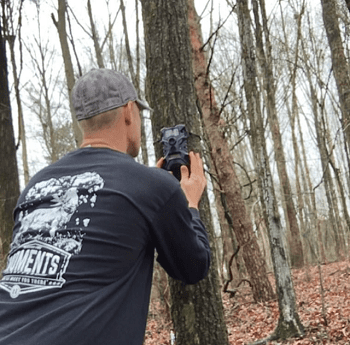
man mounting a trail camera to a tree

Too Much Information? | How Often Should You Check Your Trail Cameras? 

One of the most common questions new hunters ask is, “How often should I check my trail cameras?”

Some hunters check their cameras every few days because they don’t want to miss new activity. Others leave cameras alone for weeks to avoid disturbing deer and other game animals. Both approaches can work under the right circumstances, but neither tells the whole story.

The real goal isn’t simply deciding how often to visit your cameras, but rather collecting useful information while causing as little disturbance as possible.

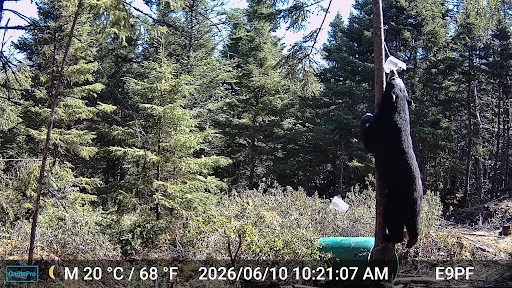
bear trail camera pic

Why Checking Too Often Can Work Against You

Every visit to a trail camera leaves behind more than footprints.

Walking through bedding areas, driving an ATV down access roads, opening camera housings, trimming branches, and simply spending time in the area all introduce noise, scent, and disturbance. Mature bucks may not abandon a property after a single visit, but repeated human activity can gradually influence where and when they move.

This is especially true during the weeks leading up to hunting season, when deer have established relatively predictable summer patterns. Frequent visits can unintentionally change the very behavior you’re trying to observe.

For this reason, many experienced hunters try to gather as much information as possible while making as few trips into the woods as practical.

There Isn’t One Perfect Schedule

The ideal checking frequency depends largely on why the trail camera is there in the first place.

If you’re monitoring a mineral site or food plot during the summer, checking every two to four weeks is often enough. Deer movement tends to be fairly consistent during this period, and there’s usually little benefit to disturbing the area every weekend.

As the season approaches, many hunters become tempted to check cameras more frequently. While changing deer patterns certainly make fresh information valuable, excessive visits can also increase hunting pressure before opening day. Finding a balance between collecting current information and preserving natural deer movement is often more important than following a fixed schedule.

During the rut, deer movement becomes much less predictable. Some hunters increase the frequency of reviewing new images during this period, while others rely on remote image transmission to stay informed without repeatedly entering the property.

moose trail cam pic

“Checking” a Trail Camera Doesn’t Always Mean Visiting It

Ten years ago, checking a trail camera almost always meant walking into the woods, removing an SD card from your trail camera, and reviewing photos back at home.

Today, that definition has changed.

Traditional trail cameras still require physical visits to retrieve images. They remain an excellent choice for many hunting situations because of their simplicity, long battery life, and affordable cost.

Wi-Fi trail cameras make the process more convenient by allowing hunters to connect directly to the camera with a smartphone when standing nearby. Instead of removing the SD card, users can preview images, adjust settings, and download photos wirelessly.

Cellular trail cameras go one step further by transmitting images through the mobile network, allowing hunters to review new activity without visiting the camera at all. This significantly reduces unnecessary trips into the woods, especially for cameras placed in sensitive locations where minimizing human presence is part of the overall hunting strategy.

As camera technology has evolved, “checking your trail camera” has become less about physically visiting the tree where the camera is mounted and more about accessing the information it collects.

The Hidden Problem: Reviewing Thousands of Photos

Reducing trips into the field solves only part of the problem.

Eventually, every hunter still has to review the images.

After several weeks in the woods, it’s not unusual for a trail camera to capture thousands of photos. Many of them are valuable. Many are not.

Changing sunlight, moving branches, blowing grass, squirrels, raccoons, and countless other triggers can fill an SD card with images that provide little useful information. Even if the camera successfully captured the deer you were hoping to see, finding those few important photos can take far longer than expected.

Ironically, many hunters spend more time sorting images at home than they spend checking the cameras themselves.

AI Is Changing How Hunters Review Trail Camera Photos

This is one area where recent trail camera technology has made a genuinely practical improvement.

For example, cameras like the GardePro X66 Pro Max AI Camera introduce AI Tags that automatically categorize captured images. Instead of scrolling through thousands of files one by one, hunters can filter photos by species with a single tap, making it much easier to locate deer, turkey, or other wildlife.

The benefit isn’t simply convenience.

If you’ve allowed your trail cameras to remain undisturbed for several weeks, the amount of information waiting for you can be overwhelming. AI-assisted organization helps transform that large collection of images into something that can be reviewed quickly, making every camera check far more productive.

Instead of encouraging hunters to visit their cameras more often, this technology helps them gain more value from each visit.

Smarter Uploads Can Reduce Unnecessary Notifications

Another recent development addresses a different frustration.

Cellular trail cameras make it possible to review images remotely, but anyone who has used one extensively knows that not every notification is worth opening.

Wind moving through tall grass, shifting shadows, or vegetation passing in front of the sensor can generate hundreds of empty photos over the course of a week. Besides filling your gallery, these unnecessary uploads also consume battery power and cellular data.

Features such as Smart Capture, available on cameras like the aforementioned GardePro X66 Pro Max, allow hunters to choose which types of photos should actually be uploaded through the cellular network. Images that don’t contain the target species can remain stored on the SD card while only meaningful captures are transmitted to the app.

The result is a cleaner gallery, fewer unnecessary notifications, and more efficient use of cellular data.

Most importantly, when you open your app to “check your cameras,” you’re spending more time looking at useful wildlife activity and less time deleting empty frames.

So, How Often Should You Check Your Trail Cameras?

doe in snow trailcam pic

There isn’t a single answer that applies to every hunter or every recreational property.

Regardless of the camera you choose, the objective remains the same: collect useful information while interfering with wildlife as little as possible.

Modern features such as live image access, AI-assisted photo organization, and intelligent upload filtering don’t necessarily change how often you need to check your trail cameras. What they do change is how efficiently you can use the information once it’s available.

Frequency Is Not The Goal

Hunters often focus on how frequently they should check their trail cameras, but frequency is only part of the equation.

A better question is whether each check provides meaningful information.

By limiting unnecessary visits, allowing deer to behave naturally, and taking advantage of technologies that simplify image management, hunters can spend less time managing cameras and more time understanding wildlife movement.

Whether you’re reviewing an SD card after several weeks in the field or opening an app to see the latest activity from a cellular camera, make every camera check count!