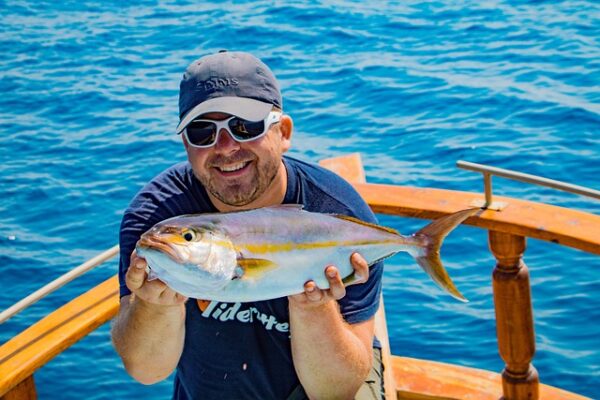
The hardest part of your first offshore trip is typically getting your scheduled day to work out when the weather changes, someone feels unwell or the fishing takes longer than expected to become “catching.” An angler who is already comfortable on a lake or other body of water already brings useful habits: preparing tackle, paying attention to weather conditions and being mindful of other people on board.
Offshore fishing adds a different area and a different set of decisions, and it’s important to learn those with an experienced captain or instructor before taking responsibility for an unfamiliar trip.
Start with a manageable outing and a clear plan. The fish can remain unpredictable, but the jobs aboard do not have to be.
Determine who is in charge
For a first trip, an experienced local charter captain can provide the boat, local knowledge and an established way of running the outing. So, you should always ask what is included in the purchase of the charter, what you should bring, and what experience the trip will provide.
If you are joining a friend’s boat, be sure to know who is operating it, how decisions will be made and what role, if any, you are expected to take during the trip. If you are preparing your own boat, work with qualified local instruction to establish appropriate limits for your skills and equipment as it pertains to the waters you’ll be navigating. The boat’s size or reputation should not set those limits on its own.
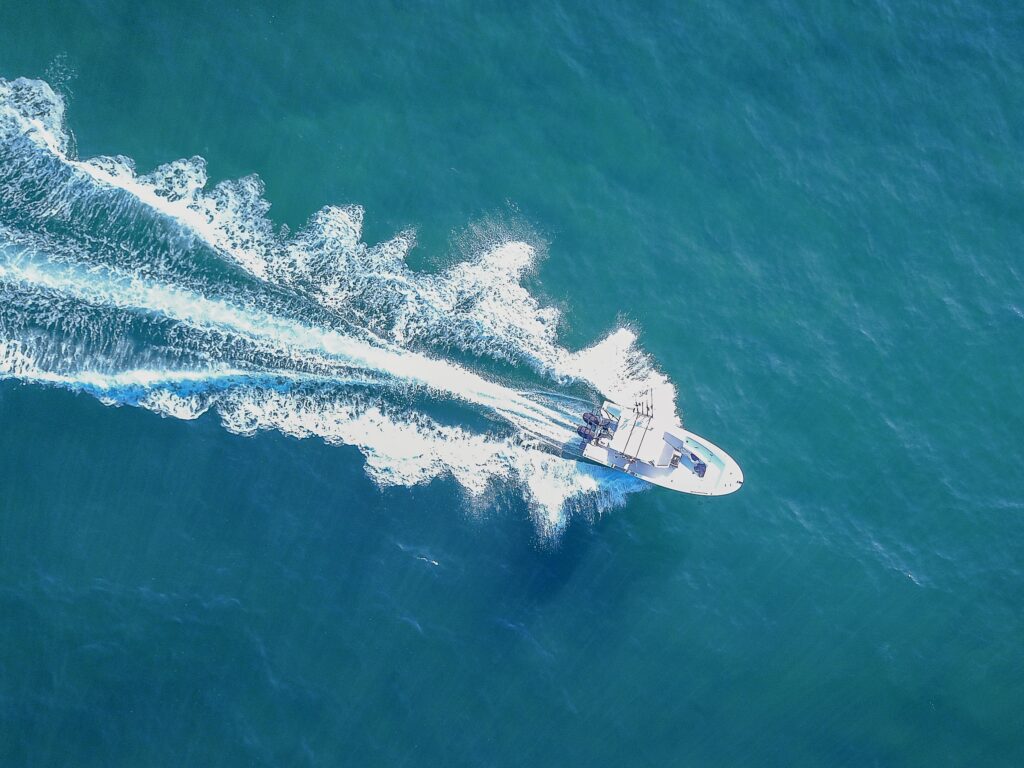
Keep the first outing modest; a shorter trip with time to learn the routine is useful, even if it involves less time to fish. There will be other opportunities to extend the day as your knowledge develops.
Agree on the fishing plan first
Always be sure to ask which species and methods the captain expects to concentrate on. That determines what to bring and what can stay at home. Several large tackle bags can become a storage problem without adding anything useful to the trip. Your captain can help keep you from becoming on over-packer.
N1 Outdoors’ saltwater-fish guide offers an introduction to some familiar (and tasty) catches. For your particular trip, check the current rules and regulations with the responsible fisheries authority, as well as the captain. Seasons, permitted gear and retention rules are specific to the location and species you are after.
You should decide beforehand whether you hope to keep any legal catch, and arrange suitable handling and storage in advance. Do not wait until a fish is aboard to discover that no one has brought what is needed.
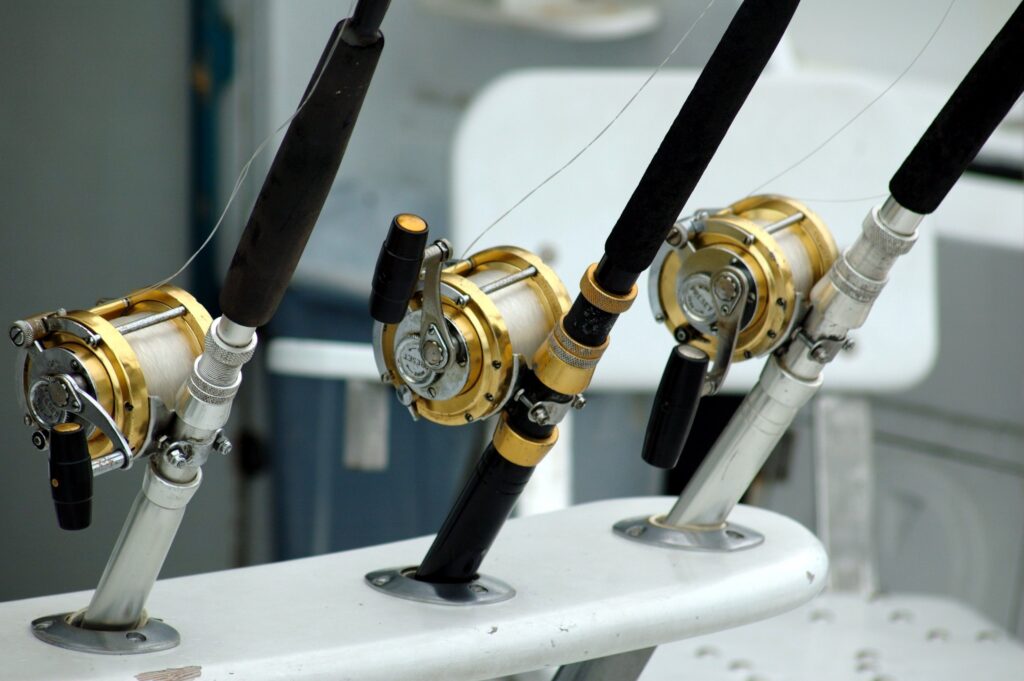
Keep tackle organization simple. Label a few small boxes by use and check with the captain before rigging. A new crew learns more easily when it is not trying to copy several different fishing methods at once.
Examine the forecast
- A weather app’s sunshine symbol is not enough information for an offshore outing. The National Weather Service marine forecast guidance explains that marine forecasts include wind, wave conditions, and significant weather over a defined area.
- The return trip matters as much as the departure. So, remember that a fair weather start to your trip does not guarantee that the whole outing will remain that way. Be sure to check the relevant forecast and warnings with the captain, including the expected conditions later in the day.
- Ask how a change in conditions affects the plan. You should understand whether the trip may be shortened, moved to a different area or postponed. Having that conversation before departure removes pressure to improvise around a timetable everybody assumed was fixed.
- Keep an alternative for a cancelled day. A local tackle-shop visit, lunch or a sheltered shore activity can make it easier for the group to accept a sensible cancellation. Nobody should feel that the cost of travelling to the coast requires the captain to go.
Slay the fish in these incredible fishing shirts!
-
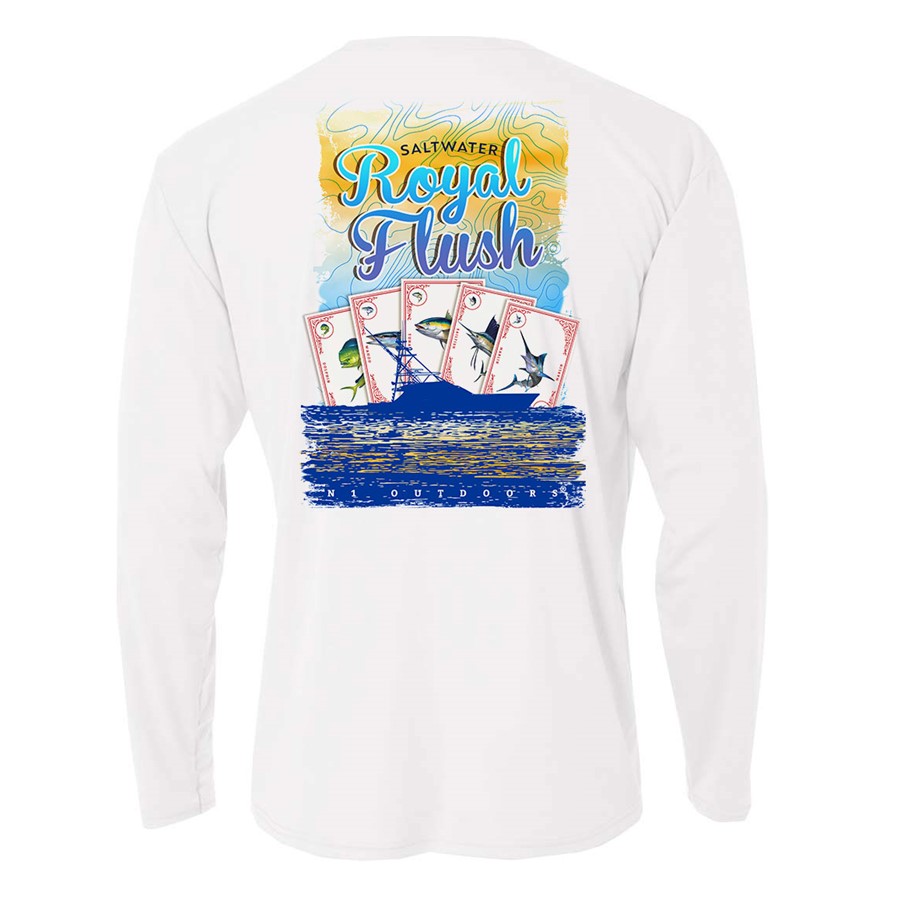
N1 Outdoors® Royal Flush™ UPF 45+ Performance Fishing Shirt
$19.00 -
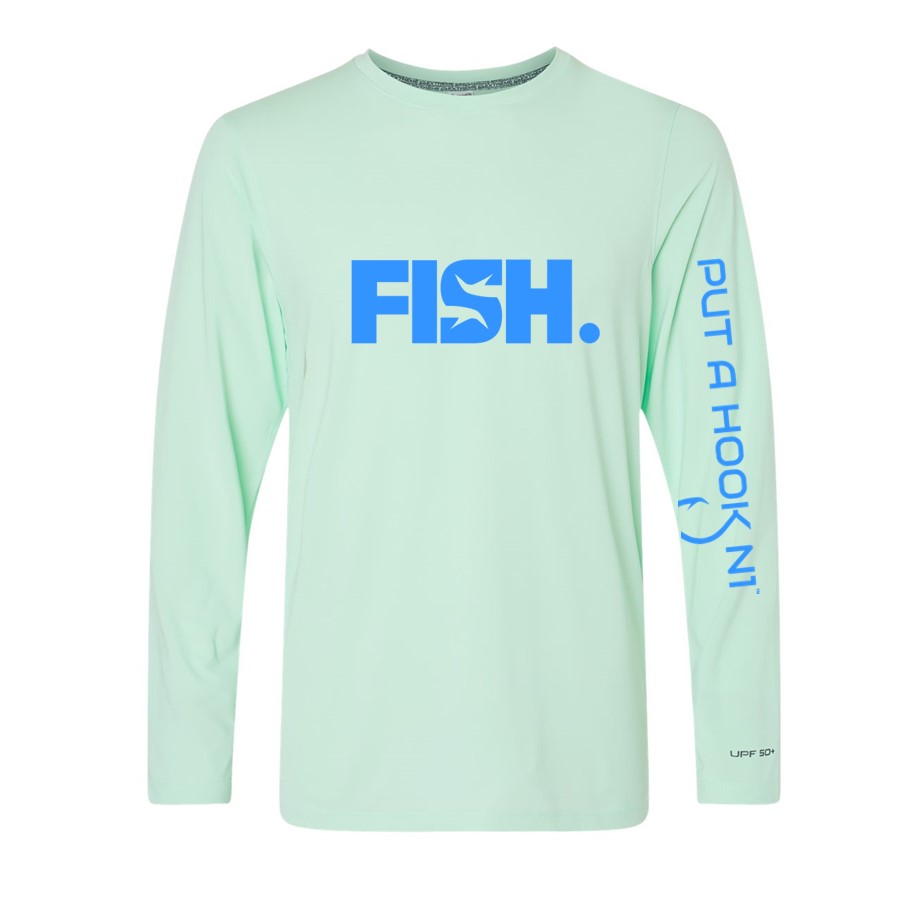
N1 Outdoors® FISH. Performance UPF 50+ Shirt
Price range: $37.99 through $39.99 -
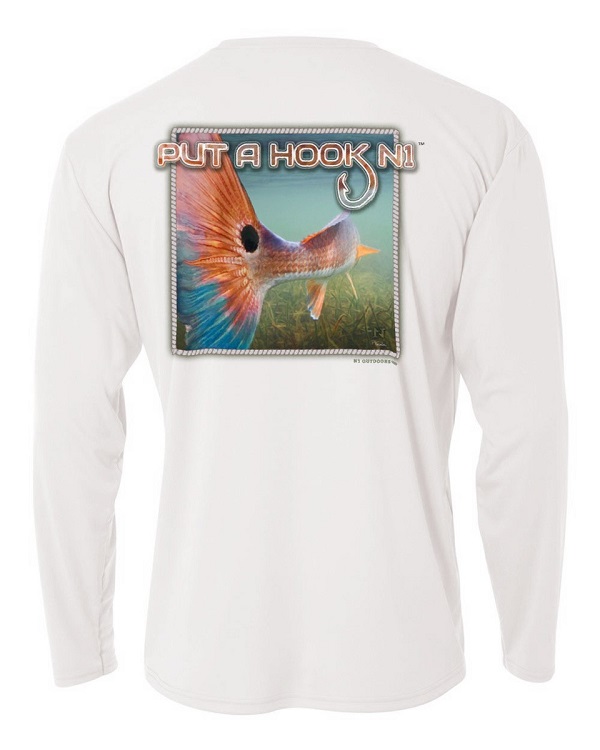
Put a Hook N1™ UPF 50+ Redfish Performance Fishing Shirt
$15.00
Store items securely
Before departure, ask where personal bags, drinks and spare clothing should go. Keep access routes and working areas clear. Learn which lockers are for safety equipment and which spaces the crew needs during fishing.
The fishing arrangements described by Regulator provide useful examples of the kinds of features anglers consider when assessing a boat. On any vessel, look beyond the feature list to how the crew will use the space: access to tackle, movement around the console and the route from a fishing position to storage.
Do a walk-through while the boat is secure and when the captain says it is appropriate. Note where various hooks, tackle and tools will be kept. Ask how the crew wants rods carried and stowed, and where passengers should sit during travel.
Leave unfamiliar systems alone until their operation has been explained. A boat owner may have a particular procedure for a hatch, livewell or electrical control. The useful question is how that boat is operated, as opposed to statements on how a similar one worked on another trip.
Keep phones and essential personal items secured and protected as appropriate. Ask which communication equipment the boat carries and who knows how to use it. Do not assume that a phone will provide reliable communication throughout the trip.
Learn the plan for an unexpected return
The person ashore who knows your itinerary should also know what to do if you are overdue. The Coast Guard’s float-plan guidance provides a practical starting point. The operator should keep the plan appropriate to the trip and close it out when the boat returns.
Before leaving, have the captain identify the safety equipment and explain the relevant procedures. That includes how to communicate a problem and what passengers should do if the operator needs help. Also be sure to wear a properly fitted life jacket suitable for the activity and follow all the captain’s instructions.
Make the day comfortable
Ask the captain what clothing and footwear are suitable for the boat and expected conditions. Be sure to bring water and the food you have agreed to bring, packed so that it fits in the available storage.
Consider sun exposure and the possibility of water spray even when the morning feels mild. Secure hats and loose items before traveling., and keep a spare layer where you can reach it without unloading a locker.
Anyone concerned about seasickness should get appropriate medical advice before the trip, especially before using medication. Tell the captain early if you feel unwell. Keeping quiet to avoid inconveniencing others can make it harder to adjust the day.
If children or inexperienced passengers are joining, plan around their attention level and comfort, in addition to the fishing. The best introduction to offshore fishing for some may be a shorter trip than an expert angler might plan for.
Determine the crew’s movements
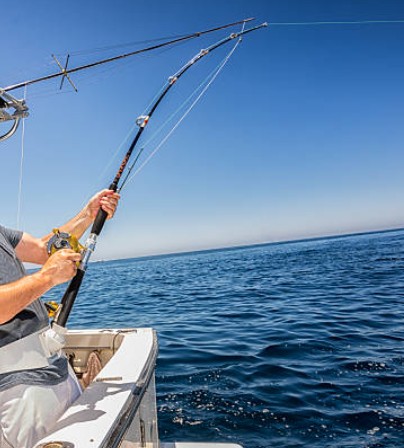
Ask the captain to explain who will handle the rod, who will clear other lines and who will use landing equipment. New anglers should not have to guess where to stand while several people move at once.
N1 Outdoors’ guide to sharks in Gulf waters is a reminder of how varied offshore fishing catches can be. Identification, handling, and release decisions belong with a person who is experienced in offshore fishing as well as with all applicable rules. And remember, as much as offshore fishing trips can help create unforgettable moments, a photograph should never take priority over those decisions.
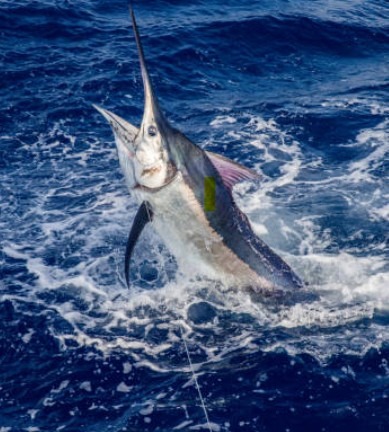
It’s important that everyone onboard knows who is responsible for handling and releasing any catches.
If you come from a kayak fishing background, you may recognize the value of keeping frequently used items organized, and unnecessary gear out of the way. And, while a small, deliberate kit can be useful, offshore equipment and operating procedures still require their own instruction.
Leave time for after the fishing
It’s important to remember that the outing continues even after the last line is retrieved. The crew needs to secure equipment, return the crew safely, and deal with the boat and catch at the dock. If you are aboard your own boat, follow the relevant equipment manuals and boat service guidance for cleaning and care. Record any problems or concerns while they are fresh on your mind. A problem that seems minor at the dock can be easy to forget before the next departure.
Make a short note about the day: the conditions, the fishing methods used, what the crew needed and what you would pack differently next time. Keep the focus on observations you can use. After all, a “successful fishing day” is great, but the catch is only one part of the equation. How smooth and efficient the overall trip was is important as well.
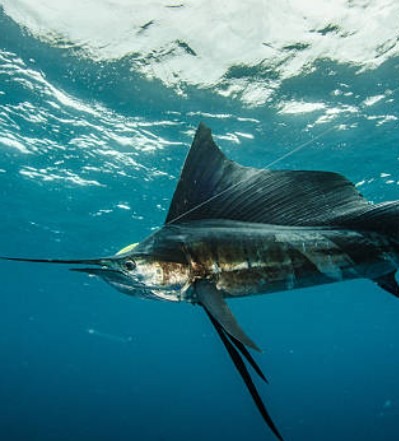
Agree on photographs before the busy moments arrive. Ask where a phone or camera can be safely kept and when taking it out might interfere with the crew. A new angler may be concentrating on the rod, while another person is moving equipment or watching the boat’s position. So, let the captain decide when there is time for a picture. You will have a better memory of the day if documenting it does not become another task that everyone has to manage.
Before booking again, ask the captain what would make a suitable next step. Another trip in similar conditions may teach you more than immediately going farther out. Familiar routines help you learn not only how to catch more fish, but also about the waters you navigate and the people you experienced your adventure with.
Be safe, and have fun out there!