fly fisherman holding fish in river

How To Read Fishing Forecasts [So You Don’t Waste Your One Day Off]

on . Posted in Blog, Fishing

More than 57 million Americans went fishing in 2023, according to the latest Special Report on Fishing from the Recreational Boating & Fishing Foundation and Outdoor Foundation. Additionally, NOAA’s Fisheries of the United States report shows that recreational anglers took over 200 million saltwater trips in 2022 and caught about 1.1 billion fish, releasing around 61 percent of them.

When you remember that a big share of those anglers only manage a few trips a year, it makes sense that wasting your one free Saturday on bad conditions or a dead bite can feel pretty frustrating.

But, the upside is encouraging.

man holding two sheepshead fish

With a few minutes of smart planning, using reliable forecasts, tide information and one of the many fishing apps (like Fishing Points, for example), you can dramatically improve the odds that your limited time on the water will feel worth it. This article walks through why conditions matter more than most weekend anglers realize, how to read a fishing forecast without getting overwhelmed, and how to turn all of that into a simple weekend game plan you can repeat.

The One-Day-Off Pressure Cooker

If you only get a couple of real fishing days each month, you’re in very familiar company. Participation research behind the RBFF Special Report shows that while tens of millions of Americans fish, many of them fall into the “occasional angler” category, going out only several times a year rather than every weekend. Those trips carry a lot of weight, not just for catching fish but for time with family and friends.

hot sun in sky

Coastal research shows a similar pattern with storms and rough marine conditions. A 2023 study of coastal Louisiana found that recreational fishing effort dropped significantly in weeks with high winds, heavy rain and tropical disturbances, and that participation didn’t bounce back instantly after storms. In other words, uncomfortable and risky conditions don’t just affect how the day feels, they can decide whether you go at all.

When you put that together with the reality of limited days off, it becomes clear why a more deliberate way of reading the forecast is worth the effort. You’re not trying to chase perfection; you’re protecting a handful of chances that really matter to you.


How To Read Fishing Forecasts (Without the Headache)

Most anglers open a forecast app, see a wall of numbers and icons that they may tune out, and focus on just one or two things.

But, it doesn’t have to stay confusing.

The research that links weather and participation actually gives you a simple hierarchy: check what can ruin the day first, then look at what can help the bite.

lightning on lake

Next, look at temperature and overall comfort. The weather-and-recreation work that identified participation drops during extreme heat is a reminder that even if it’s safe, a sweltering afternoon can sap your energy and your family’s patience. Shifting your plan toward cooler parts of the day, like early morning or evening, can be the difference between a trip you remember fondly and one you’re eager to forget.


Once those boxes are checked, turn to tides, solunar information and fish-activity forecasts. This is where dedicated fishing apps really help. These tools combine detailed weather and marine forecasts with tide charts, solunar data and species-based activity predictions in one place. Official app-store listings and developer sites describe global coverage, hourly conditions and millions of downloads, with large numbers of anglers using these platforms across web and mobile versions. That scale matters because you’re leaning on tools that are built on established meteorological, oceanographic and astronomical data, not guesswork.

One practical mindset is to treat all this data like a simple set of signals. If wind or advisories make it unsafe, it’s an automatic “no” regardless of how good the tide looks. If conditions are safe but very hot or uncomfortable, it might be a “maybe” that pushes you to tighten up your timing. When safety and comfort look reasonable and your app shows at least one strong activity period in your available window, that’s as close as you’ll get to a realistic green light.

Once the app and the underlying data handle the heavy lifting, your mental energy is freed up for decisions that feel more personal, like choosing a spot that’s friendly for kids or deciding whether to try a new stretch of shoreline. That shift alone can make trip planning feel less stressful.

Your 10-Minute Weekend Game Plan

Knowing how to read the forecast is useful. Turning it into a quick routine you follow every week is where things really start to work in your favor. The scale of recreational fishing times in the U.S. makes this especially relevant: NOAA’s national report puts recreational trips in the hundreds of millions each year, with catch and release forming a huge part of that activity. A lot of those outings are short, everyday trips that need a simple plan, not a complicated system.

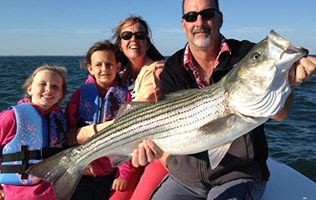
man holding striped bass
  1. Mid-week, usually around Wednesday, open your preferred fishing app and your local marine forecast to scan the upcoming weekend. Rule out days that already show strong winds, storms or advisories for your area, so you don’t mentally commit to something that’s very unlikely to feel safe or enjoyable.
  2. The day before your trip, go back into your app and pick a specific 3-to-4-hour window. Look for overlap between your actual availability and higher activity periods, and aim for moving water rather than slack tide whenever possible.
  3. On the morning of your trip, do one last check for updated forecasts or warnings. If wind, waves and temperature still fall within your comfort level and your chosen window still lines up with at least decent activity, you’re ready to go.

This routine fits around real life. Whether you’re meeting friends at a local pond, launching a small boat in the bay or sneaking in a dawn kayak session before family plans, it doesn’t demand that you rebuild your week around fishing. It simply asks you to look ahead a bit and match your limited time to the best available conditions.


StoreYourBoard Kayak Dock Storage Rack, Outdoor Over The Water Mount, Holds 400 lbs, Heavy-Duty Metal Stand
$349.99


Buy Now
We earn a commission if you make a purchase, at no additional cost to you.
03/13/2026 05:00 am GMT

Under the hood, you’re leaning on serious datasets and models. NOAA’s Marine Recreational Information Program provides trip and catch estimates that help agencies understand when and where people fish. Academic work on weather and participation explains why wind, waves and heat sit at the top of your decision tree, while modern fishing apps pull together tides, solunar phases and forecasts to show likely windows of activity. You’re using the same building blocks that guide more frequent anglers and charter captains, just in a streamlined way that fits a normal schedule.

Over time, you’ll probably notice your own patterns. You might realize that a certain pier comes alive on an incoming tide after lunch, or that a nearby flat fishes better on a morning low with a gentle breeze. Those observations matter, and they layer on top of your forecast routine without replacing it. The key is that you’re no longer betting your only free day purely on habit or hope.

More Fish and Better Memories

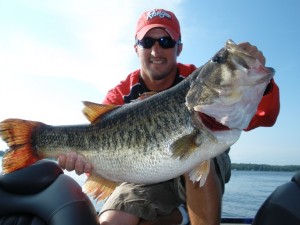
man holding largemouth bass on lake fork

Modern tools sit right in the middle of those two truths. NOAA and long-running survey programs provide the baseline data that describe trips and catches, while fishing apps draw on weather, tide and solunar information to put practical activity windows in your hand. Treating a short, focused forecast check as a normal part of gearing up, right alongside spooling line or packing snacks, is a small habit that gives you a lot more control over how your few free days actually feel.

In the end, the goal isn’t to chase some perfect formula; it’s to stack the odds in favor of more safe, comfortable trips where something happens on the end of the line and the people with you want to go again. With so much reliable information now just a couple of taps away, why let your next hard-earned day on the water depend purely on guesswork?

Now, check your fishing app and plan your fishing adventure!

camping van

Sunshine State Adventure | The Ultimate Guide to Camping in Florida

on . Posted in Blog, camping

Some Americans are use winter to ponder their next camping getaway. To escape the cold weather, but also enjoy the great outdoors, one of the most compelling options within the US is undoubtedly Florida. The Sunshine State of sun-drenched coastlines, fertile wetlands, beautiful springs and luscious pine forests, all blend together to provide variety and natural beauty, and of course, warmer weather. 

For those looking for a Florida camping destination, some may opt to pitch their tent in the northern panhandle region or hook up their RV in the famous Florida Keys.

The below guide serves as a primer for practical insights into the state of Florida, with a focus on timing your camping trip, essential gear to bring, options for pet-friendly campsites and things to consider when camping in the Sunshine State. 

So, without further ado, let’s dive in and get you primed for the adventure!  

Florida Camping – Optimal Times And Seasons

camping in florida

While a popular camping destination, it’s a good idea to consider how weather can affect your trip, as the microclimates of Florida can shift suddenly and subtly, depending on the time of year. 

  • Spring (March–May): Warm but bearable, as Spring is ideal water-based fun and has fewer insects.
  • Summer (June–August): Beware: it is hot, humid and with periodic storms during the peak of hurricane season. If you are determined to camp in the Summer, prioritize morning activities and seek shaded areas during the heat of the day.
  • Fall (September–November): As much of the Summer tourism tails off, not only are there fewer crowds, but the prices can fall as well. However, please note the hurricane risk that persists at times into November, so be sure to check weather forecasts in advance.
  • Winter (December–February): Winters in Florida are generally mild and dry, particularly in the central and southern parts of Florida. Winter is a favored time for snowbirds, so campgrounds fill quickly, and rates can be higher.


Best Places To Camp In Florida With Your Pet

dog in camping chair in sand

The following are some important tips and hints when camping with your pet in Florida: 

  • Check out BringFido’s directory of pet-friendly campgrounds in Florida; here you can locate fee-free pet sites, large dog allowances and whether multiple pets are permitted.
  • Looking at the Sarasota area, you’ll certainly uncover a ton of great options for pets, with Oscar Scherer State Park and Fort De Soto Campground that are particularly great for dogs.
  • Think ahead: Be aware of the local pet services for emergencies. If your pet were to have an accident or sudden illness, it’s good to know where to head to. For example, you could search before you leave for a low cost emergency veterinarian service in Gainesville, Florida, if indeed you’re camping in the north-central region.
  • At the reservation stage, assess whether pets are permitted in tent-sites / cabins / RV sites. Often, leash length restrictions apply (typically 6 ft), while pets on some sites are restricted from common areas and swimming zones.
  • Be sure to stock up on pet-specific gear (e.g., leash, mat, water bowl, waste bags) and decide on a nearby vet service (all for your peace of mind). For example, UrgentVet veterinary urgent care for pets is a vital resource for unanticipated pet health problems.


Essential Gear – What Should I Pack?

When camping, comfort is everything. In Florida, the climate and differences in camping will decide what gear you’ll need:

  • Shelter and bedding considerations: A tent or RV equipped for heat and humidity, with breathable fabrics and adequate ventilation.
  • Sun protection gear: Bring a wide-brimmed hat, high-SPF sunscreen, and consider UV-filter sunglasses to protect your eyes from the intense sunshine.
  • Insect and pest protection: Bring plenty of insect repellent, consider long-sleeve shirts and pack plenty of citronella candles or incense.
  • Rain and storm preparedness: A waterproof tarp or canopy can come in useful in so many ways, alongside additional stakes, bags to hold soaked garments (due to the likleyhood of sudden storms).
  • Hydration: For Summer camping trips, remember to bring plenty of water, a reusable bottle and a portable fan.
  • Navigation and continuity: Remember offline maps, a flashlight and/or headlamp, a power bank and a solar charger (if camping in a remote area).
  • Camp kitchen: A stove is essential (fire rings are often banned), and consider bringing grilling gear, a cooler and plenty of utensils.
  • Safety gear: Critical: bring a first-aid kit (for you and your pet), read up on local wildlife hazards (e.g., alligators or snakes).


Practical campground & safety tips

campfire near water
  • Arrive as early as possible, as good campsites at popular parks fill fast, particularly on holiday weekends and peak seasons.
  • Read the explicit rules of your chosen campground, as some parks ban campfires during dry episodes, restrict pets in specific zones and demand quiet hours.
  • Monitor weather and alerts, as Florida’s afternoon thunderstorms are frequent in Summer. And due to the threat of hurricanes, be sure to have evacuation plans ahead of time.
  • Respect wildlife and all surroundings. Keep your food secured, try to ”leave no trace,” and keep a safe distance away from alligators, snakes and other wildlife.
  • Determine your site discerningly. Pick ”shaded” areas if you anticipate high heat. Camp close to water if you want to kayak or swim.
  • For pets, keep them on a short leash and never leave them unattended. Make sure to carry waste bags and avoid letting them wander in wildlife zones.
  • Consider the timing of certain activities. Early mornings and late afternoons are obviously optimal for hiking, paddling and water sports, in order to avoid heat or insects. If you’re going to wet a line, be sure to check the Florida Wildlife Conservation Commission on any applicable rules for Florida fishing.
  • Operate campfires responsibly, only in designated rings, following local bans and extinguishing thoroughly before sleep.
  • Booking and cancellation: Numerous Florida state parks incorporate a utility or reservation fee, so read the regulations on how far beforehand you can book (or cancel).

Now, Head To The Sunshine State!

Hopefully, this guide has provided you with helpful information to consider before packing up for a Florida camping adventure. It’s a big state with lots of outdoor adventure opportunities, so be sure to plan well, be safe and have fun in the great outdoors of Florida!

While considering this investment, you may have many questions. Your chosen dealers are the best resource for answers, but here are some of the more commonly raised issues.

What Are the Best Boat Lifts? Here’s What You Should Know

Owning a boat brings a unique sense of freedom — the ability to explore, fish or relax whenever the mood strikes. But, to protect your vessel, you should give careful consideration to investing in a reliable boat lift to keep your hull above the waterline when not in use.

This protects it from algae growth, electrolysis and wave damage, while also making it faster and easier to launch when you head out on the water for relaxation or adventure.

So, let’s take a look at the best boat lifts and how to decide which one fits your needs.

Best Boat Lifts (The Top 5)

Five leading manufacturers of boat lifts each have distinctive strengths, catering to different vessel needs and environments.

1. EZ Dock

EZ Dock has long been a pioneer in modular floating docks and personal watercraft (PWC) ports, and its boat lifts reflect the same focus on durability and simplicity. The Aegis™ Boat Lift is an air-assist flotation design that can handle vessels up to around 7,000 pounds and 28 feet in length. The polyethylene flotation tanks and galvanized steel framework resist corrosion, with optional solar or electric pumps ensuring smooth and low-maintenance operation.

EZ Dock also offers the EZ BoatPort — a drive-on, floating platform, ideal for small boats and PWCs. Both options integrate perfectly with its modular dock systems, allowing for a unified, custom layout. 

Key features:

Air-assist flotation lift up to 7,000 poundsDrive-on BoatPort solutions for PWCs and small craft
Durable polyethylene tanks and UHMW bearing surfacesModular compatibility with EZ Dock’s full line


2. ShoreMaster

ShoreMaster is known for high-quality aluminum products that are built for longevity. Its product range includes vertical, hydraulic, pontoon lifts and PWC lifts, all designed with welded aluminum frames for strength and minimal corrosion. Its vertical lifts offer 66-inch rack travel and are designed to allow easy access to boats from both sides.

Shoremaster emphasizes simple ownership with features like quiet winch operation, interchangeable motor systems, and broad accessory options such as canopy covers and guide-ons.

Key features:

Welded aluminum frame constructionVertical, hydraulic and pontoon lifts
Extensive accessory catalogLarge dealer network


3. ShoreStation

ShoreStation has been in the boat lift industry for decades and is especially known for its freestanding hydraulic systems. These lifts operate quickly and reliably, with hydraulic and electrical components positioned above the waterline to reduce maintenance. They can be powered by traditional AC, DC or solar sources, making them adaptable for remote docks.

ShoreStation’s freestanding lifts offer innovative covers, wireless operation and built-in safeguards against failure, including measures to eliminate cable fatigue. Guides make it easy to land even in poor conditions.

Key features:

Above-water hydraulicsFast lift and launch operation
Solar or AC/DC power optionsSimple seasonal maintenance


4. Dolphin Boat Lifts

Dolphin Boat Lifts is based in Fort Myers, Florida, where it designs and fabricates systems for a wide variety of craft, from small runabouts to large offshore boats. It specializes in in-house production, custom fabrication and rapid access to replacement parts. The company’s Florida roots ensure its products are built with saltwater corrosion in mind.

Dolphin’s vertical cradle lifts have capacities up to 50,000 pounds, made from galvanized steel, aluminum or hybrid options. It also offers boathouse and marine elevator solutions for situations where the site or space makes a vertical option impossible. 

Key features:

Custom-built liftsQuick access to parts
Wide range of capacitiesFreshwater and saltwater applications

5. Sea-Legs

Sea-Legs is a specialist in pontoon-specific lift systems. Instead of relying on cables or cradles, these utilize hydraulically powered legs attached to the underdeck of the craft. The legs raise the pontoon directly out of the water. It’s an innovative design for variable lake bottoms or shallow shorelines. Sea-Legs offers twin- and triple-tube models and publishes detailed installation guides.

Sizing is easy, and a twin-tube model has nearly 7,000 pounds of lifting capacity, running off the outboard motor. The legs require minimal maintenance or winterizing. An optional canopy is also available.

Key features:

Hydraulic leg-and-pad system for pontoonsTwin and triple models available
Designed for soft-bottom lakesReliable hydraulic operation


Comparing the Best Boat Lifts

Featured companies were selected based on customer support and industry reputation, as well as innovation and product features. Product quality and materials were examined, and warranties were also taken into consideration.

Depending on your vessel, location and unique needs, one or more of the top boat lift companies likely have what you require. Here is a quick summary of what they offer.

CompanyLift TypesTypical CapacityPower OptionsBest Use
EZ DockAir-assist flotation, drive-on portsUp to 7,000 poundsElectric or solarModular docks, small to midsize boats
ShoreMasterVertical, hydraulic, pontoonUp to 15,000 poundsElectricAluminum-frame lifts for residential use
ShoreStationFreestanding, hydraulicUp to 15,000 poundsAC, DC or solarQuick hydraulic operation
Dolphin Boat LiftsCable, hydraulic, custom-builtUp to 50,000 poundsElectric or hydraulicCustom fabrication and saltwater use
Sea-LegsPontoon leg liftUp to 7,000 poundsHydraulicPontoon and tritoon vessels

How Boat Lifts Work

At the simplest level, boat lifts serve the same purpose — to raise and secure your craft above water. However, the underlying mechanisms vary significantly.

  • Cable: These rely on mechanical winches and pulleys to pull the cradle upward, either manually or via an electric motor.
  • Hydraulic: This option substitutes cables for pistons and pumps, creating smoother and faster movement.
  • Air-assist: Buoyancy inflates or deflates sealed tanks to raise or lower the boat.
  • Pontoon-leg: This allows you to raise the vessel directly using built-in hydraulic legs.
  • Drive-on ports: The boat drives onto a floating dock section.

Pros and Cons of Different Types of Boat Lifts

A comparison of the main types reveals their respective strengths and weaknesses.

Lift TypeAdvantagesLimitations
Vertical Cable or WinchReliable, simple design that works for various hull typesRequires pilings or frame anchoring   Metal parts may corrode
Hydraulic FreestandingFast and smooth operation, ideal for various depths   Little physical effort requiredMore expensive   Hydraulic systems require servicing
Flotation or Air-AssistCorrosion-resistant and gentle on hulls   Integrates with modular docksLimited capacity   Pump systems require maintenance
Pontoon-LegIdeal for pontoons   Works on soft or uneven bottoms.Not suitable for V-hull boats   Specialized use only
Drive-on PortEasiest operation and lowest maintenanceLimited to smaller craft   Unsuitable for heavy boats


What Are the Best Boat Lifts for Your Needs?

docked boats from overhead

1. Assess Your Craft

Start with accurate numbers, including your vessel’s dry weight, plus the weight of fuel, gear and passengers. You must also consider its length, beam and hull design. Always choose a product with at least a 15%-20% safety margin above that total.

2. Evaluate Your Waterfront

Measure the depth at both high and low water and note whether your lake or bay has a firm or soft bottom. Certain lifts, like vertical or piling-mounted ones, need solid anchoring, while hydraulic and pontoon options can adapt to softer sediments.

3. Consider Power Sources and Convenience

If you have AC power at your dock, electric lifts are straightforward. Otherwise, solar or battery-driven systems are better choices, especially for remote or off-grid properties.

4. Think About Corrosion Resistance

Saltwater and brackish environments are tough on steel components. Opt for aluminum or polymer to minimize corrosion issues.

5. Evaluate Dealer and Service Support

Even the best boat lifts can fail without proper installation or maintenance. Choose a manufacturer with a strong dealer network and an available parts inventory, so if something goes wrong, it can be quickly addressed.

Installation and Permitting for Boat Lifts

approval for boat lift

Professional installation is highly recommended. Even modular lifts benefit from experienced setup to ensure correct leveling, pump calibration and anchoring. Electrical safety also plays a role. Lifts powered by shore AC should be protected by ground-fault interrupters and marine-grade wiring.

Finally, consider seasonal changes. In northern climates, freestanding lifts may need removal or winter positioning to avoid ice damage. Floating systems are generally more forgiving but still require inspection before freezing conditions.

Boat Lift Maintenance and Longevity

A well-maintained boat lift can last decades. While materials like aluminum and polyethylene require minimal care, mechanical components still need attention.

boat on the water

Inspect cables annually for fraying or rust. Replace them before failure, not after. Winches and pulleys should be greased according to the manufacturer’s recommendations. Check hydraulic lift hoses for leaks and top off fluid levels as needed.

Flotation options are largely maintenance-free, but pumps and valves should be cleaned and drained seasonally. Always rinse your lift with fresh water if it’s used in saltwater, and remove any barnacle or algae buildup that could affect its movement.

Keeping a log, even if just notes on your phone, helps you stay ahead of wear and tear issues that could shorten your lift’s lifespan.

How Much Do Boat Lifts Cost?

Boat lifts can be a significant investment, although the actual cost depends on the type, capacity and power source. Entry-level drive-on ports are the most affordable, while hydraulic and custom lifts command higher prices.

Aluminum lifts tend to fall in the midrange, balancing cost and longevity. Hydraulic options may cost more initially, but they often provide better resale value due to their speed and ease of use. If you live on the coast, investing in marine-grade aluminum or stainless steel hardware will save you money in the long run by avoiding corrosion-related replacements.

Installation, permits and electrical work can add significantly to the total price, so always request a detailed, written quote from your dealer.

Accessories That Add Value

boat on beautiful water

Canopy covers protect craft from UV exposure and debris, while guide posts make docking smoother, especially in windy conditions.

Remote controls are another upgrade worth considering. These allow you to raise or lower your lift with a button press from inside the boat. For off-grid docks, solar charging systems can keep your DC or hydraulic setup running reliably without requiring shore power.

Finally, lighting kits and maintenance walkways are small investments that greatly enhance safety and usability, especially at night.

Preparing Your Boat Lift for Winter or Storms

Just as you follow guidelines to winterize your vessel, you also need to take care of the lift. Inspect and tighten all hardware, remove canopies and drain hydraulic lines before freezing weather arrives.

For floating or air-assisted systems, ensure tanks are fully drained to prevent damage from freezing-induced expansion. In storm-prone coastal areas, remove or secure motors, pumps, and electrical components ahead of hurricanes or high winds. Many manufacturers provide seasonal care checklists — following these can add years to your lift’s life.

Frequently Asked Questions About Boat Lifts

boat rope

Q: Can Any Dock Support a Boat Lift?

A: Not necessarily. Some integrate directly with modular docks, while others require dedicated pilings or freestanding frames. Always check compatibility with your dock type.

Q: Are Hydraulic Boat Lifts Worth the Higher Cost?

A: If convenience, speed and minimal manual effort are important to you, hydraulic boat lifts might be worth the expense. It is a matter of preference, but for heavier boats especially, the low-effort operation of a hydraulic system can justify the investment.

Q: Do I Need Professional Maintenance for My Boat Lift?

A: Many owners handle basic and seasonal care themselves, but annual professional inspections are always wise. This is especially true for hydraulic or electrical systems where leaks or wiring faults may not be immediately obvious.

Protecting Your Floating Pride and Joy

Choosing the best boat lift is a significant decision that protects your vessel and enhances your time on the water. By assessing your craft’s specifications, understanding your waterfront conditions, and considering power and material options, you can narrow down the choices.

The leading manufacturers all offer quality solutions for different needs. Ask reputable dealers informed questions and select a boat lift that will provide security and convenience for years to come.

Now, get out there on the water and safe boating!