The excitement carried on the crisp, Autumn air through the early morning deer woods brings deep satisfaction to every hunter. But, the raw truth is that as much as hunting season is a beloved annual ritual, it also carries high costs.
From updated gear and licensing and tag fees, to travel and vehicle maintenance, the expenses of this hobby/passion called hunting can add up quickly.
That’s why when the hunting season wraps up, many hunters face a tough financial reality. Credit card balances have grown, savings accounts look lean, and yet the monthly bills keep coming.
So, how do you handle the aftermath of hunting season without completely wrecking your budget?
Well, managing post-season expenses requires deliberate steps, clear priorities, and smart planning.
So, here’s a practical guide to restoring your finances after an expensive hunting season, and who knows, reading it could be the free thing about your hunting season!
Assessing the Damage
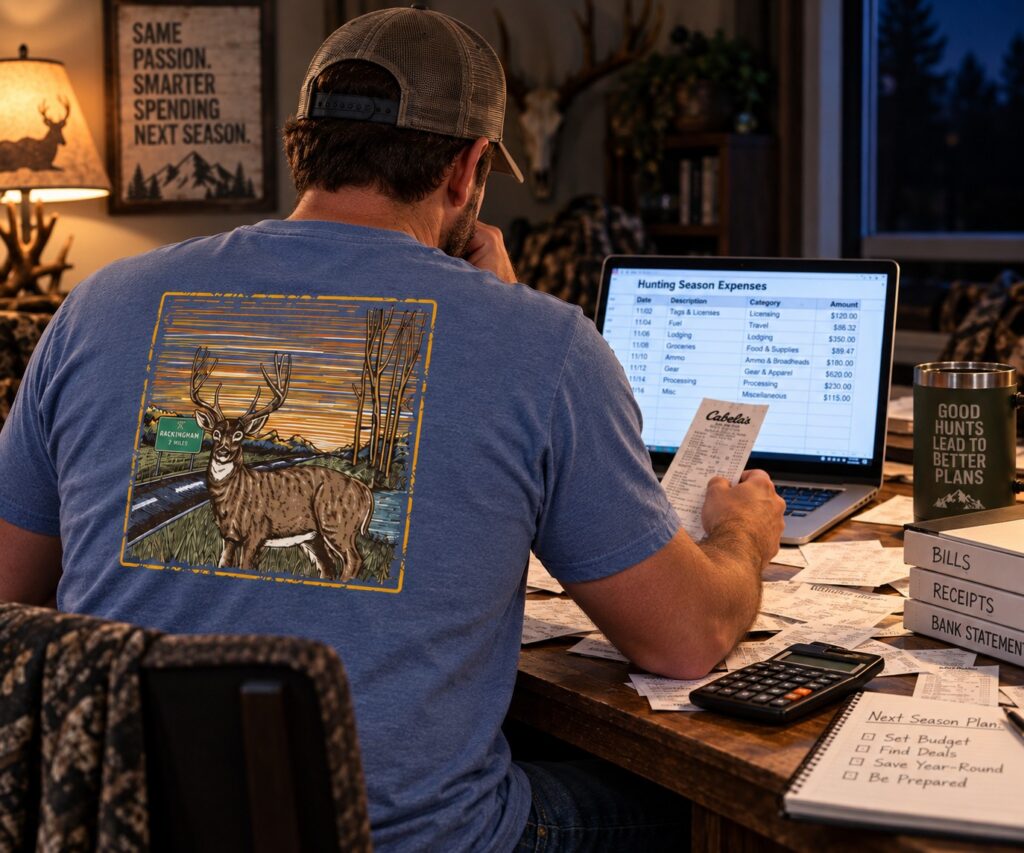
The first step in recovery is taking an honest inventory of your spending (avoid guessing or estimating). Sit down with your bank statements, receipts, and online portals and record every single expense incurred over the season. To be honest, staring at those numbers under the harsh glow of the laptop screen at midnight is never fun, but it is necessary.
Categorize your spending into standard groups:
- Gear and Apparel: Boots, cold-weather clothing, optics, safety gear, and ammunition.
- Travel and Logistics: Fuel, vehicle maintenance, lodging, permits, and tags.
- Processing and Storage: Meat processing, taxidermy, specialized storage, and freezing equipment.
- Miscellaneous: Meals on the road, emergency gear fixes, and extra licenses and tags.
Seeing the full number can feel overwhelming. But clarity gives you control. Knowing your total debt or depleted savings figure gives you a concrete target for recovery. And that’s the whole point.
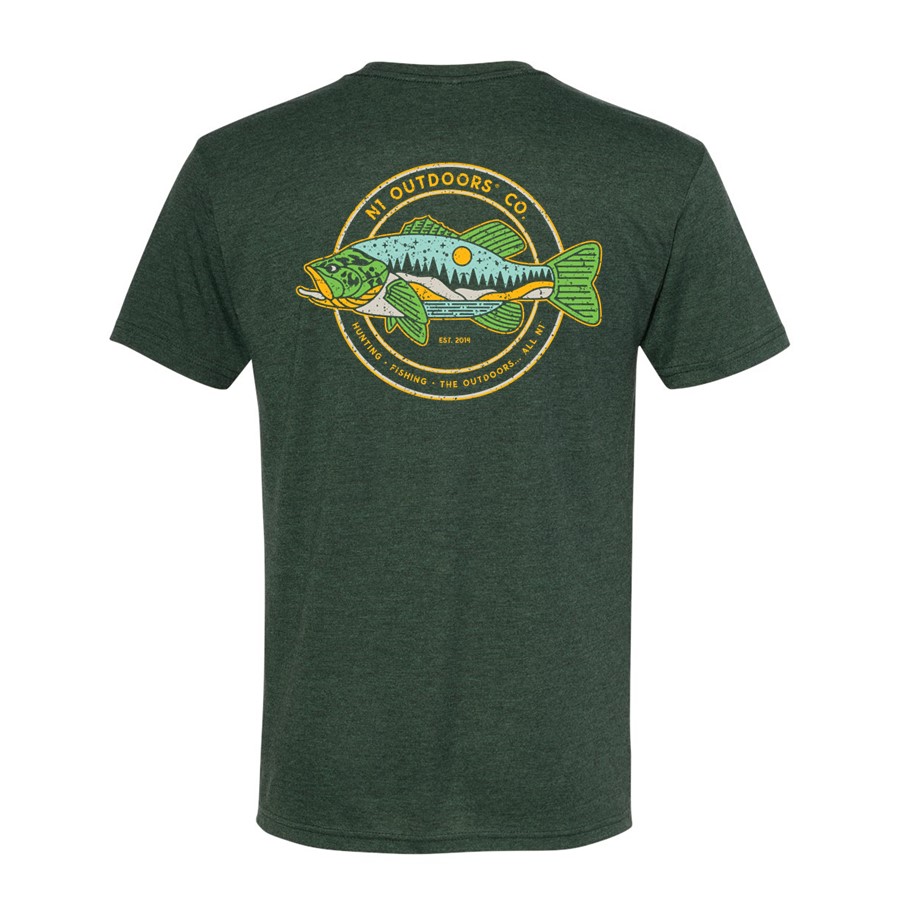
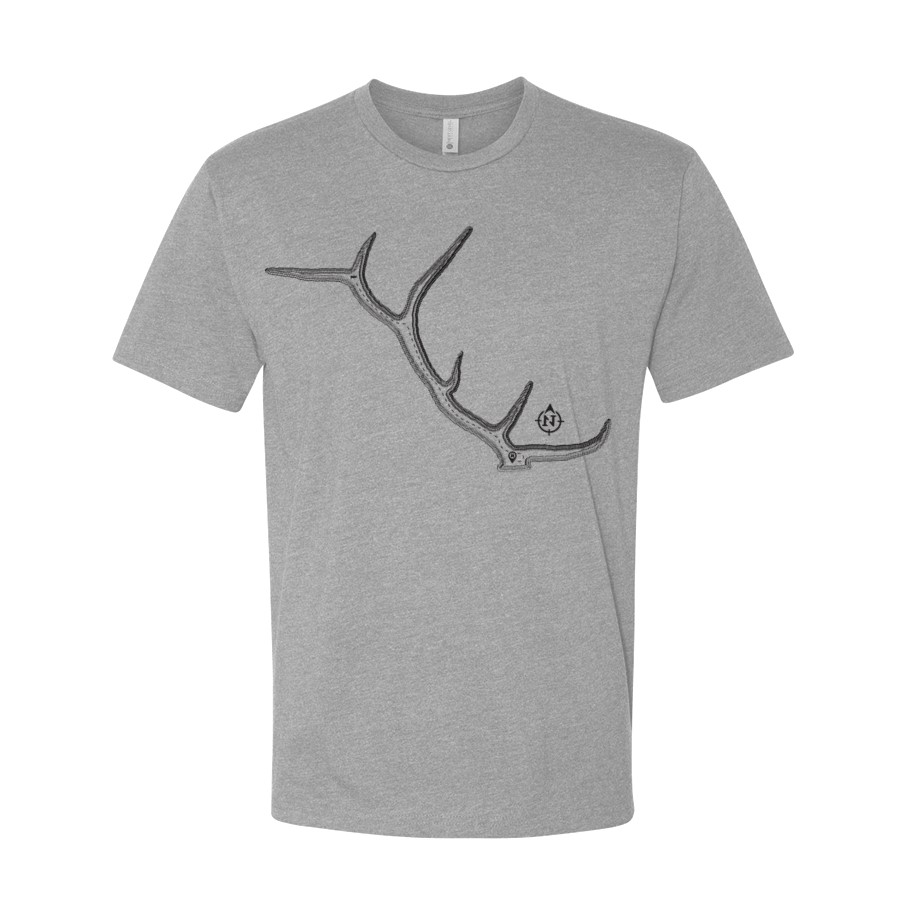
Deer hunting tees to last you multiple hunting seasons!
-
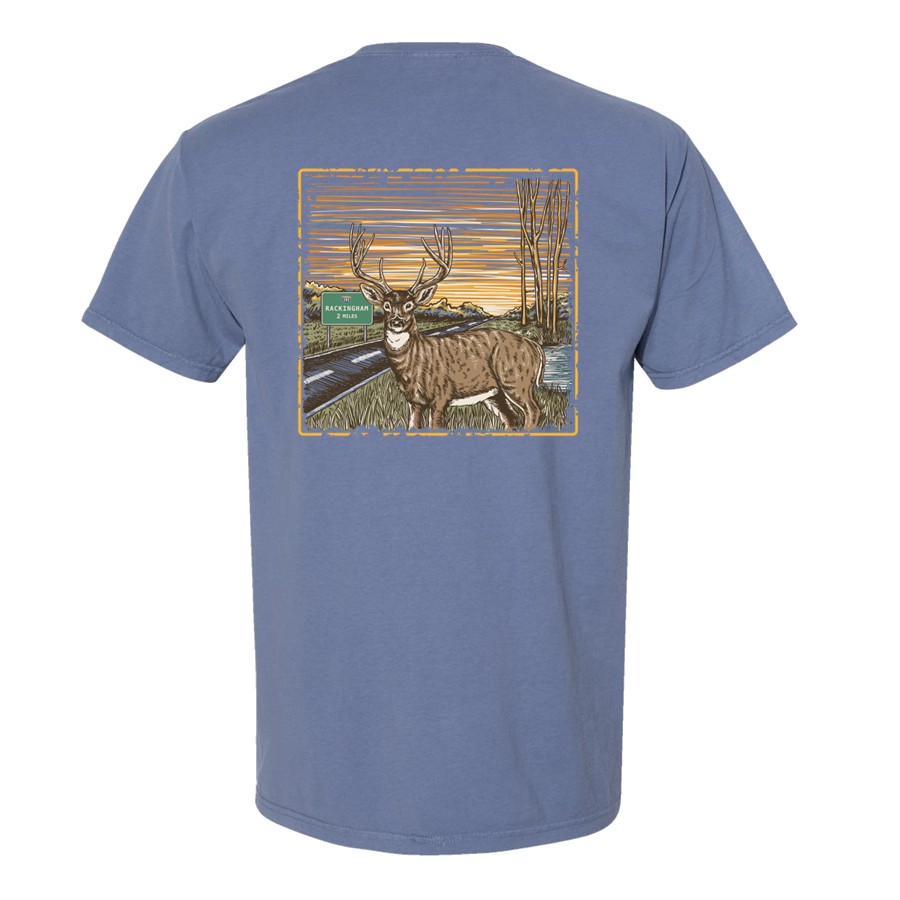
The N1 Outdoors® “Rackingham™” Whitetail Tee
$12.00 -

N1 Outdoors® “USA Antler” Tee
Price range: $24.99 through $28.99 -
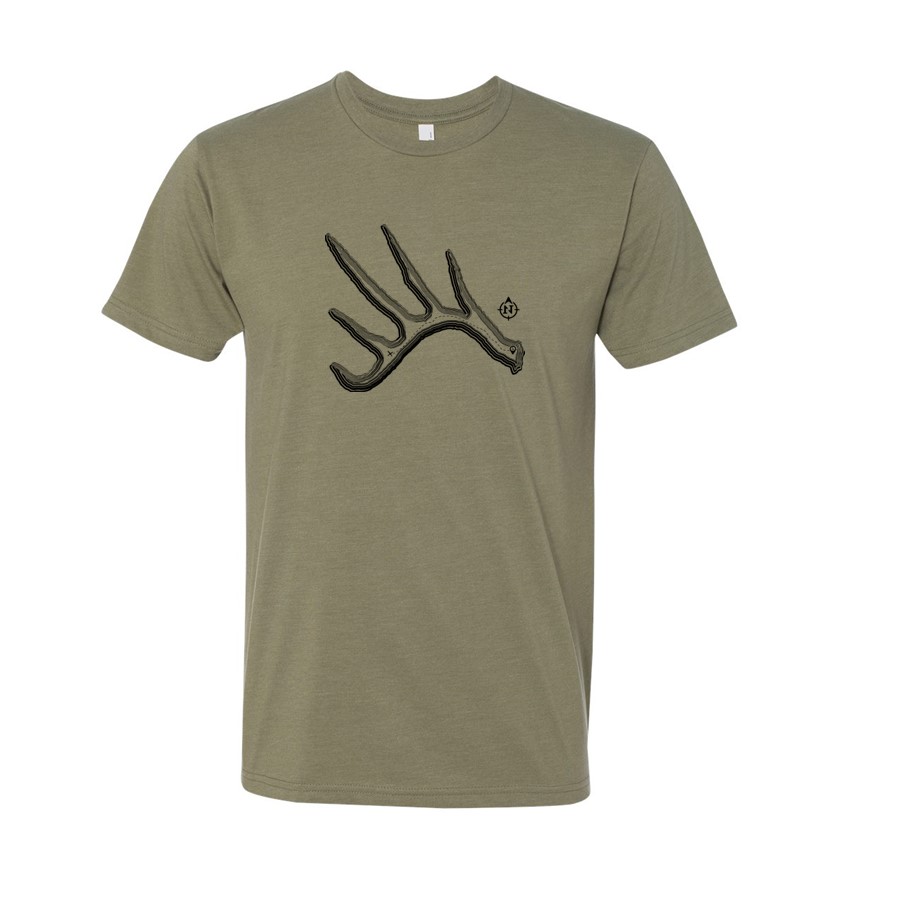
N1 Outdoors® Tine Lines™ Whitetail Deer Antler Tee
Price range: $26.99 through $29.99
Prioritizing High-Interest Expenses
If you funded your hunting trips using credit cards, carrying high-interest debt into the winter months can quickly compound your financial strain. High interest rates eat up money that could otherwise build your savings or go toward daily living expenses.
Have you listed out your balances by interest rate yet?
Focus on paying down high-interest credit cards while keeping up with at least the minimum payments on lower-interest balances. Now, if you’re facing a harsh reality that you’ve run up multiple debts, and figuring out how to navigate them all, maybe combining them makes sense. Tools like a loan consolidation calculator can help you evaluate options for combining debt into a single payment with a lower interest rate.
Simplifying your payment structure helps reduce stress and lower overall monthly costs, letting you pay down remaining debt much faster.
Adjusting Your Winter Budget
We have all felt that post-holiday, post-season budget pinch before. Once you know what you owe, build a temporary winter recovery budget. The goal during the post-season months is to free up extra cash flow so you can restore your finances.
Look for flexible spending categories where you can temporarily reduce expenses:
- Dining Out: Shift toward home-cooked meals and meal prepping (hopefully, you have meat in the freezer from a successful hunting season! More about that further down…)
- Subscriptions: Pause streaming services or unused gym memberships during the colder months.
- Discretionary Purchases: Put a temporary hold on purchasing non-essential items, including off-season sales.
And that small shift makes a real difference. Redirect the savings from these small budget adjustments directly toward your debt payoff or savings replacement plan.
Leveraging Your Harvest
One overlooked financial benefit of a successful hunting season sits directly in your freezer. Wild game meat is a clean, nutritious source of protein that can significantly cut your grocery bills throughout winter and spring.
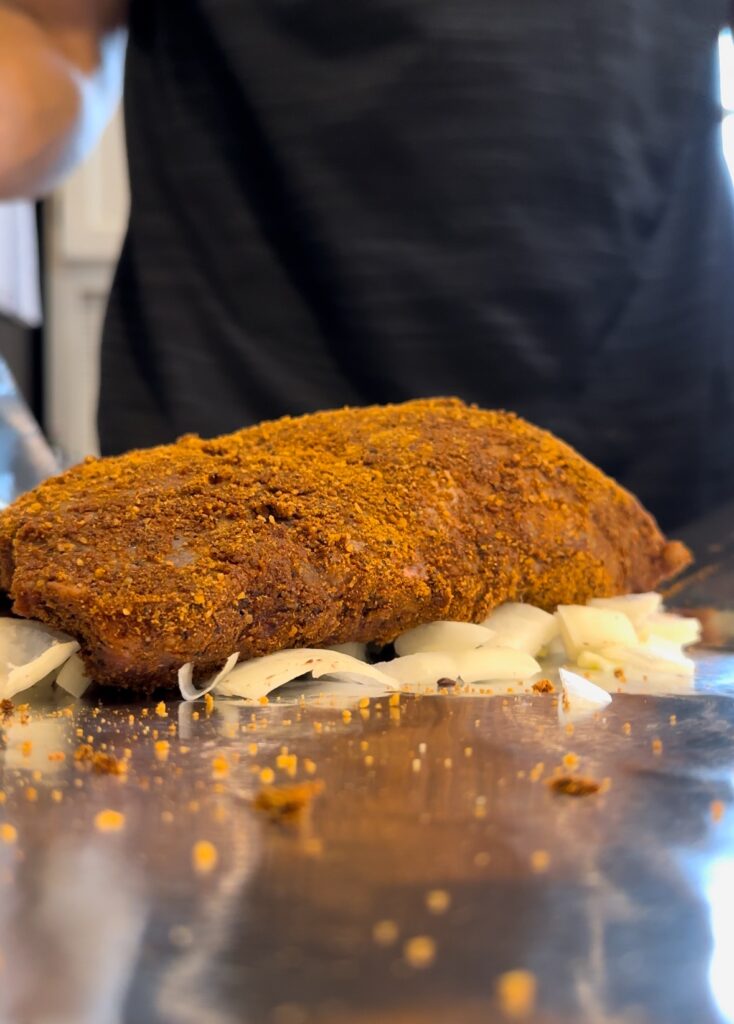
Incorporate your harvest into weekly meal planning. Using high-quality venison, elk, or game birds in place of store-bought beef and chicken can trim hundreds of dollars off your monthly food budget. These savings provide direct support to your financial recovery plan. Plus, it feels good knowing those long mornings paid off.
Maintenance and Off-Season Care
Proper maintenance of gear protects your financial investments. High-end boots, firearms, bows, optics, and clothing degrade rapidly if stored improperly. And, as fun as it can be to buy new gear, the idea is to keep from overspending on gear that could have lasted longer if properly cared for.
Take time after the season to thoroughly clean, repair, and store your equipment:
- Clean and oil firearms and bow components to prevent rust.
- Wash technical clothing according to manufacturer guidelines and apply waterproofing treatments if necessary.
- Condition leather boots and dry out footbeds completely before storage.
- Remove batteries from electronics like trail cameras, headlamps, and rangefinders to avoid corrosion.
Proper gear care ensures you won’t need to buy replacement equipment next year, keeping future seasonal expenses significantly lower. Take care of your gear, and it takes care of you.
Building a Dedicated Hunting Fund
Do you treat your hunting trips as a major seasonal surprise, or as an ongoing budget item? If you’ve just been spending without a plan, changing that perspective changes everything. To prevent financial stress from recurring next year, establish a dedicated savings plan for future hunting seasons.
Calculate your overall expenses from this past season. Divide that total by twelve to determine your baseline monthly savings goal per month. Open a separate high-yield savings account dedicated solely to outdoor recreation.
Automate monthly transfers into this account. By the time opening day arrives next year, your travel, tags, and gear upgrades will be fully funded in cash, keeping your standard budget intact. Now, doesn’t that sound a whole lot better than post-hunting debt heartburn?

Evaluating Unnecessary Upgrades
Part of post-season recovery also involves evaluating your purchasing habits. Reflect on the gear you bought before or during the season.
Now, ask yourself:
- Did every piece of equipment prove necessary?
- Which purchases delivered genuine utility versus impulsive interest?
- Could older equipment have served the exact same purpose?
Outdoor marketing often creates a sense of urgency around buying new gear. But developing a critical mindset regarding essential gear versus optional upgrades keeps your wallet healthy while keeping your focus on functionality. After all, half the stuff in the catalog isn’t going to make us better woodsmen anyway.
Rebuilding Emergency Savings
If you dipped into your emergency fund to pay for seasonal costs, rebuilding that safety net should take top priority once high-interest debts are cleared.
An emergency fund protects you against unexpected car repairs, medical bills, or home maintenance. Returning your liquid savings to a comfortable level, typically three to six months of basic living costs, ensures overall stability before you plan your next dream hunting trip.
Moving Forward with Confidence
Enjoying the outdoors should bring fulfillment without leaving a trail of financial stress. By confronting your seasonal spending, streamlining high-interest debts, adjusting your winter budget, and planning ahead for next year, you regain total financial control.
Smart financial recovery isn’t about giving up your passion for hunting. It’s about creating sustainable habits that let you pursue outdoor traditions year after year with total peace of mind.